
















New Ryan Murphy Series Reimagines a Tragic Love: carolyn bessette kennedy at the Center of 'Love Story'

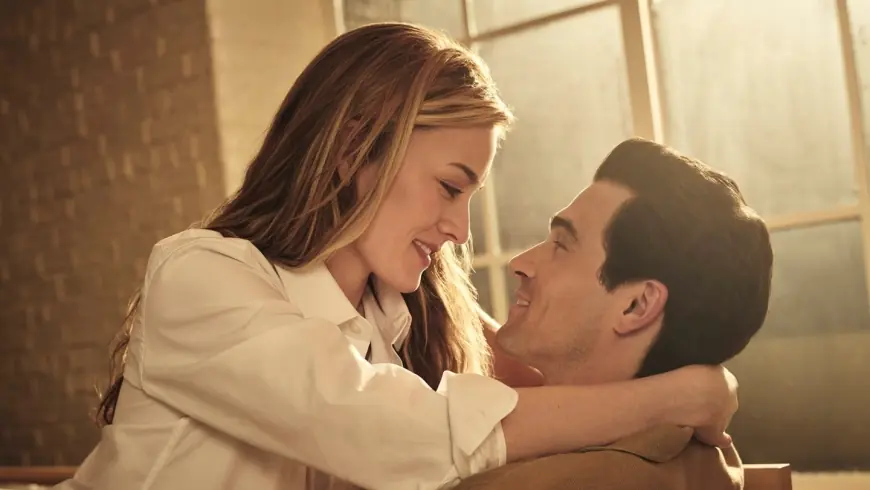
Ryan Murphy’s latest anthology opens with a familiar heartbreak and seeks to retrace the romance that mesmerized 1990s America. The first installment, titled Love Story: John F. Kennedy Jr. & Carolyn Bessette, dramatizes the courtship, marriage and untimely deaths of John F. Kennedy Jr. and carolyn bessette kennedy — a narrative that has already provoked strong reactions over casting, costume choices and the ethics of dramatizing real grief.
Framing the romance and the tragedy
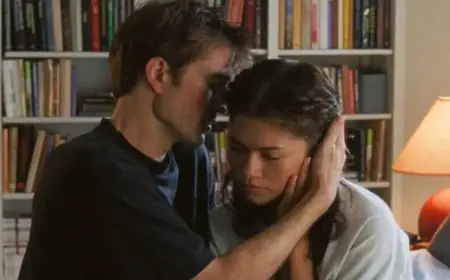
The series begins with the couple’s final moments before leaping back to the early 1990s, mapping how a media-obsessed world collided with a private relationship. The creators lean heavily on the cultural shorthand that made Kennedy and Bessette fixtures of tabloid fascination: he as the public-born scion and former "Sexiest Man Alive, " she as the low-profile fashion insider whose pared-back style became widely emulated.
Rather than a conventional biopic, the show treats the couple’s story as both love story and elegy. A prologue recreates the day the aircraft left for the Kennedy family wedding in Cape Cod and then unfolds through flashbacks, aiming to show how an intensely watched life was lived — and how that attention compounded the couple’s pressures. Costume and production choices underscore Bessette’s signature minimalism, while scenes of Manhattan in the 1990s conjure the era’s media and society rituals that both elevated and exhausted its subjects.
Casting choices, early backlash and the team’s response
Casting drove much of the early conversation. Sarah Pidgeon portrays carolyn bessette kennedy, and Paul Anthony Kelly takes on the role of John F. Kennedy Jr. The search for the right JFK Jr. was exhaustive, with casting directors reviewing a large pool of performers to capture his particular presence; producers say the search even extended to scouting people who physically evoked him in public.
Pidgeon’s performance and the production’s visual approach attracted immediate scrutiny online. Observers focused on hair color, wardrobe and other details, arguing the show’s aesthetic either missed or misinterpreted Bessette’s carefully curated simplicity. Creators framed the pushback as an extension of Bessette’s own life story — a person who suddenly found herself subject to relentless public commentary — and used early criticism to refine aspects of the production.
Beyond stylistic debate, the series has confronted more pointed objections from within the extended family. A family member publicly criticized the decision to dramatize these lives, calling out the project as an exploitative venture. The creative team has defended its work, emphasizing a desire to honor both figures and to approach the material with respect for the complexity of their lives and their loss.
Balancing dramatization with sensitivity
Love Story adapts material drawn from a recent biography of Bessette, and the show’s creators say their aim is to explore intimacy under public pressure rather than to sensationalize tragedy. That intention is visible in quieter sequences that emphasize relationship dynamics and in scenes that attempt to show the daily realities behind celebrity headlines.
Still, the project raises recurring questions about dramatizing recent bereavement: who gets to tell a family’s story, and how should portrayals reckon with real survivors and their feelings? The series’ opening week has made clear that public interest in the Kennedys remains intense and often contested. For viewers, the show will be a test of whether dramatization can illuminate private truth without revisiting public pain for its own sake.
As Love Story unfolds, audiences and family members will continue to measure the series on two counts: the fidelity and nuance of its portraits, and the degree to which it treats its subjects with the dignity their lives and losses demand.