
















Aftermath of tony clark's Exit Spurs Contentious Search for MLBPA Successor

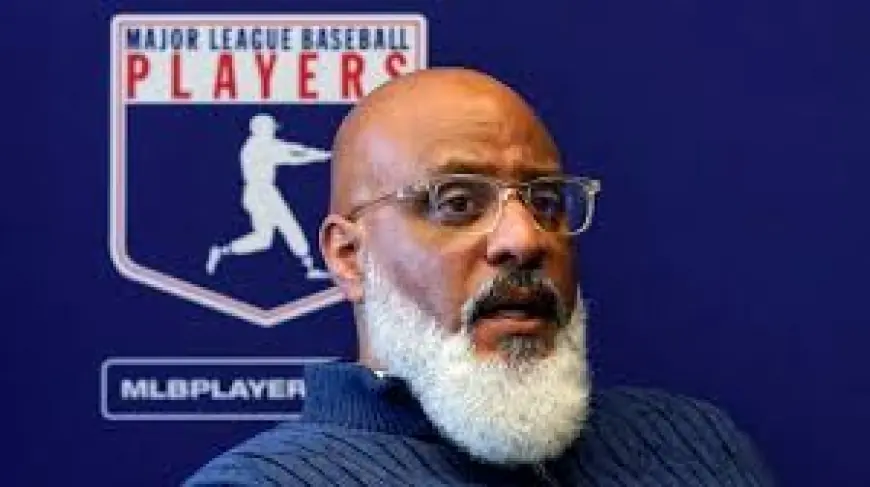
Tony Clark's abrupt resignation as executive director of the players' union has opened a fast-moving contest over who will steer the organization through the remainder of the collective bargaining cycle. With internal meetings called Wednesday morning (ET) and a range of candidates already under discussion, the union faces a test of unity and process as it weighs interim leadership and the path to a permanent replacement.
Power struggle over interim leadership
Deputy executive director Bruce Meyer has emerged as a front-runner to take the helm on an interim basis, but the choice is far from settled. The union's executive board paused short of making an immediate appointment after a conference call convened by an eight-player executive subcommittee and club representatives. That hesitation underscores divisions among players and agents about whether the union should elevate Meyer now or conduct a broader search.
Some players and agents argue that the collective bargaining agreement does not expire until Dec. 1 (ET) and that there is sufficient time to vet candidates more fully. Critics of a rapid promotion warn that Meyer is a polarizing figure: admired by some for his tough negotiating posture and criticized by others for lacking broader charisma and consensus-building skills. Meyer, who joined the union staff in August 2018 to bolster its negotiating arm, declined to say publicly whether he wants the top job when asked during spring training activities.
Who’s being considered — and why it matters
Beyond Meyer, names under discussion include the union's general counsel, Matt Nussbaum, and former long-serving executive director Don Fehr. Several former players who have been active in union matters are also drawing attention, including Daniel Murphy and Andrew Miller. Those being considered offer different mixes of legal expertise, institutional knowledge and player trust — qualities that will matter as the union prepares for future bargaining and potential legal challenges.
Influence from powerful player representatives and prominent agents is already shaping the conversation. Some agents are lobbying for alternatives to Meyer, concerned that a quick elevation would concentrate influence in ways that not all players support. At least one high-profile agent has publicly expressed support for Meyer, stressing continuity in the union's bargaining preparation and the value of experienced legal counsel within the organization.
Complicating the selection is the backdrop to Clark's departure. The resignation followed an internal inquiry that found an inappropriate relationship between Clark and a union employee. That revelation precipitated a four-day whirlwind that culminated in Clark stepping down and prompted immediate questions about governance, workplace conduct and internal oversight within the union.
What unfolds next
Several teams called meetings Wednesday morning (ET) to discuss representation and potential votes later in the day, an indication of how quickly the issue has mobilized the membership. The union's immediate priorities include stabilizing leadership, assuring members that bargaining preparation will continue uninterrupted and setting a transparent process for selecting an interim leader and, eventually, a permanent executive director.
For players, the choice of successor will be consequential not just for day-to-day operations but for the tenor of negotiations with club owners and for how the union manages internal governance and trust. With the CBA in place through Dec. 1 (ET), there is structural breathing room — yet the political pressure and public scrutiny created by the sudden resignation mean leaders will need to move thoughtfully and decisively to restore confidence.
The coming days are likely to feature more private caucuses among player representatives, renewed lobbying by agents and a careful weighing of whether the union should prioritize continuity or a broader search for a new leader who can unite a divided membership.