























ramadan mubarak: Saudi observatories confirm start of Ramadan 2026

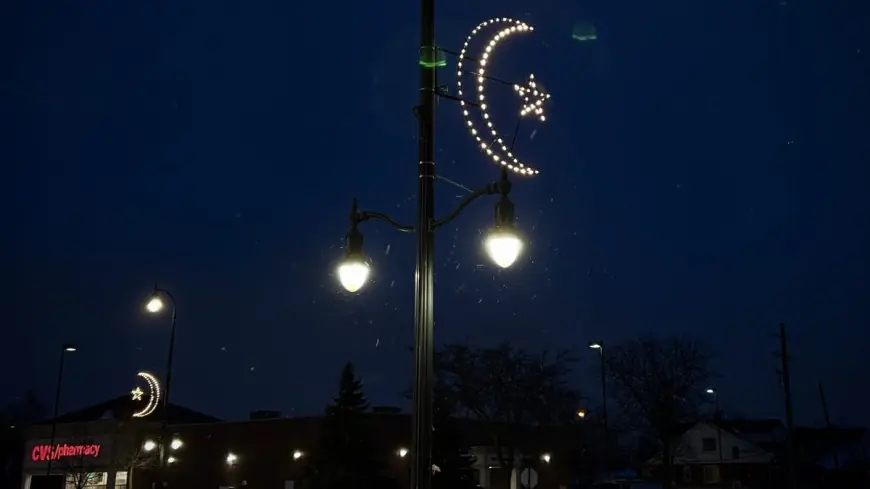
Moon spotters in Saudi Arabia verified the waxing crescent on Tuesday night, Feb. 17, 2026, meaning Ramadan begins at sundown that day (ET). The first full day of fasting for many Muslims will be Wednesday, Feb. 18, 2026 (ET). With nearly 2 billion people observing worldwide, communities are preparing for a month of fasting, prayer and charity.
When Ramadan begins and how the date is set
The Islamic calendar is lunar, so months begin with the sighting of the thin waxing crescent that follows a new moon. While astronomical estimates provide likely windows, confirmation commonly hinges on an actual sighting by trained observers. This year, the crescent was confirmed on the night of Feb. 17, 2026 (ET), establishing Ramadan’s start at sundown that evening and setting the first day of fasting on Feb. 18 for many communities.
Because the lunar year is about 11 days shorter than the solar year, Ramadan shifts earlier each Gregorian year. That movement also affects fasting length: in many parts of the Northern Hemisphere, fasting hours will be shorter this year—roughly 12 to 13 hours on the first day—while locations in the Southern Hemisphere will see longer fasts, often 14 to 15 hours. Across the globe, dawn-to-dusk fasts typically range from about 11. 5 to 15. 5 hours depending on latitude and date.
What observant Muslims do during Ramadan
Ramadan is the ninth month of the Islamic calendar and marks the revelation of the Quran to the Prophet Muhammad. Observant Muslims rise before dawn for a pre-fast meal called suhoor, then abstain from food, drink, smoking and sexual relations from dawn until sunset. The daily fast is broken at sunset with iftar, the evening meal shared with family and community. Evenings are often filled with extra prayers, reflection on the Quran and communal worship, including nightly prayers known as Taraweeh.
The month emphasizes spiritual renewal, self-discipline and compassion for those in need. Many communities increase charitable giving and volunteer efforts during these weeks, and friends and family commonly exchange greetings such as "Ramadan Mubarak, " meaning "blessed Ramadan. " Non-Muslims are frequently invited to participate in iftar gatherings and community activities, underscoring the social as well as spiritual aspects of the month.
Exemptions, makeup fasts and Eid timing
Fasting is obligatory for healthy adult Muslims, but exemptions exist for those who would be harmed by fasting: the sick, travelers, pregnant and breastfeeding people, young children and the elderly who cannot safely fast. Those who miss fasts for a temporary reason are generally expected to make them up after Ramadan. Individuals unable to make up missed fasts because of ongoing illness or other lasting hardship may offer a fidya, a charitable donation that provides meals for people in need in lieu of each missed fast.
Ramadan lasts 29 or 30 days, again depending on moon sightings. The end of the month is marked by the festival of Eid al-Fitr. This year, Eid is likely to begin on the night of March 18, 2026 (ET), with community prayers and celebrations in the morning of March 19. Typical Eid observances include communal prayer, festive meals, new clothing and acts of charitable giving.
With the start now confirmed, Muslim communities worldwide are finalizing schedules for prayer, charity drives, and iftar gatherings. For observers and neighbors alike, the next few weeks will feature a rhythm of dawn meals, daytime restraint and evening fellowship centered on reflection, generosity and community bonds.