


















Macron-Modi Talks in bombay Spotlight Rafale Deal, Local Manufacturing Push

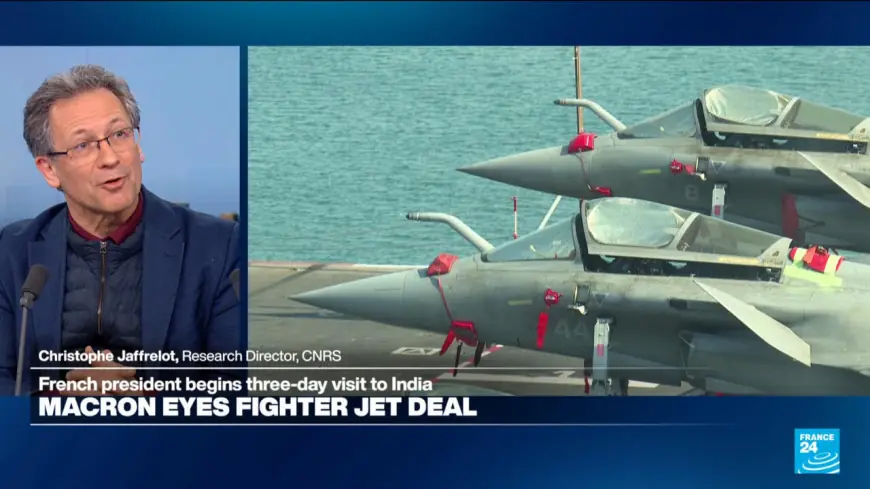
On Feb. 17, 2026 (ET), French President Emmanuel Macron met with India’s leadership in bombay for a high-stakes bilateral summit that pushed defence procurement, industrialisation and technology cooperation to the fore. The visit underlined a broader effort to deepen strategic ties while expanding local manufacturing in India’s defence sector.
Rafale talks intensify as India presses for higher local content
The Rafale fighter-jet portfolio was a central item on the agenda. India’s defence leadership made clear it wants a larger share of India-made components in any fresh Rafale deal, signalling a push to convert procurement into domestic industrial growth. Discussions included the prospect of a substantial follow-on order that could reach triple digits, with negotiation focus split between platform acquisition and the terms for technology transfer and in-country production.
For New Delhi, higher local content in defence contracts is not merely about jobs; it is positioned as a strategic objective to strengthen supply chains and reduce long-term dependence on foreign suppliers. French representatives framed expanded industrial collaboration as a way to secure a durable presence in the Indo-Pacific while meeting India’s ambitions to build sovereign defence manufacturing capacity.
New assembly line and broader economic-technology ties
Leaders used the visit to inaugurate activity that bridges defence production and private-sector manufacturing. A final assembly line for H125 helicopters—created through a joint venture between an Indian private defence firm and a European manufacturer—was virtually opened during the meetings. The facility in Karnataka marks a milestone as the first private-sector helicopter production line in the country and is being highlighted as a template for future co-produced platforms.
Beyond hardware, the agenda encompassed cooperation in technology and energy, with talks touching on artificial intelligence collaboration and deeper commercial ties aimed at attracting foreign capital into strategic sectors. The narrative from both sides emphasized an accelerated partnership responding to shifting global dynamics and supply-chain realignment.
Strategic balancing and the Russia factor
The defence pivot toward Western suppliers carries wider geopolitical implications. Some analysts caution that as India increases procurement from Western manufacturers, it will need to manage its longstanding defence relationship with Russia. That balancing act could involve diplomatic and industrial measures to ensure continuity where legacy platforms and supplies remain important.
For France, expanding military sales and industrial partnerships in India serves dual goals: deepening strategic ties in the Indo-Pacific and securing long-term contracts tied to local production. For India, the leverage comes in turning foreign deals into domestic industrialisation wins, creating jobs, and building a sovereign maintenance and production base for key platforms.
The outcome of the bombay meetings is likely to shape procurement timetables and industrial roadmaps in the months ahead. With momentum on both sides for larger defence cooperation and private-sector manufacturing initiatives already moving from planning into production, the visit signaled that defence contracts are increasingly being negotiated as industrial partnerships rather than simple sales.
As discussions progress, attention will center on the scale of any Rafale order, the concrete commitments on technology transfer and local content, and how India will navigate its broader strategic ties while expanding its domestic defence industrial base.