























lent 2026: Ash Wednesday Arrives Amid Lunar New Year, Mardi Gras and a Rare Solar Eclipse

Communities around the world experienced an unusually packed calendar in mid-February 2026, with Lunar New Year, Mardi Gras and an annular solar eclipse falling on the same day and Lent beginning the next. The convergence created a week of overlapping religious observance, cultural celebration and a notable astronomical event.
A rare celestial and cultural convergence
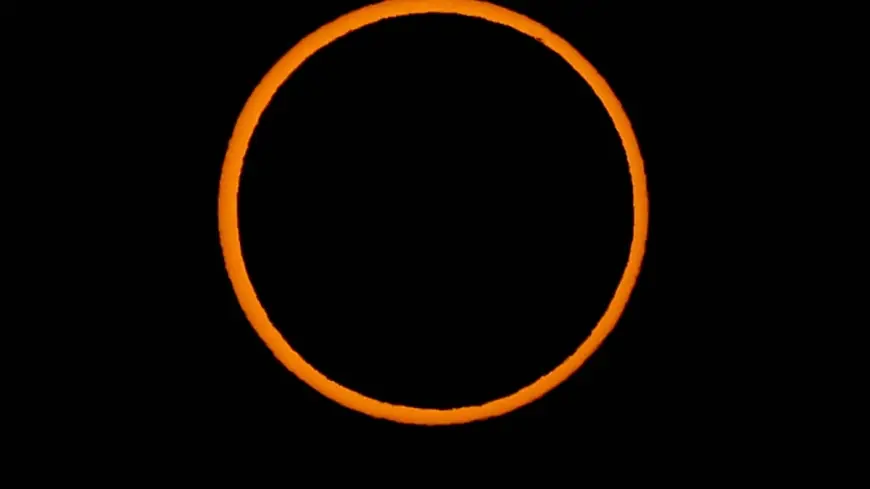
Feb. 17, 2026 was marked by an annular solar eclipse that coincided with the first day of Lunar New Year and many Mardi Gras festivities. The annular eclipse—when the moon passes between Earth and the sun but appears slightly smaller and leaves a visible “ring of fire”—was chiefly visible from high southern latitudes. Antarctica saw the greatest coverage, with much of the continent experiencing the eclipse. Madagascar registered a partial view near 20 percent coverage, while the far southern tips of South America and Africa observed only a slimmer slice of the event. The annular phase concluded that morning, ending at 9: 37 a. m. ET on Feb. 17.
For millions celebrating the Lunar New Year, the beginning of the Year of the Horse overlapped with these astronomical sights. Festivities that typically last 15 days—from neighborhood parades and lantern displays to family gatherings and ancestor remembrances—kicked off the night of the new moon and extended through the Lantern Festival in early March. In cities with deep Carnival traditions, Fat Tuesday parades, foods and street parties continued to draw crowds while communities observed Lunar New Year customs.
lent 2026: What Ash Wednesday and the season ahead mean
Lent begins on Wednesday, Feb. 18, 2026, with Ash Wednesday marking the start of a six-week season of fasting, prayer and reflection in many Christian traditions. The Lenten calendar runs toward Holy Week, with Holy Thursday on April 2 and Easter Sunday on April 5. For adherents, the season is a time for spiritual discipline and preparation for Easter.
At the same time, Ramadan—the Muslim month of fasting and spiritual renewal tied to the lunar calendar—was expected to begin either on the night of Feb. 18 or Feb. 19 depending on local moon sightings. The start date for Ramadan often varies by region, with many communities relying on the first sighting of the waxing crescent. Ramadan culminates with Eid al-Fitr, likely to fall on March 19 or 20 in 2026, again subject to moon sighting and local calendars.
Local festivals, parades and the rarity of overlap
The calendar overlap prompted a flurry of scheduled events across multiple cities. Traditional Carnival hubs in the American South held Fat Tuesday parades and gatherings on Feb. 17, while major Lunar New Year parades and festivities were planned across the country in the days that followed, including large weekend parades and cultural performances through late February and into early March.
Historically, Mardi Gras and Lunar New Year have overlapped only a handful of times in the modern era, making their coincidence in 2026 notable. Records show the two celebrations have coincided nine times since 1947, with the last occurrence in 2002. The simultaneous presence of Ramadan with both Mardi Gras and Lunar New Year is even more uncommon, underscoring just how tightly the lunar and liturgical calendars aligned this season.
For many communities, the clustering of observances created both logistical challenges and opportunities for cross-cultural engagement—places where parades, temples, mosques and churches reached diverse audiences and different traditions intersected in public celebration and reflection.
As the week moved from a spectacle in the sky to the quieter rhythms of Lent and Ramadan, millions shifted from public festivities to periods of contemplation, fasting and family observance, carrying forward traditions shaped by both celestial timing and centuries of cultural practice.