


















tony clark resignation leaves MLBPA scrambling as CBA showdown approaches

In a stunning development Tuesday morning ET, Tony Clark resigned as executive director of the Major League Baseball Players Association after 12 years in the role. The sudden departure arrives with less than a year before the union’s collective bargaining agreement expires on Dec. 1, leaving player leadership hurriedly reorganizing as high-stakes negotiations loom.
Immediate fallout: leadership vacuum at a critical time
The resignation prompted an emergency call among union officials, the eight-player executive subcommittee and the 30 team player representatives on Tuesday afternoon ET. That meeting concluded without a vote on an interim executive director, but officials signaled a decision could come as soon as Wednesday. With bargaining set to begin in earnest this winter, the union now faces the immediate task of naming temporary leadership that can command credibility at the table.
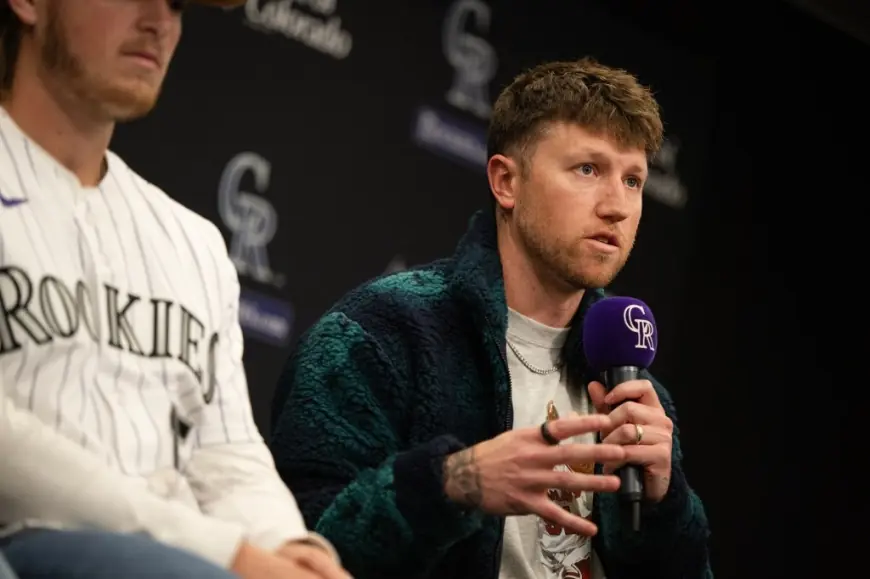
Players expressed shock and uncertainty. Marcus Semien, a member of the executive subcommittee, said he was still processing the news and emphasized the need for leadership that is focused on player priorities heading into the next round of bargaining. Newer player representatives, including those recently appointed at their clubs, will be thrust into high-pressure roles as the union prepares strategy and negotiators recalibrate timelines and agendas.
Allegations and investigations deepen the crisis
Union officials have cited findings from an internal probe that an inappropriate relationship occurred between Clark and a relative who was also employed by the union. That revelation was accompanied by ongoing inquiries into alleged financial improprieties tied to union-funded initiatives and business partnerships.
A 2025 review found that a youth-baseball organization known as Players Way received more than $3 million in funding from the union over a five-year span but failed to run a corresponding slate of programs. Allegations tied to the program suggest funds may have been used to benefit individuals close to leadership. Separately, probes involving a sports-licensing company in which the union held equity raise questions about potential improper self-enrichment through licensing deals and equity arrangements.
Federal investigators in the Eastern District of New York have been examining the union’s financial dealings, adding a legal dimension to a crisis that had already eroded trust among some members. The combination of personal misconduct findings and alleged financial mismanagement has transformed a personnel change into a governance emergency.
What this means for the coming labor fight
The timing could not be worse for the union. Owners are widely expected to press for major concessions in the next round of negotiations, including proposals that could resemble a salary cap. Player leaders will need unified messaging and strong negotiating mechanics to counter such proposals, and any leadership gap or internal discord weakens the union’s leverage.
Clark’s tenure included moments of both praise and criticism; some players faulted past bargaining outcomes as too conciliatory, and earlier efforts to replace senior negotiating staff exposed divisions within the player leadership ranks. Those tensions are now likely to resurface as a new interim structure is evaluated and player reps settle into the work of preparing for bargaining.
For now, the union intends to move quickly to stabilize operations. The priority for many players is to ensure an orderly transition and to have trusted figures in place who can guide bargaining prep, respond to inquiries, and restore confidence among the membership. With the CBA expiration fixed on Dec. 1, the clock is ticking and the next steps the union takes in the coming days will shape its readiness for what promises to be a contentious winter of labor negotiations.