




















ramadan events across north-west England kick off as holy month nears

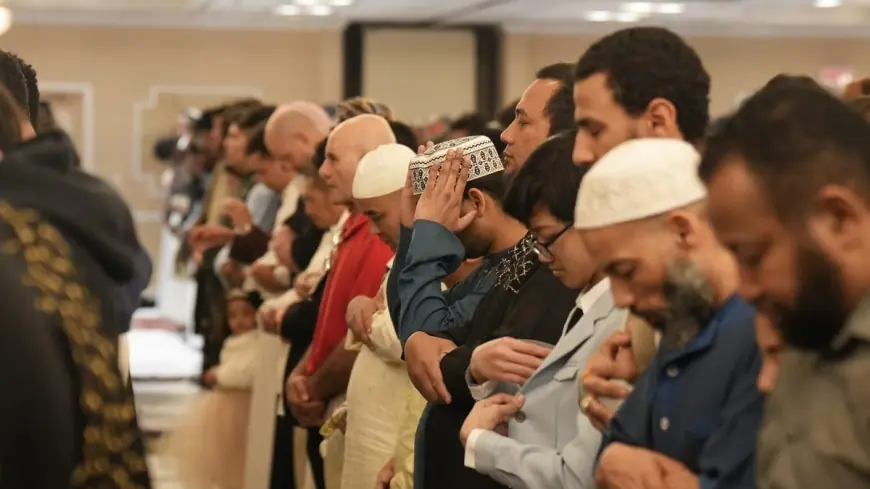
The Islamic holy month of ramadan is due to begin in mid-February 2026, and communities across north-west England are preparing a full calendar of prayers, communal meals and charity activities. Local mosques and groups are staging events aimed at welcoming the month and supporting families who will fast from dawn to sunset.
Dates, timings and the moon sighting
Estimates place the start of ramadan between Tuesday, February 17 and Thursday, February 19, 2026 (ET), with the exact date depending on local moon sighting practices. The month lasts 29 or 30 days and concludes with the festival of Eid al-Fitr, expected in mid- to late March 2026 (ET) once the new moon is confirmed. Community leaders note the variation in start dates across different communities reflects long-standing traditions for declaring the new lunar month.
What to expect across north-west England
Mosques across the region are scheduling special nightly prayers, communal iftars to break the fast and food distribution drives aimed at supporting families in need. Community centres in Greater Manchester, Lancashire and the Liverpool City Region plan interfaith open evenings and public iftars that aim to foster understanding while providing a practical setting for shared meals. Volunteers will also collect and distribute food parcels and offer extra support for those who may struggle with the demands of the month.
Demographic figures underline the scale of activity: there are roughly 560, 000 Muslims living in north-west England, making up about 12% of Greater Manchester's population and around 8% of Lancashire. In the Liverpool City Region, Muslim residents account for about 2% of the population, while figures are lower in Cheshire and Cumbria. These communities are organising a mix of large mosque-led events and smaller, grassroots gatherings in neighbourhood halls and schools.
Fasting, exemptions and community practice
During ramadan many adult Muslims fast from pre-dawn until sunset, abstaining from food, drink and other activities that break the fast. Before dawn, participants share a pre-fast meal; after sunset, families and friends gather for iftar to break the fast together. Mosques will hold additional nightly prayers and spiritual programmes throughout the month to support worship and reflection.
Not everyone is required to fast: exemptions exist for those who are unwell, travelling, elderly, pregnant, breastfeeding or menstruating. Where possible, those who miss fasts for valid reasons are encouraged to make them up at a later date or to provide charity in place of fasting if they cannot complete the fasts. Local groups will often provide guidance and support for people with health concerns, and several community clinics and helplines will share practical advice on maintaining well-being while fasting.
Organisers emphasise that ramadan is not only a time for abstaining from food and drink but also a period of heightened charity, community service and spiritual reflection. Events across north-west England are being tailored to meet that spirit: from volunteer-led iftars and foodbanks to intergenerational outreach and quiet prayer sessions for those seeking a more contemplative experience.