






















'A sad day' - winter olympics curling cheating row unsettles Canadians

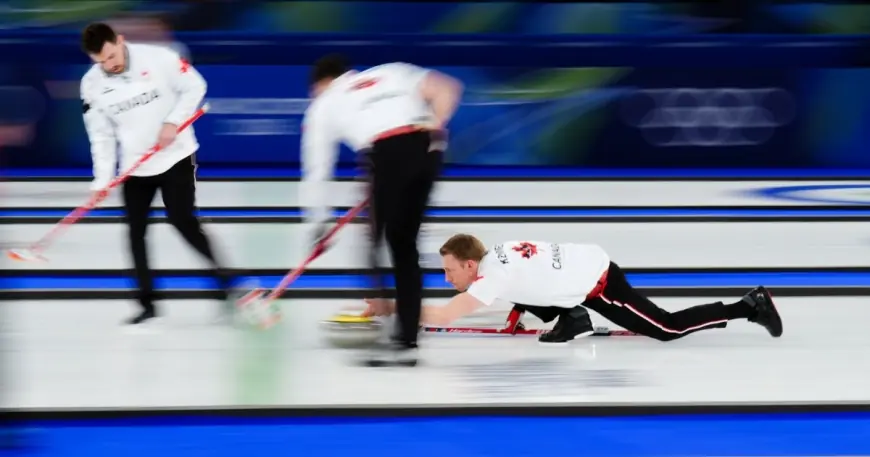
The Winter Games have been jolted by a curling controversy that has left Canada's teams defending their conduct and many Canadians uncomfortable with a crack in the country's polite image. Over the weekend, an on-ice confrontation and subsequent allegation of a rule breach set off a storm of debate about sportsmanship, national identity and how officials should handle contentious moments in real time.
What happened on the ice
The dispute began on Friday (ET) when a Swedish player accused Canadian skip Marc Kennedy of "double-touching" — touching the stone a second time after release. A video clip circulated widely that appeared to show Kennedy pushing the rock with his finger after the delivery, and the exchange between Kennedy and the Swedish player included expletives that captured attention beyond the sport's usual following.
Kennedy defended himself, saying he "probably could have handled it better" and that he would not apologise for defending his teammates. "I've curled my whole life, never once with the intention of getting an advantage through cheating, " he said. The governing body issued a verbal warning over Kennedy's language, but did not levy a formal cheating charge.
The controversy deepened the following day when the women's team captain Rachel Homan faced the same accusation. Homan has denied any intentional rule-breaking, and Canadian teams have pushed back against suggestions they sought to gain illicit advantage by repeated contact with the stone.
Public reaction and questions of sportsmanship
The episode has resonated strongly in Canada, where sport and national identity are often linked to notions of fairness and civility. Spectators and locals in Montreal voiced dismay at the spectacle. "It's a sad day for Canadian sport, " said Tim Gray from Alberta. "Integrity in the sport is important, even if you have to call it on yourself. "
Others expressed a sense of betrayal. "As Canadians, we aren't supposed to do these things, " said Samar from Ontario, while Dwayne from British Columbia warned that without sportsmanship "it's not sport any more. " Those reactions underline how conduct in a niche winter sport can quickly become a national conversation when played out on the Olympic stage.
There were more measured takes from within the curling community. At the Royal Montreal Curling Club, instructor Ankara Leonard suggested the attention could be constructive by drawing new eyes to the sport. "Do I think [Kennedy's] finger affects the rock? No I do not. Do I think we have to play within the rules? Yes, " she said, capturing the split between scepticism about the alleged action's impact and a firm stance on rule compliance.
Governing body response and potential fallout
Officials have so far taken limited disciplinary action: a warning for foul language but no formal cheating penalty. That approach has frustrated some fans who believe a clearer resolution is needed to settle the debate and preserve the sport's integrity. Others argue that policing split-second contact without clear evidence risks turning every close call into a controversy.
For the Canadian teams, the immediate task is damage control — defending players' reputations while competing under heightened scrutiny. For the sport, organisers face a longer-term question about how best to adjudicate marginal incidents in a way that is seen as fair and transparent by competitors and the viewing public alike.
Whatever comes next, the episode has already altered the narrative around curling at these Games. What might once have been a terse on-ice spat now poses an image problem for a nation that prides itself on sportsmanship, and has sparked a broader debate about where the line should be drawn between aggressive tactics and outright rule-breaking.