





















How to Wish Someone a Happy Ramadan — ramadan 2026 guidance


The holy month arrives again in early 2026, bringing a period of fasting, prayer and reflection for Muslim communities worldwide. Here’s a concise guide to when Ramadan is expected to fall in 2026, what it involves and the courteous ways to offer greetings and support to those observing the fast.
When Ramadan 2026 begins and why the date can shift
In 2026, Ramadan is expected to begin on the evening of Wednesday, February 18, 2026 (ET), moving into Thursday, February 19, 2026 (ET). The exact start is determined by the sighting of the new crescent moon, which typically appears one night after the astronomical new moon. Local mosques and moon-sighting committees announce the start of the month in many communities, so dates may vary by a day or two depending on regional observations.
Ramadan is the ninth month of the Islamic lunar calendar and it shifts each year by about 10 to 12 days compared with the Gregorian calendar. The month is widely regarded as the time when the Quran was first revealed, and it is observed through a mix of communal worship, private devotion and family traditions.
What to expect during the month: practices and rhythms
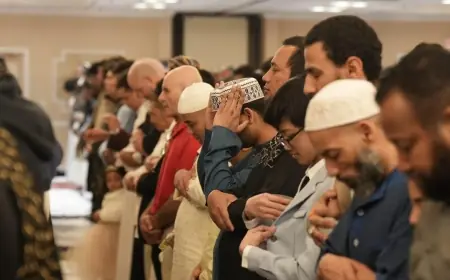
Those observing Ramadan fast from dawn until sunset. The day begins with a pre-dawn meal called suhoor and ends after sunset with iftar, the meal to break the fast. Between these times, observers refrain from food and drink, and many intensify prayer, Quranic recitation and charitable acts. Communal iftars, mosque prayers including Taraweeh, and quiet reflection are common features of the month.
Practices and customs vary widely by culture and country. Some communities decorate homes and streets, while others focus on shared meals or specific charitable projects. The daily schedule naturally shifts to accommodate early mornings and later evenings, and workplaces, schools and neighbours often adjust interaction patterns out of respect for those who are fasting.
How to wish someone a Happy Ramadan — simple, respectful greetings
The most common and widely accepted greetings are "Ramadan Mubarak" and "Ramadan Kareem. " "Ramadan Mubarak" means "Blessed Ramadan, " and is used to wish someone well for the month. "Ramadan Kareem" translates roughly as "Generous Ramadan" and is also commonly offered. In some regions, variations such as "Ramzan" are used in everyday speech.
If you want to be brief and friendly, a straightforward "Happy Ramadan" is perfectly appropriate in English. For colleagues and neighbours, a quick greeting like "Ramadan Mubarak" or "Happy Ramadan" on the first day of the month is a thoughtful gesture. Follow the lead of the person you are addressing: some prefer a simple greeting, while others appreciate a short offer of support such as "Wishing you a peaceful Ramadan" or "Happy fasting. "
When in doubt, be respectful and unobtrusive. Avoid commenting on someone’s level of observance or offering food or drink in a way that might put them in an awkward position during daylight hours. If you’re hosting or attending an iftar meal, asking about any dietary or timing preferences shows consideration.
Finally, remember cultural variations. Phrases and customs differ across regions, so a little curiosity and willingness to follow local norms will be appreciated. A sincere, well-timed greeting conveys respect and solidarity during a month that is central to many people’s spiritual life.