























winter olympics curling cheating scandal leaves Canadians reeling

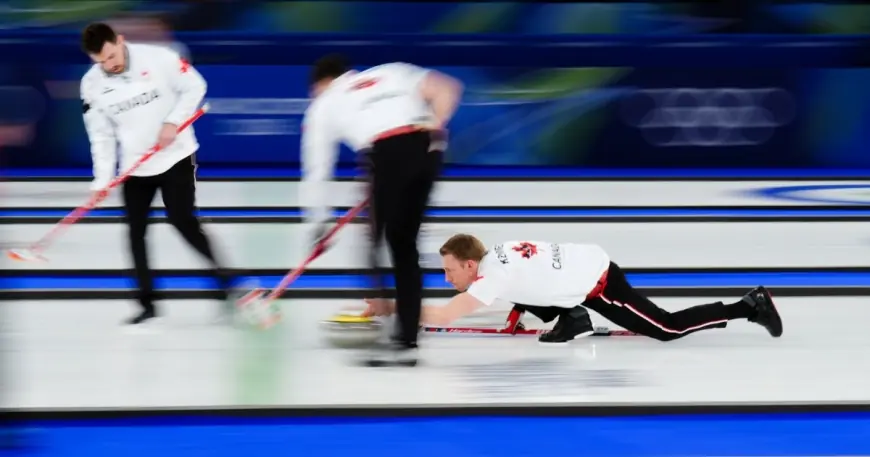
What began as an on-ice dispute has spiralled into a national conversation about sportsmanship, enforcement and national identity. Over the weekend (ET), a heated exchange during a match — and a video that circulated widely afterwards — prompted accusations of cheating against Canadian curlers and left fans and officials debating how the sport should police itself.
Flashpoint on the ice
The row started on Friday (ET) when Swedish player Oskar Eriksson accused Canadian veteran Marc Kennedy of "double-touching" — touching the stone a second time after releasing it. The exchange grew tense and expletive-filled, with an on-ice confrontation that was captured on video and quickly spread among viewers. That clip appeared to show Kennedy pushing the stone with a finger after release, prompting outrage and intense scrutiny.
Kennedy strongly denied any intent to gain an advantage and later said he could have handled his reaction better. He also suggested his team might have been the target of a "premeditated" attack by rivals. The sport's governing officials issued a verbal warning to Kennedy for foul language, but he was not formally charged with cheating.
The controversy did not end there. The next day the Canadian women's skip Rachel Homan faced similar accusations of using the same move. Homan has denied the allegation, and both Canadian teams have insisted they do not seek illegal advantage while competing.
National reaction and the question of sportsmanship
In Canada, where curling is woven into the national fabric and the ideal of "niceness" often shapes public self-image, the incident has touched a nerve. Fans interviewed in Montreal voiced disappointment and concern over whether the spirit of the game was being respected. "It's a sad day for Canadian sport, " said one visitor from Alberta. "Integrity in the sport is important, even if you have to call it on yourself. "
Others framed the dispute more narrowly. At the Royal Montreal Curling Club, an instructor noted that the controversy could paradoxically boost interest in curling while urging clearer adherence to the rules. "Do I think [Kennedy's] finger affects the rock? No I do not. Do I think we have to play within the rules? Yes, " the instructor said, highlighting the tension between perception and rule enforcement.
For many observers the episode raises a simple question: when lines of fair play are blurred, who enforces them? Curling has long relied on player honesty and on-ice etiquette; high-profile disputes underscore the limits of that culture under intense Olympic pressure.
What happens next?
Officials have so far opted for limited disciplinary action focused on conduct rather than gameplay, reinforcing that foul language and unsporting behaviour will be penalized. But critics say this response skirts the deeper issue of whether the rules on touches and release need clearer definitions or stronger in-match adjudication.
For the athletes involved, the fallout is immediate and personal. Kennedy has defended his record and character, stating he has never curled with the intention of cheating and that emotions run high in elite competition. The Canadian teams, historically dominant in the discipline, now face scrutiny not only from rivals but also from fans who expect their representatives to embody the sport's traditional codes.
The episode is likely to prompt renewed conversations among athletes, coaches and officials about how to preserve sportsmanship while ensuring fair play is upheld transparently. Whether that leads to new guidelines, stricter in-game monitoring, or simply a recommitment to self-policing remains to be seen — but for many Canadians, the debate already feels like a reckoning about the values their teams represent on the world stage.