


















ramadan time table 2026: Start dates, fasting hours and events across north-west England

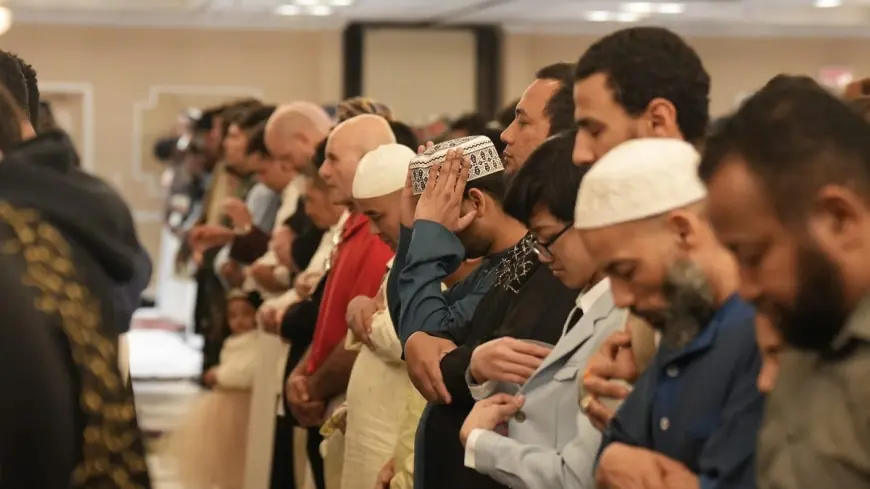
The Islamic holy month of Ramadan is due to begin later this week, with start dates hinging on the sighting of the new moon. Communities across north-west England are preparing a month of fasting, charity and nightly prayers; local mosques and organisations have scheduled events and services through the period.
When Ramadan begins in 2026
Moon sighting procedures mean the precise start of Ramadan remains conditional. Moon-sighting gatherings called by officials in several countries could lead to the first night of Ramadan being declared after sunset on Tuesday, February 17, or on Wednesday, February 18, Eastern Time. Other declarations could place the start on Thursday, February 19, ET in some communities. The lunar calendar also determines the end of the month: Ramadan lasts 29 to 30 days, so the festival that marks the close of the fast, Eid al-Fitr, is expected to fall around mid-March, most likely on March 18 or March 19 ET depending on the observed start.
What the month looks like and fasting times (ET)
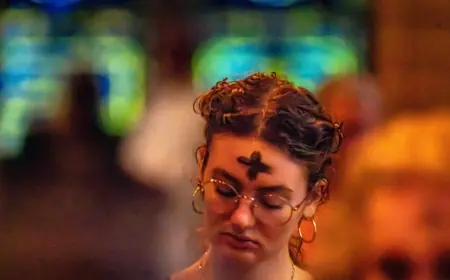
Ramadan commemorates the revelation of the Quran and is observed through daytime fasting from dawn to sunset, intensified prayer, reflection and increased charitable giving. Fasting excludes water, food, smoking and sexual relations during daylight hours for those considered fit to observe. Exemptions exist for people who are ill, pregnant, breastfeeding, menstruating, elderly, or travelling; those who miss days are often expected to make up fasts when able.
Fasting windows vary by location and date. For a practical example, dawn and sunset times quoted for north-west England translate into Eastern Time: dawn at about 05: 00 GMT converts to roughly 12: 00 AM ET, and sunset at about 17: 30 GMT converts to about 12: 30 PM ET. That gives an illustrative fasting window of roughly midnight to 12: 30 PM ET for that region on the days cited. Local sunrise and sunset change daily, so exact times will shift as the month progresses; worshippers should follow schedules published by their local mosques for precise daily timings.
Daily observance typically includes a pre-dawn meal (suhoor) and a post-sunset meal (iftar). Mosques often hold special nightly prayers (taraweeh) after the evening prayer, and communal iftars and charity drives are common features of the month.
Ramadan events and communities in north-west England
About 560, 000 Muslims live across north-west England, forming a substantial portion of local populations — roughly 12% in Greater Manchester and about 8% in Lancashire. Numbers are smaller in other parts of the region: around 2% in the Liverpool city area, 1% in Cheshire and 0. 4% in Cumbria. Nationwide, roughly 3. 9 million Muslims live in England and Wales, or about 6. 5% of the population the most recent census.
Communities in the north-west have lined up a programme of events for the coming weeks, including nightly prayers at mosques, public iftars, charity initiatives and educational talks. Traditional dishes serve as focal points at shared meals; for example, fava beans (fuul) are commonly enjoyed to break the fast in some communities. Local councils, faith groups and volunteers regularly coordinate to support communal meals and outreach during the month.
Those planning to attend events should check with their mosque or community centre for timings and any covid-19 or access guidance. Employers and public services in the region often note increased demand for flexible hours around suhoor and iftar times, and charities typically ramp up food and welfare assistance to help those in need.
Ramadan is both a spiritual and communal period: while the exact calendar is determined by lunar observation, community calendars and service providers across north-west England are preparing to mark the month with prayer, charity and shared meals.