






















amanda anisimova: Tennis community on edge as Destanee Aiava condemns 'toxic' culture in retirement announcement

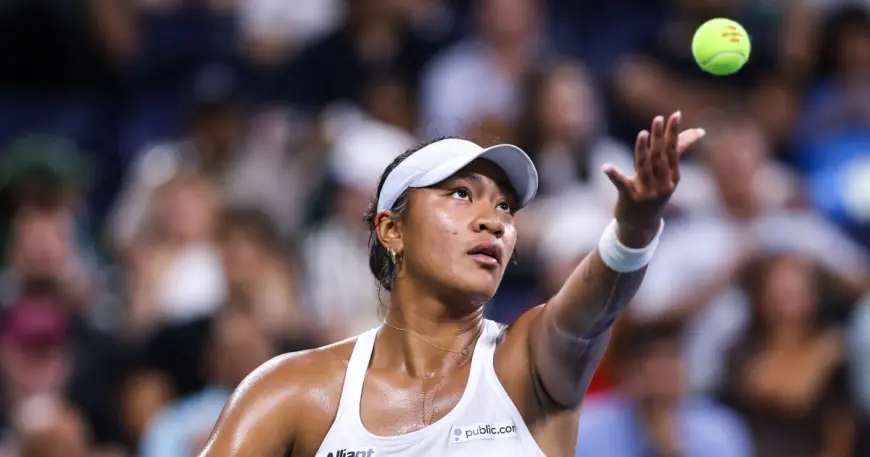
Destanee Aiava has declared that this will be her final year on the professional tour, delivering an unflinching open letter that accuses the sport of fostering a "racist, misogynistic, homophobic and hostile" environment. The 25-year-old said she can no longer tolerate a system that left her feeling diminished and threatened, and that she intends to close this chapter on her own terms.
Aiava's blistering critique: "toxic boyfriend" and threats
In a blunt message posted on Saturday (ET), Aiava described tennis as a "toxic boyfriend" that demanded sacrifices she no longer wishes to make. She recalled being 17 and on the cusp of a breakthrough, only to find herself "unprepared and dangerously naive to the consequences of trusting the wrong people. " That early peak—her career-high singles ranking of No. 147—remained the summit of her professional achievements; her official player profile lists her at No. 235 now.
Aiava painted a picture of a sport that masks exclusionary behavior behind tradition and etiquette. "Behind the white outfits and traditions is a culture that's racist, misogynistic, homophobic and hostile to anyone who doesn't fit its mould, " she wrote. She also called out the personal cost of staying in that world, naming harm to her body, health, family ties and self-worth, and said she had endured hate and death threats as well as cruel commentary about her body and career.
Her message was emphatic and unrestrained—she issued what she termed a "ginormous f--- you" to people who made her feel "less than, " and to those who have harassed her online. Aiava made clear that love of the game alone was no longer enough to justify remaining in an environment that had become corrosive.
Legacy, response and next steps
Aiava acknowledged the positive parts of her journey: global travel, friendships and the thrill of competition. She also used the moment to honor her Samoan heritage, thanking Pacific Islander supporters and expressing pride in being among the few people from her background visible on tennis stages not built for them. "I am proud to have made history for our people, " she wrote, and said she was humbled by the young fans who found inspiration in her presence.
The social-media reactions to her post were largely sympathetic, with peers offering visible support in comments. Aiava signaled a desire to reclaim agency, saying she wants to pursue a life guided by "purpose, creativity, and passion" outside the constraints that have defined her sport-driven identity. She added that she does not yet know what the rest of this year holds or where tennis will fit, only that the chapter will end on her terms.
Her announcement amplifies ongoing conversations about athlete welfare, online abuse and the culture within elite sports. It puts renewed focus on how locker-room environments, governing structures and fan behavior intersect to shape players' careers and well-being. For Aiava, the calculus has changed: enough has been given, and she is ready to restart on different ground.
As the season continues, attention will turn to how stakeholders respond to her critique and what measures, if any, will be prioritized to address the problems she outlined. For now, Aiava's decision to step away marks a personal reckoning and a public moment that underscores the human toll behind headline results and rankings.