
























Ramadan 2026 expected to begin Feb. 17 (ET); moon sighting will set final dates

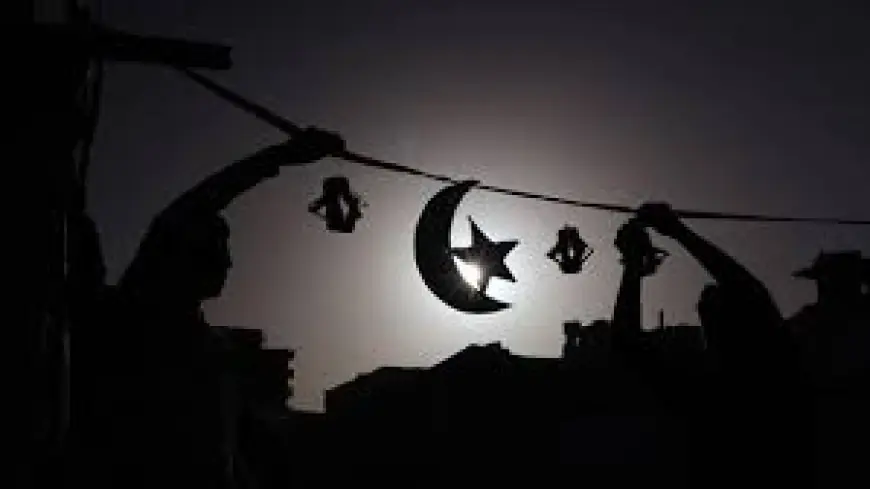
Religious authorities and astronomers are preparing communities for Ramadan 2026, which is expected to begin the evening of Feb. 17, 2026 (ET). The first full day of fasting is likely to be Wednesday, Feb. 18, 2026 (ET), and Eid al-Fitr is projected to fall on Thursday, Mar. 19, 2026 (ET). Final confirmation of the start and end will depend on regional moon sightings and local decisions.
How the Ramadan dates are determined
The start of Ramadan is set by the sighting of the new lunar crescent following the astronomical new moon. Astronomers provide calculations that predict when the crescent should be visible in different parts of the world, but many communities continue to use local visual sightings or rulings from religious authorities to make the official determination.
For 2026, astronomical forecasts indicate the new moon will occur in mid-February, which places the expected start on the evening of Feb. 17, 2026 (ET). If local observers confirm the crescent that evening, fasting would begin at dawn on Feb. 18. If the crescent is not seen, communities that rely on sighting will begin Ramadan one day later.
Practical impacts: calendars, work schedules and daylight saving
Muslim communities, employers and schools are already preparing tentative calendars and accommodations for Ramadan 2026. In the United States and Canada, daylight saving time begins on Sunday, Mar. 8, 2026 (ET), which will occur during the final third of the month of fasting. That clock change will shift local suhoor (pre-dawn meal) and iftar (sunset-breaking) times by one hour on the day DST begins, and communities are advising worshippers and institutions to update schedules accordingly.
Employers and universities are being encouraged to consider flexible arrangements for employees and students observing the fast, especially in areas with large Muslim populations. Health professionals also remind fasting people to plan hydration and medication regimens around suhoor and iftar, and to seek guidance where necessary.
Observance differences and community planning
Expect variation across countries and communities. Some jurisdictions will follow local visual sightings, while others will adopt calculation-based calendars that fix the start in advance. This can lead to neighboring communities observing the holy month on different days.
Religious leaders are urging communities to prepare now: finalize event calendars for Taraweeh prayers and community iftars, coordinate charity and food-distribution efforts, and set clear guidance on congregational worship. Travel demand is likely to spike in the days around the expected start and the anticipated Eid holiday, so organizers and travelers are being advised to make arrangements early.
Public-service agencies and transportation providers are also expected to publish updated schedules as dates are finalized. Because the official declaration depends on sightings in some areas, announcements typically appear the evening the crescent is expected to be visible; communities are preparing contingency plans for a one-day shift either way.
While the precise start of Ramadan 2026 will be confirmed by local religious authorities after the moon sighting window, the combination of astronomical predictions and community planning means most institutions can map out a tentative schedule now. Observers should watch for last-minute confirmations in their area and adjust plans for the daylight saving change on Mar. 8, 2026 (ET).