





















ramadan time table 2026: What north-west England communities need to know

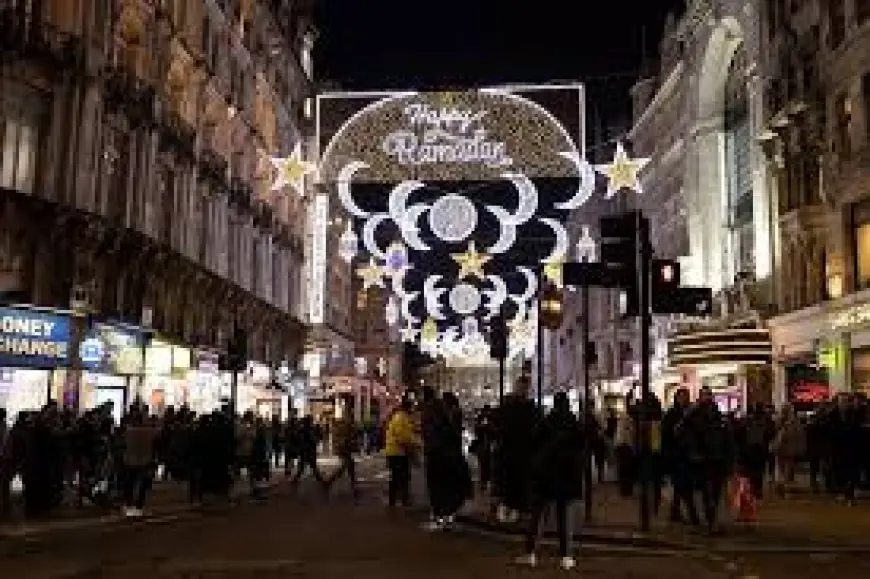
Ramadan begins later this week, and communities across north-west England are preparing a month of fasting, nightly prayers and charity events. This guide sets out the ramadan time table 2026 in Eastern Time (ET), outlines typical daily fasting hours, and highlights key community arrangements and the expected date for Eid al-Fitr.
When Ramadan starts (dates in ET)
Ramadan is expected to begin at sunset on either Tuesday, February 17 or Wednesday, February 18, 2026 (ET), with the exact start determined by the sighting of the new moon. Because the Islamic calendar is lunar, month-starts can shift by a day depending on local observations. The period of observance lasts 29 or 30 days; the festival of Eid al-Fitr that marks the end of Ramadan is therefore expected around Wednesday, March 18 or Thursday, March 19, 2026 (ET).
Community organisers and mosques will announce confirmations closer to the start date. Residents planning to attend or host events should watch for local announcements from their places of worship and community groups.
Daily fasting hours and practical guidance (ET)
Fasting during Ramadan runs from dawn until sunset. For north-west England in 2026, dawn and sunset translate roughly to Eastern Time as follows: dawn around 12: 00 a. m. ET and sunset around 12: 30 p. m. ET. These are approximate conversions and will vary by location and by date as the month progresses, so individuals should use local prayer timetables or mosque-provided schedules for precise times.
Only those deemed fit and healthy are required to fast. Exemptions include people who are ill, those travelling, and women who are menstruating, pregnant or breastfeeding. Those who miss fasts for valid reasons are generally expected to make them up at a later date if they are able.
Ramadan also involves a spiritual focus: abstaining from food and drink, including water, smoking and sexual relations between dawn and sunset. Many Muslims use the month for extra prayer, Quran recitation and charitable work.
Community events, charity and Eid plans (ET)
Across north-west England roughly 560, 000 Muslims live in the region, forming significant communities in several urban centres. Mosques typically hold special nightly prayers throughout the month and host communal evening meals—iftars—to break the fast. Community centres, charities and faith groups often run supplemental events such as free iftars, food drives and educational sessions for families and new observers.
Organisers advise attendees to check local timetables for iftar times and to book places for large communal meals, which can fill quickly on key nights such as the last ten days of Ramadan and the night of laylat al-qadr, an especially significant night of prayer.
The end of Ramadan, Eid al-Fitr, will be confirmed after the last day of fasting and celebrations typically begin the following morning. Community events for Eid often include special prayer services, family gatherings and charitable giving; public notices from local faith leaders will provide final dates and timings in ET once the moon sighting is confirmed.
For residents and visitors, the main practical points are simple: note the tentative start on February 17–18, 2026 (ET), follow local mosque timetables for exact dawn and sunset times, and look out for community announcements about iftars and Eid arrangements. Ramadan remains a deeply communal time and local organisations across the region will be coordinating services and events throughout the month.