



















'He did it for us': How jesse jackson Helped Free Three US Soldiers in 1999

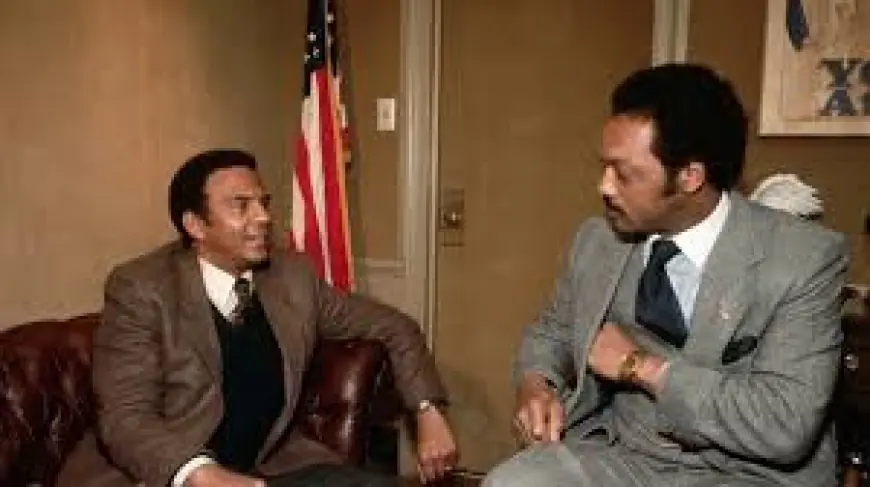
In May 1999, after more than a month in dark confinement and repeated interrogations, US Army Sergeant Andrew Ramirez was led into a room and confronted with an unexpected sight: a small delegation and international cameras. Standing among them was Jesse Jackson. Ramirez's memory of that moment has become emblematic of a long-running, sometimes controversial strand of private diplomacy that the civil rights leader pursued for decades. Jackson died at 84 on Tuesday, February 17, 2026 (ET).
A private diplomacy push against the White House
Ramirez and two other soldiers, Sergeant Christopher Stone and Specialist Steven Gonzales, had been captured in March 1999 near the Macedonian-Yugoslav border during operations tied to the Kosovo conflict. NATO forces, led by the US, were only days into a major air campaign aimed at pressuring the Yugoslav government to withdraw from Kosovo. In that tense atmosphere, the White House opposed outside interventions that might complicate military and diplomatic strategy.
Despite that resistance, Jackson — who already had a track record of stepping into fraught international situations to aid detained Americans — pressed for access. He linked up with a junior member of Congress with ties to the Serbian-American community, and together they arranged a multifaith delegation to travel to Belgrade. The goal was direct engagement with the Yugoslav leadership, including a face-to-face meeting with Slobodan Milosevic, to press for the soldiers' release.
Those who assisted in the effort remember warnings about the danger and about the potential to interfere with active military operations. Still, Jackson argued that diplomacy outside official channels can sometimes open doors that formal channels cannot, especially when communication and trust are fractured by war.
The moment of release and its aftermath
For Ramirez and the other soldiers, there was no forewarning of the embassy of efforts. He recalls being walked out, handcuffed, into a room filled with cameras — and seeing Jesse Jackson. Ramirez later joked that he briefly thought Jackson had been taken captive as well. The soldiers were released and reunited with US personnel soon after.
Ramirez's recollection underscores a human dimension often lost in strategic debates: for those detained, the difference between remaining in captivity and being freed is immediate and life-altering. Ramirez later summed up his feelings about Jackson's intervention in simple terms: he did it for them — for the men held in a box of uncertainty and fear.
The intervention reinvigorated conversations about when and how non-state actors, public figures and faith leaders should engage in high-stakes international negotiations. Critics argued such moves could undercut official strategy or be exploited as propaganda. Supporters countered that private diplomacy offers an additional channel, sometimes the only one available, when formal diplomacy stalls.
Legacy: a complex chapter in a long career
Jackson's involvement in freeing the soldiers in 1999 fits into a broader pattern across his public life: persistent efforts to use personal influence to protect and recover Americans abroad. That pattern included earlier interventions in the Middle East, Cuba and elsewhere, often drawing sharp debate between those who praised his moral urgency and those who worried about diplomatic consequences.
His death on Tuesday, February 17, 2026 (ET), prompted reflection on both his public oratory and his hands-on initiatives overseas. For the men freed in 1999, and for their families, his actions remain a vivid, personal legacy — a reminder that, in the fog of conflict, individual initiative can directly change lives.