
























Why so much redacted in the doj epstein files? Six men named in US Congress

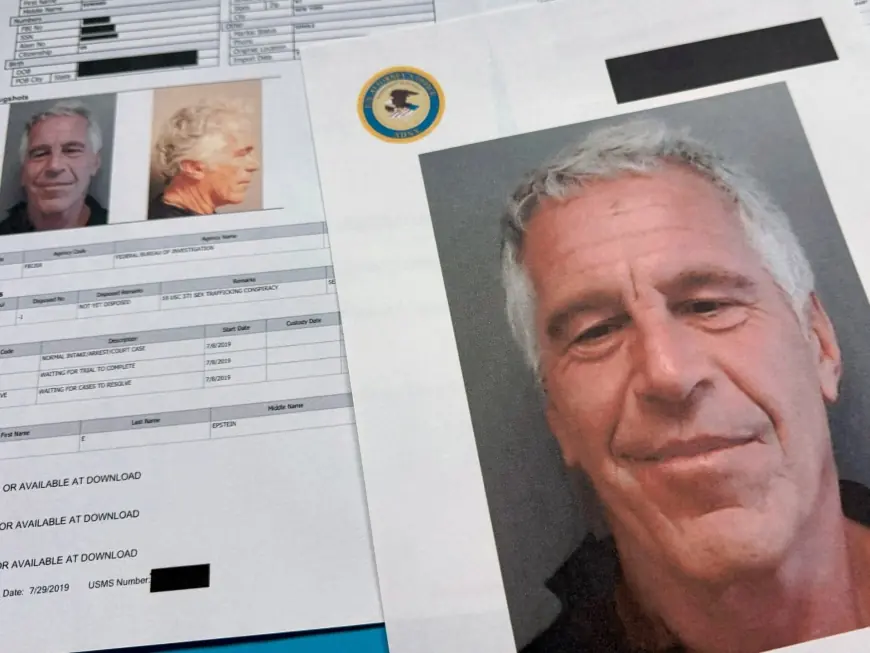
A House member announced the identities of six men whose names had been blacked out in the Justice Department's release of files tied to Jeffrey Epstein, prompting fresh scrutiny of the scale and rationale for redactions in millions of investigative pages. Lawmakers who reviewed unredacted records at the Justice Department say the disclosures expose broader gaps in transparency and leave victims and the public with unanswered questions.
What lawmakers found when they reviewed the files
Representative Ro Khanna and Representative Thomas Massie spent two hours viewing unredacted materials at Department of Justice headquarters and said they located six names that had been redacted in the publicly released documents. The men named include a prominent American billionaire and a well-connected CEO based in Dubai. Khanna argued on the House floor that if those six could be uncovered in two hours, many more redactions remain unexplained across the millions of pages now in public hands.
The Epstein Files Transparency Act required the release of records tied to the Epstein investigation and the Justice Department has uploaded a large tranche of material. Yet lawmakers and survivors point out that many pages remain heavily censored. The files include FBI notes, emails and photographs gathered over roughly two decades of inquiries into Epstein, who died in custody in 2019 while awaiting trial on sex-trafficking charges, and Ghislaine Maxwell, who was later convicted.
Justice Department explanation and congressional pushback
The Justice Department has provided a broad rationale for redactions: protecting ongoing investigative interests, classified details, and the privacy of individuals who are not charged with crimes. The department also submitted to Congress a list of people it classified as "politically exposed persons" mentioned in the files, a move intended to furnish lawmakers with context but which critics say supplied little usable information beyond names and sparse labeling.
Members of Congress pressing for fuller disclosure are demanding three clear steps: release the remaining unreleased files, limit redactions to protect only the names of survivors and other genuinely sensitive personal identifiers, and provide internal documents that explain decisions not to pursue investigations or prosecutions in specific instances. Lawmakers argue that opaque redaction practices undermine the statute's purpose and fuel suspicion that powerful figures are being shielded.
Implications and next steps
Legal experts stress that inclusion of a name in these documents does not imply misconduct or criminal liability, but they also say transparency is essential for public trust. The Justice Department is thought to be in possession of nearly 6 million pages related to Epstein; roughly 3. 5 million have been released so far. The law set a 30-day timeline for publication after enactment, a deadline that has not produced a fully unredacted archive.
Congressional access to unredacted material has been constrained: members may view records on secure computers at department headquarters, may not bring electronic devices into the review room, and are allowed only to take handwritten notes. That limited access has heightened frustration among lawmakers who want fuller, searchable public access to the files so survivors, researchers and the public can scrutinize the evidence and the department's decisions.
For survivors and advocates, the debate is about more than procedural fairness: it is about whether the justice system will fully account for alleged wrongdoing and the extent to which institutional discretion has protected the powerful. Lawmakers say the next phase will be litigation threats, oversight hearings and renewed pressure on the department to narrow redactions so that privacy protections do not become a blanket barrier to accountability.
The dispute over the redactions ensures the DOJ’s handling of the document release will remain under close congressional and public scrutiny in the weeks ahead, as calls mount for a clearer rule set that distinguishes legitimately protected information from material that should be made public.