




















lunar new year 2026 live: Year of the Fire Horse brings robots, changing rituals and festive food

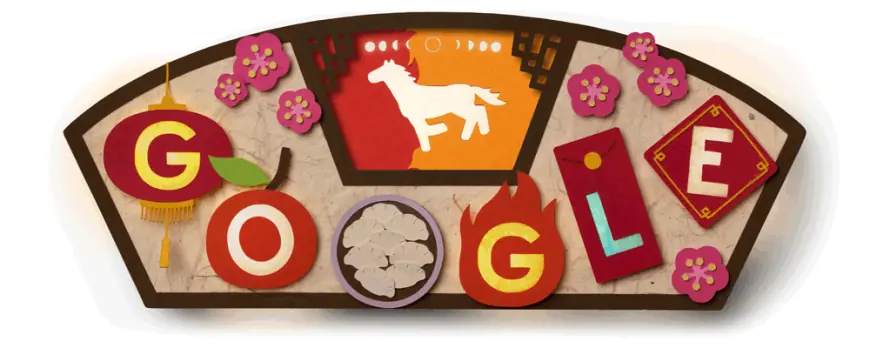
The Year of the Fire Horse has arrived, ushering in a 15-day festival tied to the first new moon of the lunar calendar. Celebrations are underway across Asia, from Beijing to Bangkok, with feasts, family rituals and an unusual mix of cutting-edge technology and cultural change shaping this year's observances.
Street processions and changing public displays
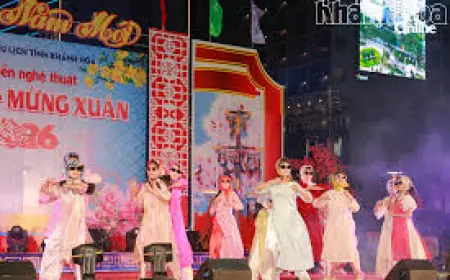
Communities have packed streets and temples for traditional parades, lion and dragon dances, and nightly firecracker displays. The Spring Festival period remains a peak travel time as families reunite for the holiday, while city centres stage public performances and markets sell red decorations and auspicious gifts.
At the same time, newer spectacles have joined more familiar pageantry. Humanoid robots have taken a visible role in celebrations in some cities, appearing in variety shows and even on major holiday broadcast programs. One Shanghai start-up staged an hour-long festival variety show featuring robot dances, comedy sketches and musical segments, and robotic acts are set to perform on national gala stages. Observers note that investment in robotics and artificial intelligence has made these displays a notable feature of this year's observances.
Food, symbolism and simpler home rituals
Food remains central to celebrations across the region, and dishes vary widely by country and locality. In Malaysia and Singapore a tossed raw fish salad is served in communal fashion — diners lift chopsticks together to mix the ingredients and shout wishes for prosperity before eating. In parts of South Korea it has become common to present tins of luncheon meat as practical New Year gifts.
In Vietnam, the Tet table showcases regional staples: in the north, families prepare bánh chưng, a square sticky-rice cake wrapped in banana leaves and filled with mung beans and pork. In the south, the cylindrical bánh tét plays a similar ceremonial role. A traditional whole boiled chicken, sometimes presented with a red rose in its beak, is displayed upright on the platter to symbolize completeness and unity for the year ahead.
At home many households are rethinking long-standing ancestral rituals. In one country more than 60% of respondents indicated they will not set up the elaborate charye tables that have long been used to honour ancestors, opting instead for simpler or scaled-back observances. The reasons cited include changing lifestyles, smaller family units and shifting priorities for what constitutes meaningful commemoration.
Culture, controls and the emblem of the Fire Horse
The Fire Horse is a rare zodiac sign, occurring only once every 60 years, and is commonly associated with dynamism, independence and a fiery temperament. For many celebrants the image of the horse adds extra symbolism this year — inspiring hopes for passion, drive and fresh momentum in the months ahead.
At the same time, cultural expression online and in public spaces is under greater scrutiny in some places. Authorities have stepped up enforcement against what they characterise as antisocial content, this year extending the crackdown to posts that celebrate choosing not to have children. The enforcement effort is part of a broader trend of monitoring and regulation that affects how people share holiday greetings, personal reflections and critical commentary during the festival period.
Between traditional feasting, quieter home rituals and high-tech stages featuring humanoid performers, this Lunar New Year is a snapshot of societies balancing continuity and change. As families savour sticky rice cakes, mandarin oranges and other seasonally symbolic foods, many are also looking ahead with cautious optimism that the Fire Horse will bring renewed energy and good fortune for the year to come.