

























jasmine crockett and James Talarico clash as Texas Democratic Senate primary tightens

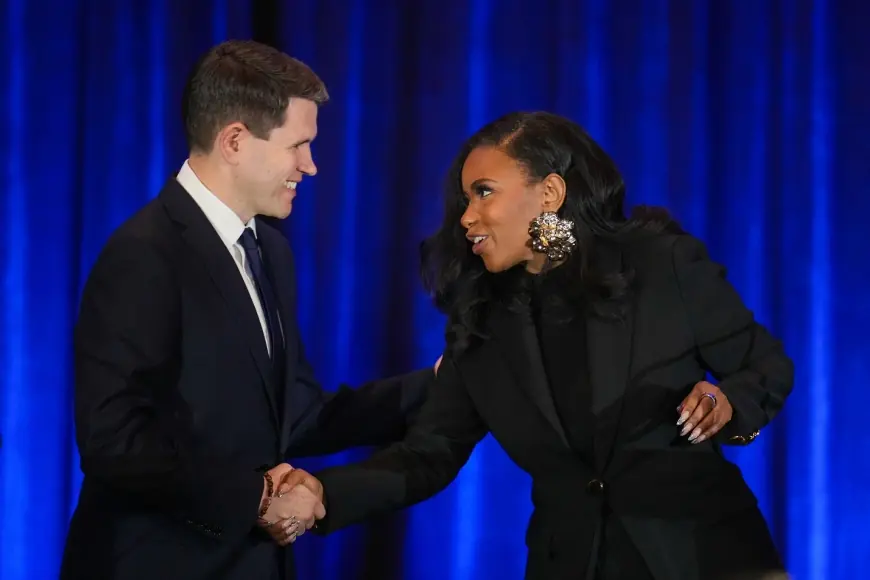
With early voting underway ahead of the March 3, 2026 primary (ET), the Texas Democratic contest for U. S. Senate has narrowed into a contrast of style as much as substance. U. S. Rep. Jasmine Crockett and state Rep. James Talarico are both unapologetic progressives with similar legislative résumés, but each is leaning into a different playbook as they jockey to be the party’s nominee for a seat Democrats have not won in decades.
Parallel records, divergent tones
Both candidates stake their campaigns on progressive credentials and rapid political ascents. Crockett, 44, served a term in the Texas House before being elected to Congress, while Talarico, 36, is in his fourth term in the state House. Each argues that Democrats need renewed energy to flip a seat that hasn’t gone blue since 1988 and to challenge a national Senate map where Republicans hold a slim 53-47 advantage.
Their policy overlap is notable. Both call for tougher measures on income inequality, with Talarico explicitly proposing higher income and capital gains taxes on the very wealthiest to fund programs for working families, and Crockett vowing to make billionaires and major corporations “pay their fair share. ” On immigration enforcement, both criticized the current agency in charge, stopping short of endorsing outright abolition; Talarico has proposed replacing the division with an agency focused on public safety, while Crockett described the agency as a “rogue agency” that requires Congress to “clean house from top to bottom. ”
When asked about former President Donald Trump, both have signaled that they see impeachable conduct. Crockett said there is more than enough to impeach and supports moving through the formal process; Talarico described the administration as having “certainly committed impeachable offenses. ”
Style, identity and the closing stretch
Where the two diverge most visibly is in tone and public persona. Crockett has leaned into confrontational, high-profile fights with national Republicans and has framed her Senate bid as a direct counter to what she calls a system dominated by partisan gamesmanship. Her campaign launch used a montage of attacks aimed at her from national figures to underscore that image.
Talarico’s approach has been more measured and expansive in outreach. He has emphasized faith and moral argumentation in public debates — at times citing his Christian beliefs and noting his seminary studies — while also mounting a final push to meet voters across the state. On Feb. 16, 2026 (ET), Talarico announced a 12-city “Take Back Texas Tour, ” a barnstorm intended to mobilize a broad geographic electorate and underscore a grassroots message aimed at working people, not just the party base.
That outreach is part of a broader effort to show he can appeal beyond heavily Democratic precincts, while Crockett’s campaign highlights readiness to spar with high-profile Republicans in a general election fight. Both campaigns are mindful that only one will get the chance to challenge the eventual Republican nominee in November, and both have ramped up field operations and public appearances in the closing days before the primary.
The stakes and the road ahead
The primary winner faces a historically steep climb. No Democrat has won a U. S. Senate race in Texas in more than three decades, and the national Senate math gives the GOP a working majority. Still, Democrats see opportunity in shifting demographics and energized turnout efforts, and both candidates are pitching visions for how to compete statewide.
With early voting now open and the March 3 primary looming, the contest will likely be decided by which campaign can best translate progressive policy alignment into broader appeal: Crockett’s hard-charging, national-profile style or Talarico’s grassroots, values-driven outreach and barnstorming tour. Either way, the primary will also test whether a millennial or near-millennial generation of leaders can vault a long-shot Democratic bid into a viable November effort.