




















ramadan 2026: Global communities gear up as moon sighting approaches

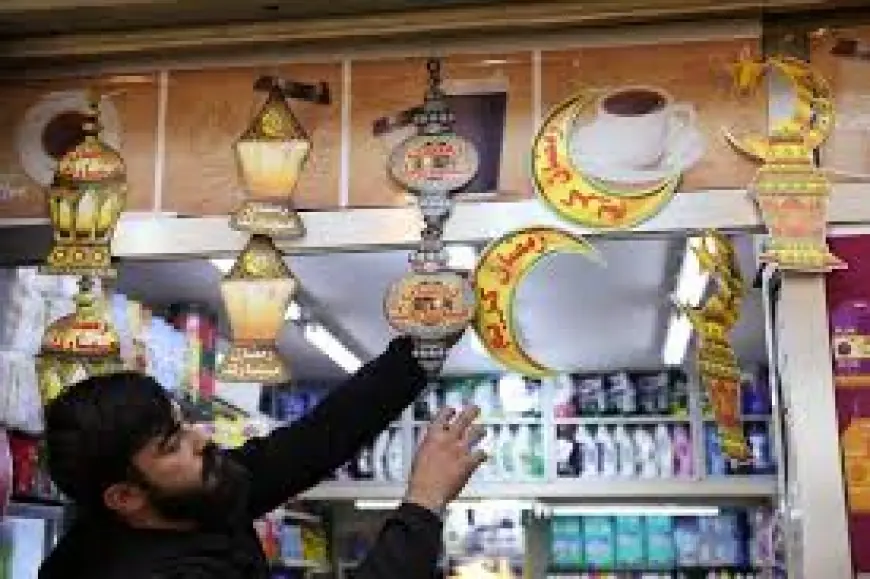
With the lunar month that ushers in ramadan expected in late February 2026, Muslim communities around the world are finalizing preparations for a month of fasting, prayer and intensified charitable activity. Local authorities, religious institutions and businesses are coordinating logistics for worship services, food distribution and workplace accommodations as many cities anticipate higher evening activity and increased demand on services.
Timing and moon sighting: what to expect
The start of ramadan will depend on the traditional moon sighting discussions that take place in many countries. Communities will watch for the new crescent in the sky over successive evenings, and many national religious bodies will confirm which night marks the beginning of the fast. Observers and astronomers are offering predicted windows for the crescent's visibility, but final announcements will be local and could vary by region. Across time zones, observant communities will make last-minute decisions about the first day of fasting and associated public prayer schedules. All timings referenced here use Eastern Time (ET) when communicated internationally for coordination and planning.
Places of worship and community services prepare for a surge
Mosques and community centers are revving up volunteer rosters and scheduling additional night prayers, known as taraweeh, to accommodate larger congregations. Many institutions are expanding space where possible, adding more prayer lines and enhancing audio-visual setups to manage overflow. Community kitchens and food banks, which often run iftar meals (the evening meal that breaks the fast), are securing supplies and volunteer shifts to meet anticipated demand while navigating higher food prices in some regions.
Healthcare providers are issuing guidance for people with medical conditions who intend to fast. Clinics in cities with large Muslim populations plan targeted outreach to advise patients on medication schedules, hydration strategies during non-fasting hours and when to seek medical exemptions. Public health campaigns in several areas will emphasize safe fasting practices for older adults and those with chronic illnesses.
Workplaces, transport and commerce adapt
Employers are expected to finalize flexible scheduling, especially in countries where large segments of the workforce observe the fast. Human resources teams are developing policies to manage shift swaps, prayer breaks and accommodations for employees who break their fasts at sunset. Retailers and restaurants in neighborhoods with significant Muslim populations are preparing for shifted peak hours that tend to occur after sunset, while grocery suppliers are stocking staples often used in pre-dawn meals and communal breaking-of-the-fast events.
Public transit authorities in several metropolitan areas have already been alerted to the likelihood of increased evening ridership as families travel for iftar gatherings and nightly prayers. Authorities are coordinating crowd management plans for stations near major mosques and community centers to ensure safety during peak times.
Charity, economic pressures and communal resilience
Charitable organizations are planning expanded zakat and food distribution drives to assist vulnerable households. Economic pressures, including elevated food and energy costs in some regions, are adding urgency to fundraising campaigns. Community leaders are urging early donations and volunteer sign-ups to prevent last-minute shortages.
At the same time, many communities are leveraging digital tools to manage logistics—online sign-ups for volunteer shifts, digital donation portals, and apps that broadcast prayer times and local announcements. These tools aim to keep operations smooth amid higher demand and to allow communities to focus on the religious and social elements of ramadan: reflection, family, and increased charitable action.
As the crescent moon approaches visibility and local authorities prepare to declare the official start, organizations and residents are entering the final stretch of preparation. For many, the coming weeks are a mix of spiritual readiness and practical planning to ensure that worship, community support and essential services run safely and smoothly throughout ramadan 2026.