




















Bobsled Triumph and Family Life: elana meyers taylor’s Long Road to Olympic Monobob Gold

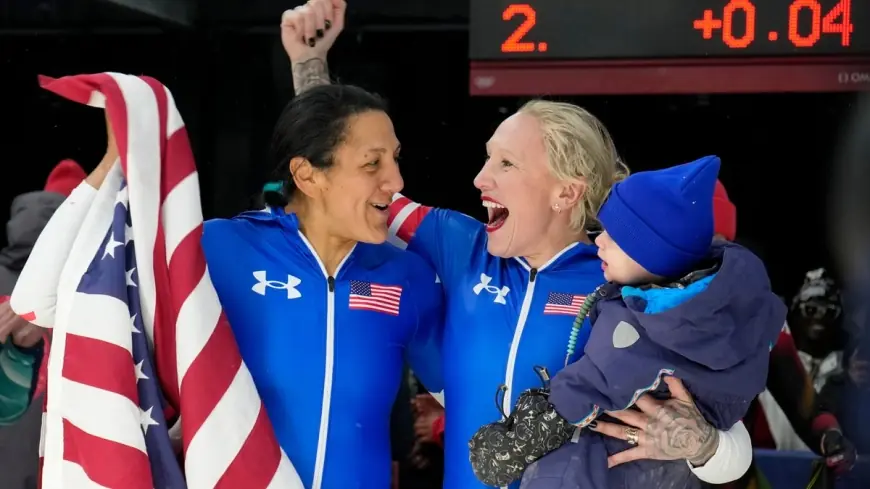
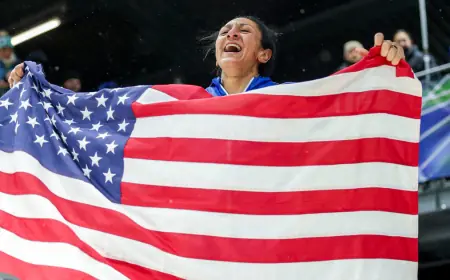
Elana Meyers Taylor reached the Olympic summit in the monobob on Monday, Feb. 16, 2026 (ET), claiming the gold she has long sought while sharing the podium with a fellow mother and longtime rival. The moment proved both a sporting milestone and a public testament to the challenges and compromises elite athletes who are parents face as they pursue their careers.
Monobob gold after a long chase
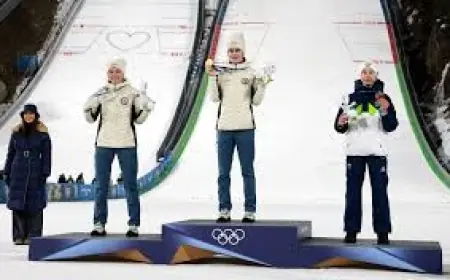
Meyers Taylor’s win capped a determined campaign that ended with her standing above Germany’s Laura Nolte and Kaillie Armbruster Humphries on the medals platform. The victory was especially resonant because it represented the culmination of years of pursuit; for Meyers Taylor, the medal was more than a competitive achievement—it was a personal milestone she has chased for a long time.
On the ice and snow, margins are slim and experience matters. Meyers Taylor’s technique, focus and veteran savvy carried her through the pressure of Olympic runs. The result is a gold medal that not only validates her athletic persistence but also reframes expectations for athletes managing family life alongside elite competition.
Motherhood, guilt and the support network
Both Meyers Taylor and Armbruster Humphries have spoken openly about the emotional and practical complexities of competing at the highest level while raising young children. In the hours around the podium, the athletes’ sons were nearby—too young perhaps to grasp the significance, but present as a reminder of what these champions balance beyond training schedules and race strategy.
They acknowledged that the mental load of parenting adds another layer to performance. “I hope it shows that just because you're a mom doesn't mean you have to stop living your dreams, ” Meyers Taylor said, framing the victory as proof that ambition and parenting can coexist, even when both demand everything a person can give.
Both women credited a robust support system for making their campaigns possible: spouses who understand the grind, extended family who step in for childcare, and institutional resources that help athlete-parents manage logistics. The national Olympic committee provides financial and practical assistance that eases some burdens, but as the athletes note, no policy or helper can completely silence the internal tug of parenthood.
A public example for working parents
Standing on the podium with medals around their necks, Meyers Taylor and Armbruster Humphries offered a visible counterargument to the notion that elite sport and motherhood are mutually exclusive. They suggested that athletic careers can continue into later years and that definitions of success and timing can shift without meaningfully diminishing ambition.
They also addressed the universal feeling many parents know well: mom guilt. One athlete described the necessity of compartmentalizing—recognizing the guilt, then setting it aside to do what’s needed to perform at one’s best. That frankness resonates beyond sport. It speaks to anyone juggling work, family and identity, and it underscores how personal choices are navigated with help from others and internal resolve.
For Meyers Taylor, the gold medal is dedicated not only to her own perseverance but to those mothers who never had the chance to chase similar dreams. “This medal is also for all those moms who weren't necessarily able to live their dreams, but their kids are now their dreams, ” she said, framing her success as a shared triumph that honors other families and sacrifices.
The image of two women, both mothers, atop an Olympic podium sends a clear message: elite achievement and parenthood can coexist, and with the right support and stubbornness, athletes can rewrite expectations about age, family and possibility.