

























Solar eclipses in 2026: planners warn grid and tourism must prepare for rare August totality

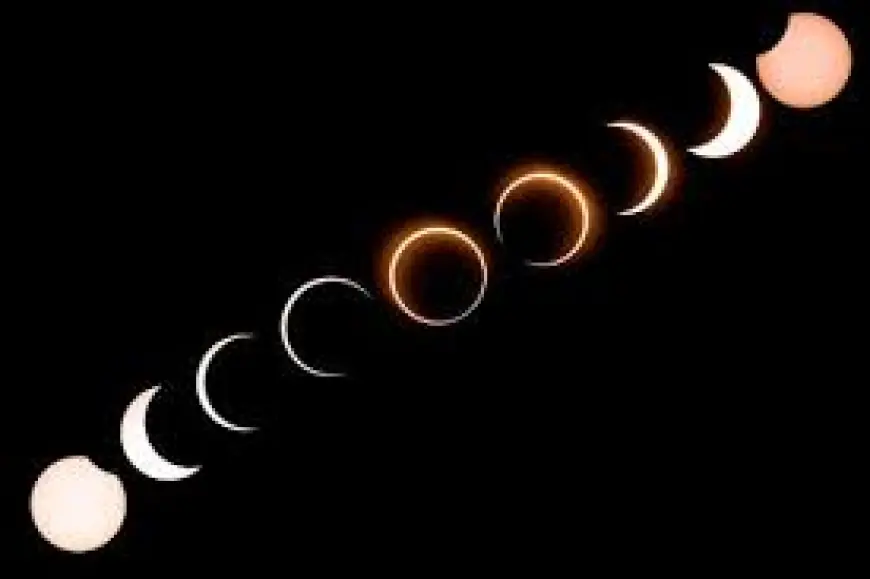
Governments, grid operators and tourism officials are stepping up preparations for the total solar eclipse on Aug. 12, 2026 ET, the most accessible total eclipse for parts of Europe and the North Atlantic in decades. Officials say the event will deliver a short, dramatic blackout of the Sun for communities in the path of totality and could strain electricity systems and transport networks unless planners coordinate now.
Power systems brace for rapid dip and rebound in solar generation
Operators of electricity systems that rely heavily on solar power are updating contingency plans after modeling showed a steep drop in generation lasting up to several minutes along the eclipse path, followed by a fast recovery. The brief but sharp reduction in output—combined with regular daily demand patterns—creates a risk of imbalance that must be managed through reserves, flexible generation and increased forecasting accuracy.
Grid managers are testing new short-term forecasting tools designed to predict the eclipse’s impact on photovoltaic output with minute-by-minute resolution. Those models incorporate cloud cover, solar angle and the eclipse’s geometry to estimate the depth and timing of irradiance loss. Operators plan to run simulation drills in the spring and summer to ensure rapid dispatch of reserves and to rehearse communication with distributed solar owners and battery operators who can provide demand-side flexibility.
Tourism, transport and local services prepare for a spike in visitors
Communities inside the path of totality across Greenland, Iceland and northern Spain anticipate a significant influx of visitors eager to witness totality. Local authorities are coordinating with emergency services and transport providers to handle large, concentrated crowds during the brief window when the Moon fully covers the Sun.
Airports and regional carriers expect to see higher booking volumes and are revising contingency plans for air traffic control during the event. Road authorities are preparing temporary traffic controls and parking plans to avoid congestion near prime viewing sites. Hospitality businesses are ramping up staffing and supplies, and health systems are reminding the public about eye-safety: only certified eclipse glasses or indirect viewing methods are safe during partial phases, while the Sun’s full disk is covered only for a short time during totality.
Authorities are also urging responsible tourism. Some sensitive environments along the path, including coastal and protected natural areas, are imposing restrictions to minimize ecological disturbance from large crowds and temporary campsites.
Scientific opportunities and public outreach
Researchers are organizing coordinated observation campaigns to study the Sun’s corona and the Earth’s upper atmosphere as sunlight plummets and recovers. Instruments on the ground and in aircraft will measure changes in temperature, wind and ionospheric properties to improve understanding of how rapid changes in solar irradiance ripple through Earth systems.
Public agencies are using the eclipse as an education opportunity, rolling out outreach materials and community events to teach eclipse science and safe viewing practices. Schools and science centers along the path of totality are planning viewing events with trained staff and protective equipment so students and the public can experience totality safely.
With just months to go, planners emphasize that coordinated preparation—particularly for power systems and emergency services—remains essential. The eclipse will last only minutes in any one place, but its impacts on infrastructure, travel and local services could be outsized if steps are not taken in advance.