


















What to Expect for ramadan 2026: Dates, Moon Sighting and Community Plans

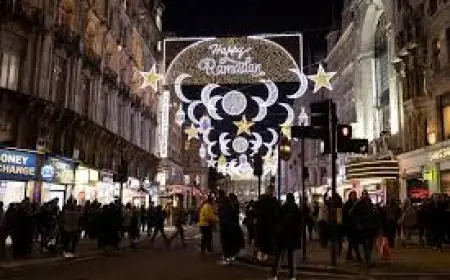
Muslim communities worldwide are beginning preparations for ramadan 2026, with religious leaders, mosques and civic organizations setting guidance for observance, charity drives and public events. While exact start and end dates will depend on local moon-sighting practices, astronomical predictions point to an early-to-mid February start window for the 2026 fast.
When will ramadan 2026 begin?
The Islamic calendar is lunar, so the start of ramadan is set by the sighting of the new crescent moon (hilal) or by astronomical calculations used by some communities. For ramadan 2026, astronomical forecasts indicate the new-moon phase will fall in early-to-mid February 2026. That means communities that rely on calculations or coordinated regional announcements are planning for Ramadan to begin in that timeframe, with variations depending on local sighting and time zones.
Official ceremonial announcements from mosques and community centers typically follow a local sighting or a regional council decision. Observant communities in North America and Europe often publish provisional calendars months in advance, but emphasize that the first day of fasting will be confirmed closer to the date, usually the evening before the expected start. For readers tracking their local mosque schedule: expect formal confirmation to arrive within 24 hours of the likely new-moon sighting, posted in local bulletins and community channels.
How moon-sighting, calculations and differing practices will affect observance
There are two main approaches that shape ramadan start dates: traditional naked-eye or optical telescope sightings, and pre-emptive astronomical calculations. Some communities favor sighting the crescent locally, which can lead to different start dates between neighboring regions. Others adopt a calculation-based calendar that fixes observance in advance to help planning for businesses, schools and mosques.
For ramadan 2026, both approaches remain in use. Expect discussions this season about whether to accept a single national or regional announcement or allow local sighting determinations. These conversations affect communal worship schedules, the timing of nightly taraweeh prayers, and the coordination of interfaith and civic Ramadan programming. Emergency service providers, healthcare institutions and employers that accommodate fasting staff increasingly factor both potential start dates into shift planning and leave policies.
Community preparations and what to watch for in the months ahead
Mosques, relief organizations and volunteer groups typically ramp up fundraising, food distribution and charity projects in the weeks ahead of ramadan. Organizers are already booking venues for nightly iftar meals, lining up speakers for religious programs, and coordinating volunteer rosters. Cities with large Muslim populations are discussing public health messaging for fasting individuals, traffic and crowd management for popular prayer sites, and collaboration with local officials for holiday observances.
Travel and hospitality sectors also keep an eye on the Ramadan calendar. Pilgrimage and travel bookings that overlap with the holy month are often adjusted to meet demand for umrah and family visits, and restaurants rethink hours where iftar and suhoor crowds affect service. Employers planning shift coverage should monitor their local mosque or community council statements in early February 2026 to avoid last-minute conflicts.
Finally, technological tools and apps that provide prayer times and community calendars will update their predictions as the new-moon window approaches. Users who prefer certainty may follow calculation-based timetables published by their local religious authorities; those who favor traditional sighting should check final confirmations the evening before the expected start.
Ramadan 2026 will once again showcase how a lunar cycle shapes religious life, community coordination and public planning. Expect local leaders to balance centuries-old traditions with modern needs for predictability and coordination as the new moon approaches in February.