























Communities Mark año nuevo lunar with Parades, Travel Strains and New Security Measures

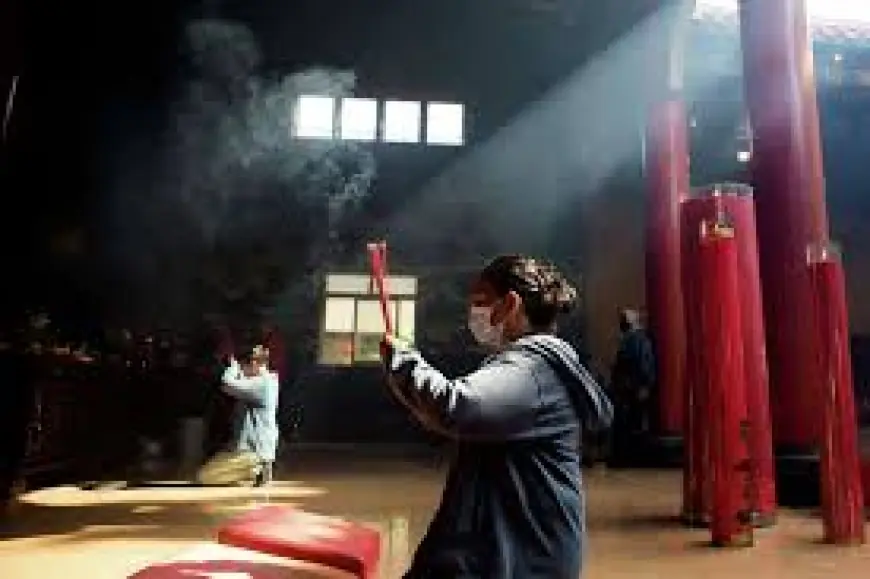
Communities across Asia and in major U. S. cities observed año nuevo lunar this week with traditional performances, large family reunions and a surge in travel demand that led to packed transit systems and stepped-up security at public events. Celebrations began on the evening of Feb. 17, 2026 ET, and extended through the following days as families visited temples, attended parades and took part in public festivals.
Public festivals draw big crowds; authorities add staffing and crowd controls
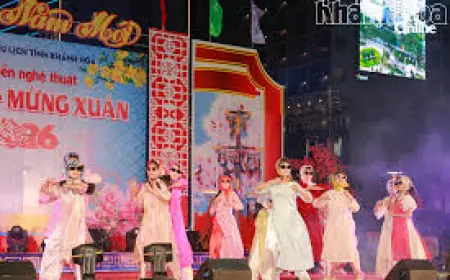
Street processions and cultural performances attracted thousands of attendees in urban centers where organizers staged dragon and lion dances, lantern displays and live music. City officials deployed extra public-safety personnel and temporary barriers at major festival sites to manage pedestrian flow and protect performers. In several locations, authorities announced staggered entry times for parade routes and required large backpacks to be checked to reduce congestion.
Organizers emphasized traditional observances—red decorations, fireworks and family meals featuring symbolic foods—while urging attendees to follow posted safety guidance. Firework displays were curtailed in some districts because of air-quality concerns and local fire-safety rules, prompting some events to pivot to quieter light shows and drone displays to maintain spectacle without adding smoke or noise complaints.
Travel surge strains transit and airports; carriers add service
The holiday rush produced a significant uptick in ticketed travel and intercity transit ridership. Commuter rail and regional bus operators reported higher-than-normal passenger volumes beginning Feb. 17, 2026 ET, and extended evening service in some corridors to accommodate travelers returning to family homes. Airport terminals experienced busy check-in lines and packed concourses; some carriers added short-term supplemental flights to popular routes and advised travelers to arrive earlier than usual for security screening.
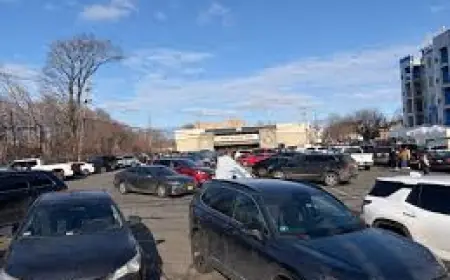
Roadways leading to cultural hubs and temple districts saw congestion during evening hours as families traveled to attend special services and dinners. Local transportation agencies recommended that motorists use public transit where available, and several major cities opened temporary parking lots with shuttle services to reduce bottlenecks around festival sites.
Community leaders emphasize balance of tradition and safety
Cultural organizations and religious leaders highlighted the holiday’s central themes of renewal, family and gratitude while encouraging attendees to observe health and safety guidance. In areas with large gatherings, volunteers distributed masks and sanitizer stations remained available at venue entrances. Some community centers offered livestreamed ceremonies for people unable to attend in person, allowing families to participate remotely without increasing crowd sizes.
Businesses in neighborhoods known for Lunar New Year commerce reported a boost in foot traffic and sales of traditional goods such as red envelopes and specialty foods. Restaurants ran extended hours to serve celebratory meals, and many small businesses staffed extra workers to handle the influx.
they would monitor events through the remainder of the holiday week and adjust staffing and transport plans as needed. Many organizers expressed cautious optimism that enhanced planning and community cooperation would keep celebrations safe while preserving long-standing cultural practices.
Events and closures related to the holiday continued into the week following Feb. 17, 2026 ET, with cultural programming and community gatherings scheduled across multiple neighborhoods through the weekend.