




















![Amber Glenn Withdraws From [Event] Citing Injury, Will Miss Upcoming Season — Update](https://www.filmogaz.com/uploads/images/202602/image_430x256_6994eca04b7cd.webp)


Measles cases climb this winter, public-health authorities urge renewed vaccination push

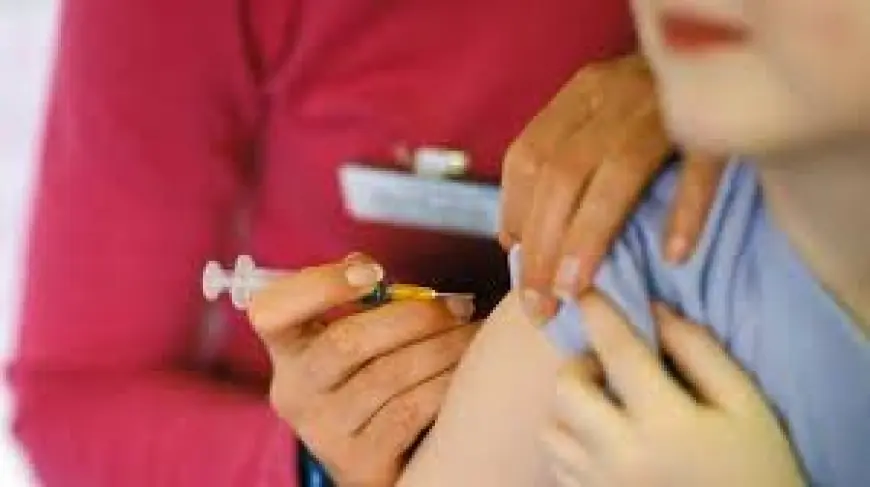
Feb. 17, 2026 ET — Health authorities are tracing a fresh surge in measles cases across several regions this winter, prompting renewed warnings about the risks posed by missed vaccinations and international travel. The uptick has led to targeted containment measures, clinic alerts and reminders that the vaccine remains the most effective defense.
What's driving the rise?
Public-health officials point to two main drivers behind the current increase: persistent gaps in routine childhood immunization and heightened exposure from international travel. Many communities still have pockets of under-vaccinated children and adults, enabling the highly contagious measles virus to spread rapidly once introduced. Seasonal travel and events that bring together large groups have created opportunities for outbreaks to take hold.
Experts note that measles spreads through respiratory droplets and can linger in the air and on surfaces for hours after an infected person leaves a space. That combination of high transmissibility and incomplete vaccine coverage is a recurring pattern observed in prior outbreaks: a single imported case can seed clusters that quickly expand in communities with low immunity.
While the majority of recent cases have involved unvaccinated children, health facilities are also reporting infections among adolescents and adults whose immunizations were incomplete or unknown. Hospitalizations have been concentrated among the very young and those with weakened immune systems, reinforcing concerns about the disease’s severity when vaccine protection is absent.
Public-health response and guidance
Local and state public-health teams are deploying classic containment strategies: case investigations, contact tracing, targeted vaccination clinics and temporary exclusion orders for unvaccinated individuals in affected schools and childcare settings. Jurisdictions are accelerating outreach to families and caregivers to ensure children receive timely MMR (measles, mumps, rubella) doses.
Clinicians are being advised to maintain a high index of suspicion for measles in patients with fever, rash and respiratory symptoms, and to use appropriate airborne infection controls when evaluating suspected cases. Laboratories have increased testing capacity to confirm diagnoses rapidly, allowing quicker public-health interventions.
Health authorities emphasize that a two-dose MMR series provides strong protection for most people. For travelers, particularly infants and unvaccinated adults heading to areas with ongoing measles transmission, an early dose or ensuring MMR immunity before departure is being recommended. Pregnant people and those with certain immune conditions should consult a clinician for individualized guidance, because the vaccine is not recommended in some circumstances.
What parents and travelers should know
Parents are urged to review vaccination records and schedule any missing MMR doses without delay. For infants younger than the routine vaccination age who will travel internationally to areas with measles circulation, an early dose may be advised; families should check with health providers well before travel.
Travelers returning from regions with measles activity should monitor for symptoms for up to three weeks and seek medical attention immediately if fever and rash develop. In clinical settings, patients with possible measles should call ahead so staff can take steps to reduce exposure to others.
Community prevention relies heavily on vaccination. Public-health leaders stress that maintaining high two-dose coverage not only protects individuals but also prevents the wider disruption that outbreaks inflict on schools, healthcare systems and families.
Officials say staying up to date with immunizations, recognizing early symptoms, and following guidance on testing and isolation remain the most effective tools to curb the current rise and protect vulnerable populations.