
























Speed skating team pursuit drama unfolds as favorites stumble in Milan-Cortina warm-up

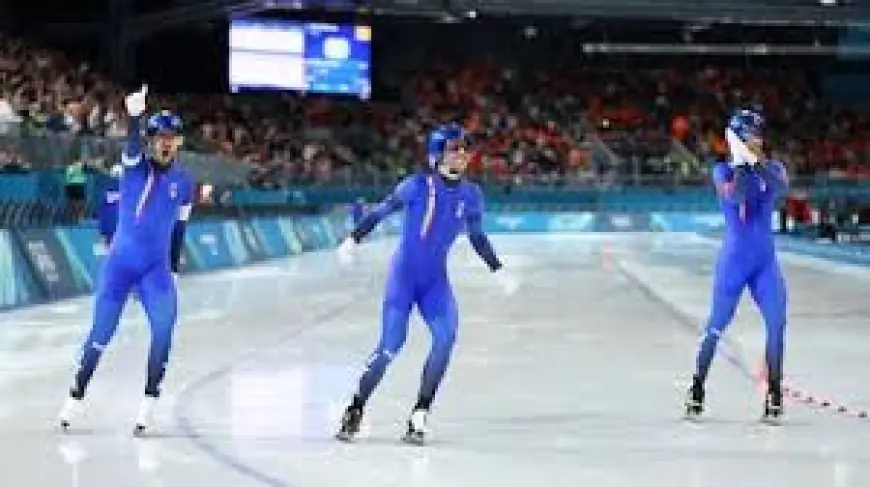
The speed skating team pursuit delivered a shock Friday evening in Milan-Cortina, where an underdog squad captured the win and several pre-race favorites suffered costly errors. The result tightens the field just weeks before the 2026 Winter Games and leaves national teams reassessing tactics and lineups.
Unpredictable ice and a tactical upset
Skaters faced softening ice conditions late in the session, and the team that adjusted best to the changing surface took full advantage. The winning unit executed clean exchanges and maintained consistent lap profiles, while two heavily favored teams lost time on the final lap after miscommunication in the paceline. Coaches acknowledged that small timing mistakes became magnified over the 6-lap race, underlining how tactical cohesion can trump raw speed in the pursuit format.
Officials noted a few minor lane infractions that did not alter standings, but the defining moments were purely racing errors: a missed lead change that forced a recovery sprint and a late surge that left one skater isolated and unable to contribute in the closing laps. The victors capitalized on those miscues, posting the evening’s best split and delivering a surprising gold for a nation that had not stood atop the podium in this discipline at a major international meet in several seasons.
Implications for Olympic preparations
The outcomes from Milan-Cortina have immediate ripple effects for Olympic selection and strategy. Several team managers indicated internal reviews are underway to tighten communication protocols and refine pacing plans. For the medaling underdogs, confidence will grow as they transition into final tune-up races and altitude training blocks. For the disappointed favorites, the result is a wake-up call: selection pools may narrow and experimentation with lineup order could be accelerated to prevent a repeat under pressure.
Analysts point out that in team pursuit, depth is as important as a standout anchor. The contest highlighted the benefits of interchangeable roles, with the winning squad showcasing three skaters whose lap times held steady even when rotated into the front. That versatility might now factor decisively into how nations approach the team pursuit at the Games, where ice conditions and schedule congestion can force teams to adapt quickly.
Looking ahead: adjustments and the path to the podium
Expect to see tactical drills, simulated late-lap scenarios and more emphasis on the timing of exchanges at upcoming competitions. Coaches will likely run additional pairings in time trials to find the most resilient combinations. With Olympic opening ceremonies approaching, national programs must balance peaking athletes for the Games while ironing out the reliability issues exposed in Milan-Cortina.
For fans, the event served a reminder that the team pursuit remains one of speed skating’s most suspenseful disciplines: seconds and positioning matter as much as raw velocity. The recent upset adds intrigue to the race for Olympic medals and ensures the discipline will be one to watch when the podium chances are finally decided in February.