





















benfica - real madrid: tactical chess ahead of high-stakes showdown

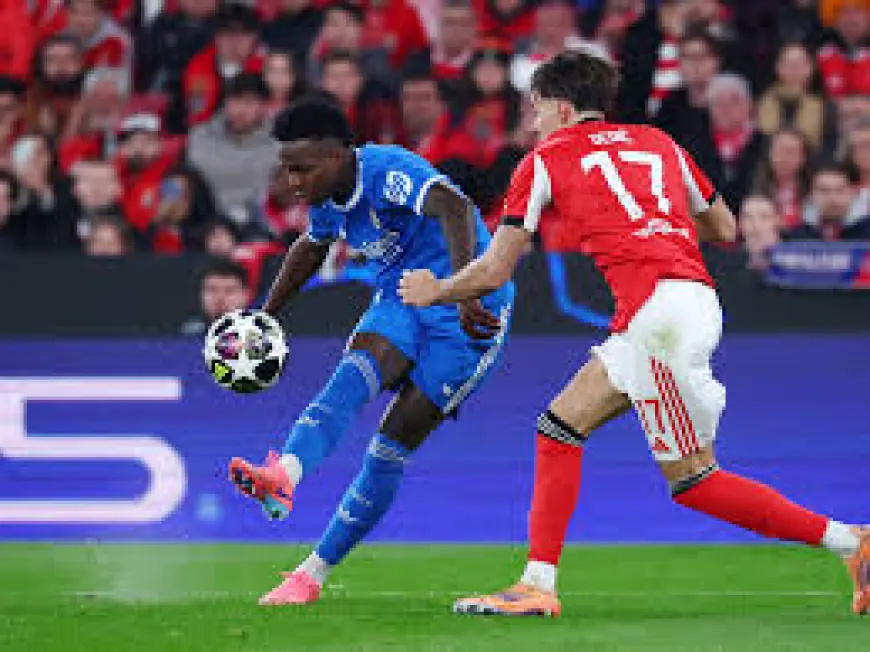
Benfica and Real Madrid prepare to meet in a Champions League tie that promises a mix of raw intensity and strategic nuance. Both clubs arrive with momentum domestically and continental ambitions, but differing strengths mean this will be a genuine test of adaptability for managers and players alike.
Team news and selection headaches
Injuries and rotation are shaping selection decisions on both sides. Benfica must balance a squad built around pace and pressing with the need to control the midfield against a technically gifted opponent. Expect the home side to stick with a front line that prioritizes vertical movement and transitions, while their coach may opt for a compact midfield pairing to limit space between the lines.
Real Madrid face the opposite challenge: how to break down a disciplined defensive block without surrendering control in dangerous areas. The visiting manager is likely to favor a midfield capable of retaining possession and shifting quickly to the flanks, with full-backs providing width. Rotation risk is real for Real Madrid after a packed domestic schedule, so spot minutes for fringe attackers and a cautious approach to fitness management are probable themes.
Tactical matchup and key battles
This tie will likely be decided in key micro-battles rather than an all-out tactical overhaul. Benfica’s most dangerous moments come from quick outbursts behind opposing lines and set-piece routines; neutralizing those will require discipline from Real Madrid’s backline and alert midfield screening. Expect tight marking on the second ball and an emphasis on limiting clear chances inside the box.
Conversely, Real Madrid will aim to control possession and probe for openings, relying on quick one-twos and half-spaces to erode Benfica’s structure. The battle for central control will be decisive: if Benfica’s midfield can force turnovers in transitional zones, they can spring counters and exploit space before Real Madrid’s defensive shape regroups. On the other hand, if Real Madrid’s midfielders successfully pull strings and open channels to the wings, their wingers and overlapping full-backs can overload wide areas and create high-quality chances.
Set pieces could also be pivotal. Both teams have shown an ability to convert dead-ball situations, and a single moment from a corner or free kick can swing the tie. Expect careful attention to defensive marking schemes and strategic use of substitutions to influence aerial duels late in the game.
What’s at stake and possible scenarios
Beyond progression in Europe, this fixture carries broader implications. A Benfica win would reaffirm their growth on the continental stage and boost confidence domestically. For Real Madrid, advancing would be a reminder of their depth and resilience in knockout football.
Practical scenarios to watch: a narrow, low-scoring win for Benfica achieved through disciplined defense and clinical counterattacks; a control-dominated victory for Real Madrid through midfield mastery and wide play; or a tense draw that leaves the tie open for a decisive second leg. Managers will likely prioritize not losing at home or avoiding conceding away goals that can change the strategic calculus for the return match.
Coaches on both benches are expected to deploy proactive plans while keeping tactical flexibility. Substitutions in the second half—introducing fresh legs to chase a goal or to shore up the defense—could determine how the match unfolds. Ultimately, the benfica - real madrid tie should come down to which team better executes its game plan under pressure and adapts to the evolving rhythms of the match.