






















Tony Blair Says He Will Continue Public Role Amid New Commentaries on Middle East Policy

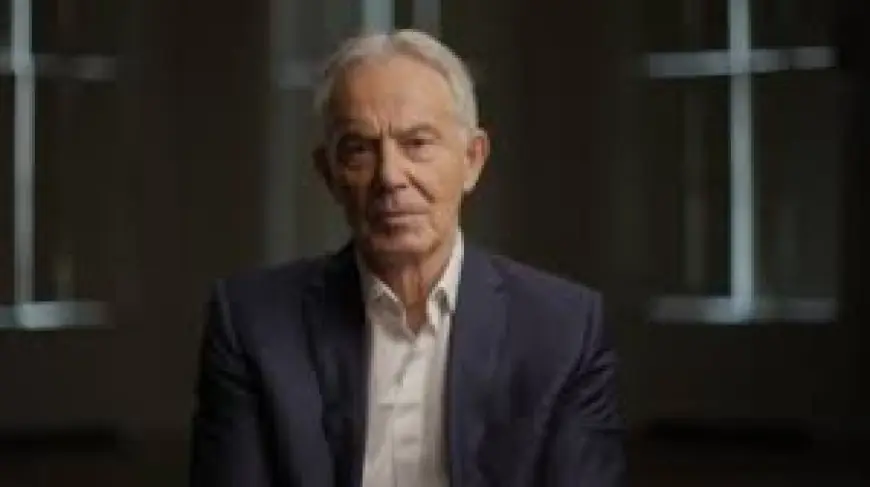
Former prime minister Tony Blair has reaffirmed his intention to remain active in public life as debate intensifies over policy responses to the Middle East. Blair, long associated with efforts to mediate regional disputes, set out his views in a recent public appearance, defending elements of his past approach while arguing for renewed international engagement.
Defending past choices while advocating new diplomacy
Blair acknowledged that some of his previous decisions continue to attract sharp criticism, but he urged critics to focus on outcomes rather than political point-scoring. He framed his record in the context of complicated regional dynamics, arguing that sustained diplomatic effort and close engagement by international partners remain essential to any realistic progress.
Highlighting the necessity of a long-term framework, Blair emphasized that short-term tactical responses cannot substitute for a coherent strategy aimed at preventing further conflict and humanitarian suffering. He said that successful policy must combine immediate relief efforts with durable political solutions that address root causes.
Plans to stay engaged and influence policy debates
Blair confirmed he intends to continue speaking publicly, advising institutions and participating in international forums where his experience can be brought to bear. He described his role as one of an advocate for pragmatic diplomacy instead of partisan advocacy, signaling a desire to work across political lines to shape policy discussions.
Observers noted that Blair’s continued engagement comes at a time when public debate over the appropriate international response is particularly intense. He suggested that experienced figures can help bridge the gap between emergency humanitarian responses and longer-term political initiatives.
Reactions and the wider context
Reaction to Blair’s comments was mixed. Supporters welcomed his determination to remain involved and stressed the value of institutional memory in addressing complex crises. Critics reiterated longstanding concerns about choices made in office and urged caution about proposals that do not fully account for local political realities.
Analysts say the discussion around Blair’s remarks underscores broader tensions in contemporary foreign policy debate: how to balance urgent humanitarian needs with strategic, long-term objectives, and what role former leaders should play in shaping public discourse. As new initiatives and proposals emerge, Blair’s interventions are likely to remain a focal point in conversations about how best to respond to the region’s challenges.
Blair’s recent statements add to a continuing stream of commentary from experienced figures seeking to influence policymakers at a time when the international community faces difficult choices about engagement, aid and political strategy. He emphasized that whatever the disagreements, the overriding priority must be to reduce suffering and create conditions where sustainable politics can take root.