





















Carolyn Bessette Kennedy: New Revelations Renew Public Fascination

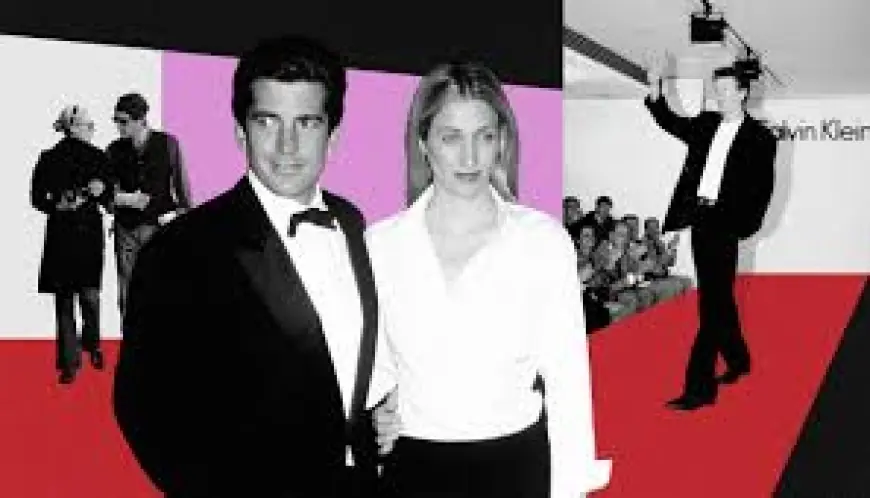
New archival material and contemporary commentary have reignited interest in Carolyn Bessette Kennedy, the private figure who became an enduring cultural icon after her marriage to John F. Kennedy Jr. Sources that recently surfaced cast fresh light on her personality, fashion influence and the persistent mysteries surrounding her death, prompting renewed discussion about how she has been remembered and represented.
Unreleased interviews and archival notes spark fresh scrutiny
In recent weeks, previously inaccessible interviews and personal notes from acquaintances and archival collections have emerged into public view, offering previously unseen glimpses of Bessette Kennedy's life. The materials emphasize aspects of her private nature—her reluctance to live in the public eye, her close circle of friends and her precise approach to style and personal presentation.
Observers say the newly surfaced content underscores the contrast between the intense media scrutiny that followed her marriage to the son of a prominent political family and the life she preferred: quiet, selective and fiercely private. Several of the documents include recollections that paint her as both guarded and exacting, a woman keenly aware of how she presented herself yet determined to maintain personal boundaries in an intrusive media landscape.
Style, legacy and the continuing debate over portrayal
Beyond the biographical details, renewed attention has prompted cultural commentators and fashion historians to revisit Bessette Kennedy's lasting influence. Her minimalist, tailored aesthetic has been cited repeatedly in the resurfaced commentary as a template for modern American elegance—sharp tailoring, neutral palettes and an insistence on refinement over flash. Discussions around these archives have highlighted how her look continues to resonate with designers and public figures who cite her as an inspiration.
At the same time, critics question how media portrayals—both at the time of her life and in later retrospectives—have shaped her legacy. The reappearance of intimate records has provoked debate about the ethics of reporting on figures who actively sought anonymity and whether renewed public interest risks reinforcing invasive narratives. Some commentators argue that the new materials humanize her and correct caricatures, while others warn that repeated excavations of her life can reopen wounds for surviving friends and family.
Ongoing public fascination and what comes next
The uptick in attention has also revived interest in the unanswered questions that continue to surround the circumstances of the plane crash that killed Bessette Kennedy, her husband and his sister. While official investigations long ago concluded the cause, renewed reporting and commentary often circle back to how tragedy shaped public memory. Legal experts and family representatives have reiterated that the official findings remain unchanged even as public curiosity persists.
For now, renewed coverage appears likely to continue, driven by a mix of newly available archival material, anniversary milestones and continued cultural interest in her image. Analysts expect more retrospectives and potentially curated exhibitions or publications that will attempt to balance historical documentation with respect for privacy. Whatever form future coverage takes, Carolyn Bessette Kennedy's blend of reticence and style ensures she remains a subject of fascination more than three decades after her death.
All times ET.