























Taiwan Tightens Military Drills and Diplomatic Outreach Amid Heightened Regional Tensions


TAIPEI — Taiwan’s government has expanded military exercises and intensified diplomatic outreach this week as concerns grow over escalating activity in the region. Officials emphasize that the moves are defensive, aimed at strengthening readiness and international ties while signaling a desire to avoid conflict.
Increased Military Activity and Readiness Measures
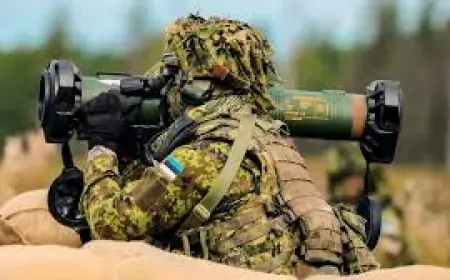
Taiwan’s armed forces announced an uptick in training operations, including live-fire drills, simulated air-defense exercises and combined-arms maneuvers designed to test rapid response across several islands. Military leaders described the programs as routine readiness checks but said the scale and tempo of the drills reflect a need to adapt to a more contested environment.
Officials noted stepped-up aerial monitoring and naval patrols as part of a layered deterrence posture. The military also highlighted efforts to accelerate reserve mobilization training and to modernize command-and-control systems. Authorities stressed these measures are defensive and intended to reassure the public and partners that Taiwan can protect its territory and maintain secure lines of communication.
Diplomacy and International Engagement
Alongside the security moves, Taiwan’s diplomatic corps has increased engagement with regional partners and like-minded democracies. Government spokespeople say the outreach focuses on economic cooperation, technology partnerships and humanitarian ties, as well as security dialogues that stop short of formal alliances.
Leaders are framing diplomacy as a complement to defense: deepening practical cooperation on trade, semiconductor supply chains and crisis response while advocating for stability in the Taiwan Strait. Messaging emphasizes transparency and adherence to international norms, with officials urging de-escalation and dialogue instead of actions that could inflame tensions.
Domestic and Regional Reactions
Inside Taiwan, political leaders and analysts are delivering a cautious, unified tone: firm preparedness blended with calls for calm. Lawmakers have debated emergency preparedness measures and bolstered civil-defense messaging to help citizens understand contingency plans. The government is also briefed on steps to protect critical infrastructure and ensure continuity of essential services.
Neighboring countries and regional capitals are watching closely. Diplomatic partners have expressed concern over rising tensions while urging restraint. Regional security experts warn that miscalculation or heightened military posturing could produce unintended escalation, and they call for mechanisms to prevent incidents that could spiral into broader confrontation.
Taiwan’s leadership says the current mix of heightened drills and broader diplomatic ties is meant to deter coercion, reassure the population and preserve stability. Officials emphasize that Taiwan does not seek conflict and will continue to advocate for peaceful resolution and continued engagement with international interlocutors.