



















Rupert Lowe launches Restore Britain as national party

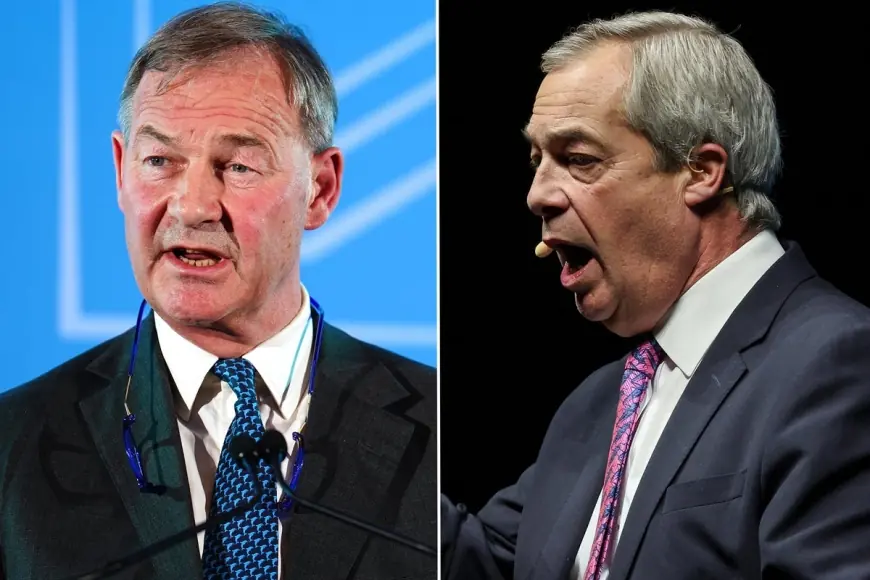
Rupert Lowe, the MP for Great Yarmouth who was elected in July 2024 as a Reform UK candidate but now sits as an independent, has formally converted his Restore Britain movement into a national political party. The announcement came at a packed local event on Friday night, where Lowe set out plans for an umbrella organisation that would partner with locally based groups and contest future elections.
From movement to party: what Restore Britain aims to be
Lowe first established Restore Britain as a political movement after his suspension from his former party in March 2024. The new party is positioned as an umbrella vehicle designed to bring together locally rooted groups under a national banner, with the intention of offering a right‑of‑centre alternative to existing options. Lowe has indicated that his own local project, Great Yarmouth First, will be a partner of Restore Britain and that he expects to stand for re‑election in Great Yarmouth under that local label backed by the national organisation.
On the stage at the launch event, Lowe outlined an explicitly nationalist, populist pitch that he says responds to a perceived disconnect between mainstream politicians and voters. He has framed Restore Britain as a party that will prioritise local concerns and assert a tougher stance on immigration and national identity, arguing there is room in the political landscape for another force on the right that claims independence of mind from established party hierarchies.
Political fallout and local ambitions
The move to formalise Restore Britain has already prompted fallout among figures who had been involved in an advisory capacity while it was a movement. Two senior Conservative figures who had been linked to the project are stepping back from the board now that the initiative has become a registered national party. Lowe’s elevation of his local vehicle into a national project is likely to intensify scrutiny of how competing right‑wing groups will coexist ahead of any future general election.
Lowe’s suspension from his former party followed allegations that he had made threats against a senior party official; the Crown Prosecution Service later concluded there was insufficient evidence for a realistic prospect of conviction. He has vehemently denied wrongdoing and framed his departure as part of a broader row with his former colleagues. The MP’s reputation as a maverick who is willing to break with party discipline has been frequently noted by regional political commentators, who say he appeals to voters frustrated with mainstream politicians.
What this could mean for the wider right‑wing vote
Political strategists warn that the creation of another right‑of‑centre party could fragment the vote in closely contested seats. In constituencies where margins are tight, even modest shifts in support can change outcomes. Lowe’s supporters argue that a new party built from local partnerships can tap into community concerns more effectively than larger national organisations, while critics say the proliferation of small national projects risks diluting influence and handing advantage to larger parties.
Locally, Lowe has emphasised his record as a businessman and farmer and his experience as a former football club chairman. Nationally, Restore Britain will test whether a platform combining localism and hard‑line stances on immigration and sovereignty can attract sustained backing beyond its Norfolk base. For now, the party’s immediate focus appears to be consolidating local partners and building organisational capacity ahead of the next round of elections.
As the new party seeks to expand, attention will remain on whether it can translate a high‑energy launch into durable political infrastructure — and whether its rise reshapes competition on the right in marginal battlegrounds in the months ahead.