



















Inside the Año Nuevo Lunar 2026: What the Year of the Fire Horse Could Bring

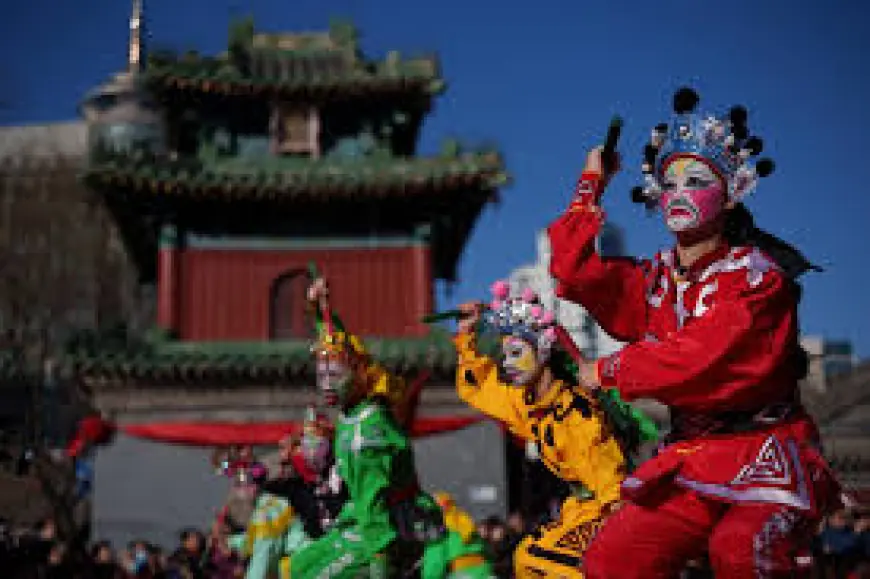
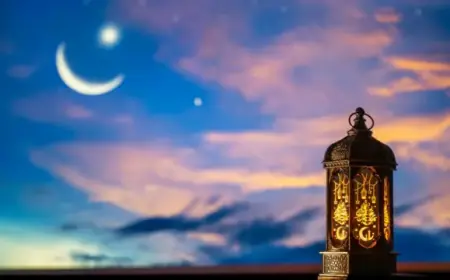
The start of the Año Nuevo Lunar in 2026 brought bold imagery and hopeful forecasts as communities around the globe celebrated the ushering in of the Year of the Fire Horse. Street parades, lanterns and traditional rituals highlighted a holiday marked by both spectacle and reflection.
Tradition and spectacle: global celebrations
Photographs from cities worldwide captured the vivid colors and choreography that accompany Lunar New Year festivities. Dragon and lion dances filled major thoroughfares, while neighborhoods hosted lantern displays, fireworks and family gatherings that emphasized continuity and community. For many participants the event combined religious observance with an opportunity to reconnect with family and cultural roots after a season of travel and planning.
Beyond large parades, smaller community centers staged more intimate rituals: offerings at temples, red envelopes exchanged among relatives, and communal meals centered on symbolic foods meant to bring prosperity. Street vendors and cultural groups used the occasion to present traditional music and modern reinterpretations of age-old customs, illustrating how the holiday adapts while preserving its core meanings.
What the Year of the Fire Horse symbolizes
Astrologers and cultural commentators highlighted the Fire Horse as a symbol of intensity and upheaval, but also of decisive change and personal reinvention. Historically, horse years are associated with movement, ambition and independence. The addition of the fire element is often interpreted as amplifying energy, fostering rapid transformation and heightening passions.
For individuals, that combination is being framed as a mixed signal: it can favor entrepreneurial leaps, career shifts and bold personal decisions, yet it also calls for caution amid volatility. Advisors suggest balancing risk with preparation, and many families used the holiday as a moment to set intentions for the year—whether through renewed career goals, relationship commitments or creative projects.
On a broader scale, the Fire Horse has been invoked as a metaphor for social and economic momentum. Observers noted that nations and cities marking the lunar calendar may face accelerated policy debates, market swings or cultural shifts that mirror the symbol’s dynamism. Community leaders encouraged turning energy into constructive action: investing in local initiatives, fostering dialogue and embracing adaptive strategies for change.
Coverage challenges and public reaction
While visual storytelling dominated the holiday narrative, there were also practical obstacles that affected how some audiences experienced coverage. In select markets, technical access problems interrupted live streams and online galleries, leaving users unable to view certain events in real time. Organizers and broadcasters scrambled to reroute content and post highlights after those outages, underscoring the tension between high demand for on-the-ground imagery and the limits of distribution systems.
Public reaction blended celebration with commentary. Social feeds filled with images of parades and family tables, while opinion pieces and community forums debated what the Fire Horse might mean for the months ahead. Many voices emphasized the holiday’s power to unite: regardless of forecasts, the Año Nuevo Lunar served as a reminder of shared traditions and the resilience of communities that gather each year to mark new beginnings.
As the calendar turns through 2026, the imagery and symbolic language birthed by this year’s celebrations are likely to influence individual choices and public conversations alike. Whether the Fire Horse’s promise is seen as a call to bold action or a warning to proceed with care, this Año Nuevo Lunar has already left a vivid imprint on cultural life worldwide.