























Lunar New Year 2026 Arrives: Chinese New Year Kicks Off the Year of the Fire Horse in the Chinese Zodiac

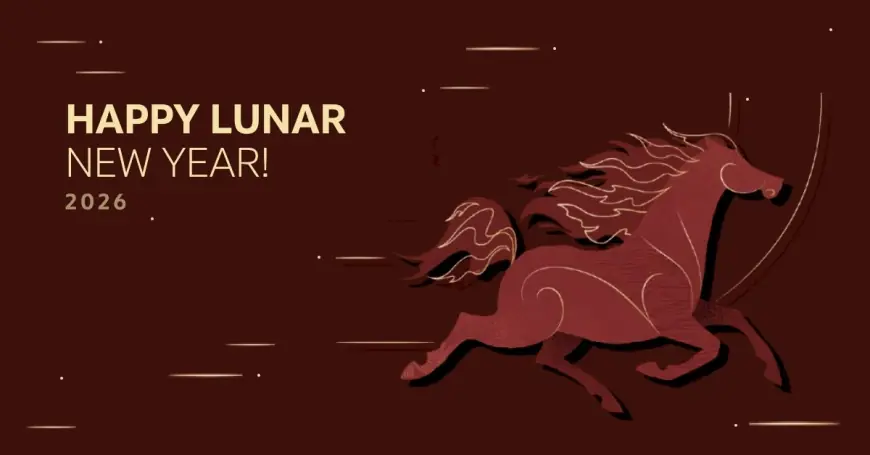
Lunar New Year 2026, also widely called Chinese New Year, lands on Tuesday, February 17, 2026 in U.S. Eastern Time, launching the Year of the Horse in the Chinese zodiac. This year is more specific than “Horse” alone: it is the Year of the Fire Horse, a rarer pairing that shows up once every 60 years. The holiday’s opening day is when many families and communities mark the reset, but the festival season typically stretches for about 15 days, ending with the Lantern Festival on Tuesday, March 3, 2026 in Eastern Time.
When is Chinese New Year 2026, and what is Lunar New Year
Chinese New Year 2026 falls on February 17, 2026 in Eastern Time. The date moves each year because it follows a lunisolar calendar rather than the fixed January-to-December calendar most Americans use. “Lunar New Year” is an umbrella term: multiple cultures across Asia and around the world celebrate new-year traditions tied to lunar-based calendars. “Chinese New Year” often refers to the Chinese cultural tradition in particular, including family reunions, red decorations, gift-giving in red envelopes, and public festivities like dances, fireworks where permitted, and temple visits.
The timing matters beyond symbolism. The holiday period drives one of the largest annual waves of travel and family gathering, and it can temporarily reshape business schedules, shipping timelines, and staffing patterns in industries connected to East Asia.
Year of the Horse 2026: Why the Fire Horse label matters
The Chinese zodiac runs on a 12-animal cycle, but there’s a second layer: a five-element cycle that combines with the animals to form a 60-year rotation. That is why 2026 isn’t just the Year of the Horse, but the Year of the Fire Horse.
In popular zodiac storytelling, the Horse is associated with movement, drive, independence, and momentum. Add “Fire,” and many celebrants lean into themes of intensity, speed, boldness, and ambition. Whether you treat zodiac readings as spiritual guidance, cultural metaphor, or just seasonal fun, the Fire Horse framing tends to amplify a “go” signal: start the project, take the trip, make the pitch, say the thing you’ve been rehearsing.
Behind the headline, that symbolism becomes a shared language. It gives families, brands, community groups, and cultural institutions a narrative hook for events, performances, limited-time menus, product packaging, and public programming.
Chinese zodiac signs and Chinese New Year animals: the full list
The 12 Chinese New Year animals, in order, are:
Rat, Ox, Tiger, Rabbit, Dragon, Snake, Horse, Goat, Monkey, Rooster, Dog, Pig.
If you’re looking up “Chinese zodiac years,” the key detail is that the zodiac year does not align perfectly with a January 1 start. Many people use Lunar New Year as the practical cutoff: someone born in January or early February might fall under the prior animal sign depending on the exact birth date and the year’s Lunar New Year date.
Happy Lunar New Year 2026: how to say Happy New Year in Chinese
Common ways to say “Happy New Year” in Chinese include:
-
新年快乐 (Xīnnián kuàilè) — Happy New Year
-
恭喜发财 (Gōngxǐ fācái) — Wishing you prosperity
-
春节快乐 (Chūnjié kuàilè) — Happy Spring Festival
In everyday use, people often pair a greeting with wishes for health, peace, and success, especially when visiting elders or hosting friends.
The “doodle” effect: why holiday visuals matter now
A major search engine’s home-page “doodle” celebrating Lunar New Year 2026 is a small moment with an outsized ripple. These illustrations can function like a global push notification for culture: they remind casual observers that the holiday is happening, they nudge people to learn the zodiac animal for the year, and they can prompt last-minute participation in local events. For diaspora communities, that visibility can feel like recognition; for businesses, it’s a signal that public attention is peaking right now.
What we still don’t know, and what to watch next
Even when the date is fixed, the story develops in real time because celebrations are local and conditions vary. Key missing pieces to watch:
-
How travel volumes and local crowd management play out over the festival period
-
Whether fireworks restrictions, weather disruptions, or safety rules change planned events
-
How quickly “Fire Horse” themes show up in marketing, pop culture, and community programming
-
Which cities see the biggest public gatherings and which shift to smaller neighborhood events
What happens next: realistic scenarios with triggers
-
Bigger public celebrations if weather cooperates and city permits align with demand.
-
More family-centered gatherings if travel costs or logistics squeeze long-distance trips.
-
A spike in restaurant demand and takeout traffic during reunion dinners and weekend events.
-
Increased interest in zodiac content and gifting traditions as schools and workplaces host cultural moments.
-
A second wave of festivities heading into the Lantern Festival on March 3, 2026, especially in neighborhoods with established parades and night markets.
Lunar New Year 2026 isn’t only a calendar change. It’s a coordination point for family life, cultural identity, commerce, and community visibility—now framed by the kinetic symbolism of the Year of the Fire Horse.