
























Pam Bondi’s combative hearing fuels questions about oversight and temperament

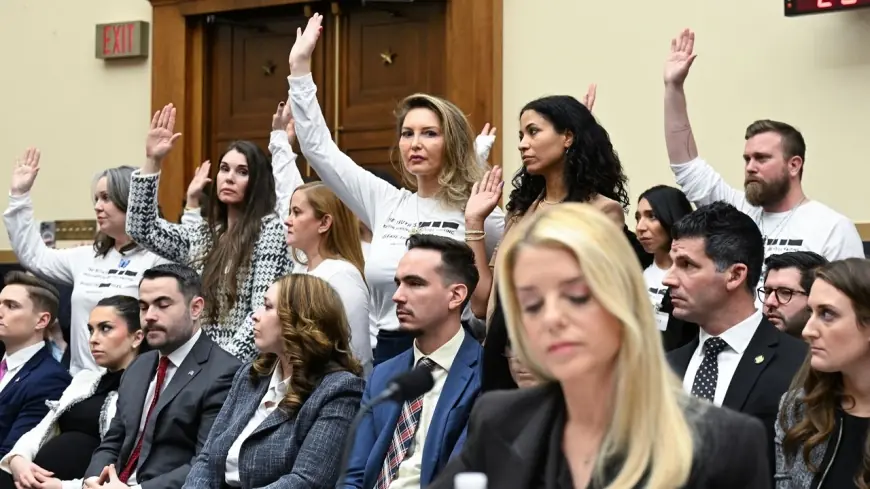
Attorney General Pam Bondi spent a marathon session with lawmakers that devolved into a spectacle of barbed retorts, strategic deflection and partisan theater. The four-and-a-half-hour hearing on Wednesday (ET) highlighted both her confrontational approach to oversight and renewed pressure over the Justice Department’s handling of sensitive matters, including the Jeffrey Epstein files.
What happened in the hearing
What was intended as an oversight hearing turned into a bruising back-and-forth as Bondi repeatedly clashed with members of the House Judiciary Committee. At points the session resembled a courtroom sparring match: sharp exchanges, raised voices and sustained interruptions. Bondi directed stinging insults at several committee members, telling one, “You don’t tell me anything, you washed-up loser lawyer. Not even a lawyer. ” She also challenged another member by declaring, “You’re about as good of a lawyer today as you were when you tried to impeach President Trump, ” and cut off questioning with the curt, “Your time is up. ”
Bondi’s approach cut across party lines. She used pointed attacks on Democrats who pressed her for lists of designated groups and questioned domestic terrorism designations, and she also turned on Republicans who had pushed for further public access to Justice Department files related to Jeffrey Epstein. When pressed by a member who has sought the release of those files, Bondi dismissed the lawmaker’s efforts with scorn, labeling him a “failed politician” and accusing him of suffering from “Trump Derangement Syndrome. ”
Tactics, tone and the binder that became a prop
Throughout the hearing Bondi leaned on a familiar playbook: deflection, comparisons to prior administrations and direct personal attacks on questioners. She came prepared with a tabbed binder that she used to target individual lawmakers and reference criminal activity in their districts—what one committee member called a “burn book. ” That tactic reinforced an aggressive posture that left fellow legislators frustrated and frequently stymied attempts to extract substantive answers.
Her answers often moved from evasive to combative, employing whataboutism to redirect scrutiny toward predecessors or opponents rather than addressing specific lines of inquiry. When asked about procedural or public-safety information, Bondi combined indignance with disdain for lawmakers who pushed for more transparency, at one point telling a member bluntly that they “don’t get anything regarding public safety, nothing. ”
Political fallout and oversight implications
The hearing underlined the broader political stakes for the Justice Department. Bondi’s hardline defensive posture and repeated refusals to provide detailed responses may harden oversight demands in the short term, prompting renewed calls for document production and further questioning of departmental priorities. The exchange over the Jeffrey Epstein files, in particular, could sharpen focus on how the department balances confidentiality, investigative integrity and congressional oversight.
Beyond procedural consequences, the session raised questions about the Attorney General’s temperament and willingness to engage productively with Congress. Lawmakers on both sides of the aisle expressed frustration at the tone and tactics used during the hearing, and the spectacle risks overshadowing substantive debate on law-enforcement priorities and policy. For an attorney general who has positioned herself as a staunch defender of the administration she serves, the hearing made clear that aggressive partisan posturing can complicate routine oversight and deepen institutional tensions.
As congressional committees weigh follow-up steps, the hearing is likely to be cited in future oversight negotiations and in public discussions about accountability at the Justice Department. For now, the session stands as a vivid example of the intersection between legal stewardship and political theater in Washington.