

















Emerald Fennell’s Wuthering Heights Sparks Split Reaction Over Romance, Casting and Tone

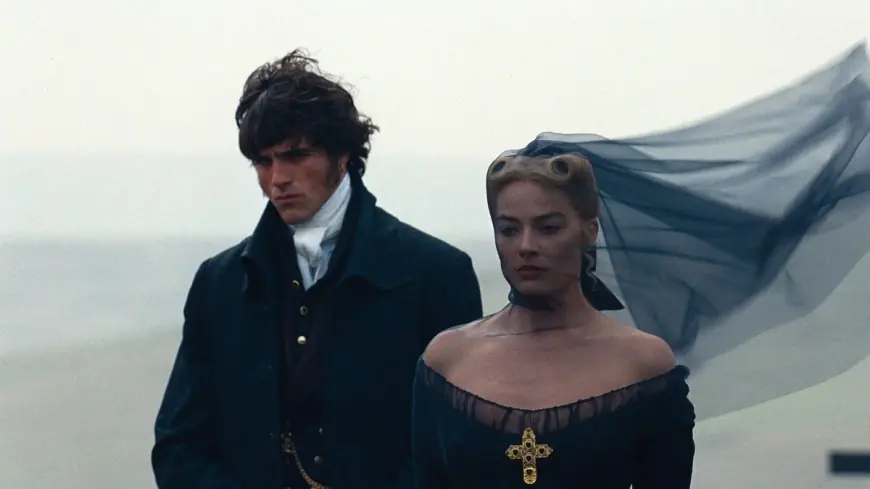
Emerald Fennell’s 2026 adaptation of Wuthering Heights opened this weekend, prompting polarized responses from critics and audiences. Some reviewers argue the film loses the novel’s peculiar, destructive romance; others and many early viewers have celebrated the casting and the film’s heightened sensuality. The debate now centers on whether the new version honors Emily Brontë’s unsettling original or reshapes it into something else entirely.
Critics: a classic made less strange, less romantic
One prominent opinion assessment has been blunt: the film, as a love story, does not deliver the novel’s essential strangeness or emotional force. The novel’s power, that critique notes, comes from its blending of savage obsession and intergenerational ruin with a redemptive strand, a combination that is simultaneously terrifying and oddly sustaining. In the view of that writer, Fennell’s adaptation smooths many of those jagged edges, dialing down the brutality and the book’s nested, atmospheric structure so the movie reads as diminished rather than transposed.
That criticism argues the adaptation reframes the source material in ways that favor glamour and immediacy over the Gothic disquiet that made the original feel singular. Stripping away or softening episodes of cruelty and the novel’s raw, elemental landscape, the film is accused of losing the tension between destructive obsession and eventual redemption that scholars and devoted readers identify as the heart of the story.
Audiences and casting: fans swoon, controversy simmers
At private screenings, reactions have been markedly different: viewers have described loud, visceral enthusiasm for the leads, with some attendees calling the casting and chemistry a central draw. One packed showing at 3: 30 p. m. ET featured raucous responses whenever Jacob Elordi’s Heathcliff appeared on screen opposite Margot Robbie’s Catherine, and the film’s marketing as a heightened, modern take on the romance clearly resonated for many.
But that same casting has provoked its own controversy. Critics have raised questions about how Heathcliff’s racialized description in the novel has been handled, observing that the role has historically been portrayed in ways that engage with that complexity. The director’s choice to cast a conventionally handsome, tall Australian actor prompted accusations of whitewashing from some quarters, and reopened discussions about fidelity to the novel’s characterizations.
Beyond casting, the movie’s tone—its emphasis on sex, music and stylized moments—has elicited frustration from viewers who worry the adaptation romanticizes coercive control and domestic violence present in the text. The novel’s portrayal of psychological warfare, manipulation and generational trauma is integral to its moral ambiguity; critics complain that the film’s choices risk reframing abuse as erotic spectacle rather than a subject to grapple with ethically.
What’s changed and why the debate matters
Fennell’s version leans into contemporary pop textures—particularly a bold soundtrack choice—and a glossy visual sensibility that foregrounds spectacle. Those choices make the film immediate and provocative for modern audiences, but they also shift emphasis away from the book’s atmospheric restraint and its nested narrative voice. The result is an adaptation that some call a reinvention and others call a dilution.
Whether the film will be remembered as a daring reimagining or a miscalculation may depend on how viewers balance fidelity to source material with an appetite for reinvention. For purists, the novel’s strangeness is inseparable from its moral and narrative complexity; for others, an adaptation that foregrounds sexual chemistry and cinematic immediacy offers a different, if contested, way into the story.
As the film continues its rollout after the weekend opening, the discussion around romance, representation and what an adaptation owes its source is likely to intensify. The clash between those who want the novel’s original uncanny force preserved and those who embrace a newly sexualized, stylized take on the mythology ensures Wuthering Heights remains culturally combustible—if no longer predictably quaint.