
























Shrove Tuesday: From Elizabethan ale-doused batter to modern Pancake Day traditions

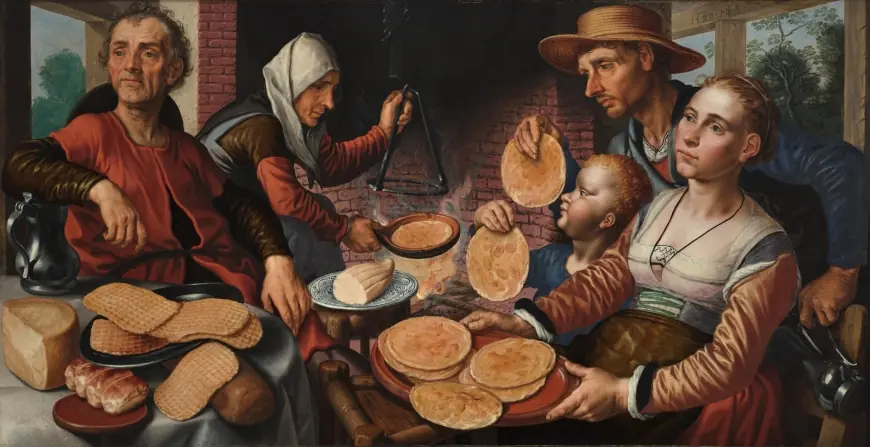
With Pancake Day on many calendars, the day historically known as shrove tuesday has long blended religious observance with practical cookery. The dish we call the pancake carries fingerprints of pantry-clearing necessity, spice-laden English taste, and culinary experiments that stretched back to the Elizabethan kitchen. The following traces how the recipe and the ritual around it evolved.
Clearing the larder: why pancakes became the hallmark of Shrovetide
The link between shrove tuesday and pancakes is rooted in the rhythms of pre-Easter fasting. Eggs, cream, butter and animal fats were among the foods people were meant to forgo during Lent, creating an incentive to use up rich ingredients in the days before the fast. Those ingredients naturally lent themselves to a quick, pan-cooked dish: batter mixed from eggs and dairy, fried in butter or animal fat, and finished with sugar.
Early English preparations sought crispness: batter was spread thin and fried until dry and browned, yielding a texture closer to a cracker than a modern fluffy pancake. They were commonly served hot with butter and a dusting of sugar, the simplicity of the accompaniments highlighting the richness of the ingredients that had just been consumed ahead of Lent.
Recipes that reveal a changing palate — ale, lard and exotic spices
Cookbooks from the 16th and 17th centuries show surprising ingredients in what looks like a familiar dish. One Elizabethan recipe blends a pint of thick cream with several egg yolks, a handful of flour and a few spoonfuls of ale, then seasons the mixture with sugar, cinnamon and a touch of ginger. The cooking technique involved browning a knob of butter until molten, then tipping out most of the fat and spreading the batter as thinly as possible in a low, tilted pan. Flip once one side was "baked" and continue until the pancake was dry and crisp but not burned.
Other period guidance recommends plain water in the batter rather than milk or cream to keep the finished pancake light and crisp. The frying medium varied — butter for sweetness, or seam (pig lard) for a savoury edge — and many recipes layered in warm spices: cloves, mace, nutmeg and cinnamon appear alongside simple salt and sugar. In that era, the lines between pancakes and fritters were blurred; a pancake with fruit or sweet additions might be called a fritter, while plain crisp pancakes were a household staple.
Contemporary eyewitness notes illustrate the domestic ritual. In the mid-17th century, a diarist recorded visiting a household where women were mixing pancake batter with their children on Shrove Tuesday, later dining on what he described as exceptionally good fritters. A period recipe manual marketed itself on the promise of delivering the best ways to make pancakes, fritters, custards and other delicate dishes commonly served in well-appointed homes, showing how central such recipes were to seasonal entertainments and family life.
From historic crispness to today’s Pancake Day
Over time, pancake recipes diversified. Industrial and domestic innovations brought new flours, raising agents and conveniences that produced the softer, fluffier pancakes many people expect now. Yet the Shrovetide impulse — using up rich ingredients before Lent — remains the cultural explanation for why communities across English-speaking countries mark this one day with flipping and feasting.
Today, the act of making pancakes on shrove tuesday often blends ceremony and competition: from family kitchens to local races and charity events, the simple task of ladling batter into a hot pan still binds the present to centuries of culinary practice. Whether the batter is spiked with ale and warm spices, fried in butter or lard, or mixed with modern raising agents, Pancake Day endures as a deliciously practical preparation for the austerity that follows.