























Jesse Jackson: How he paved the way for Barack Obama — and helped change the US

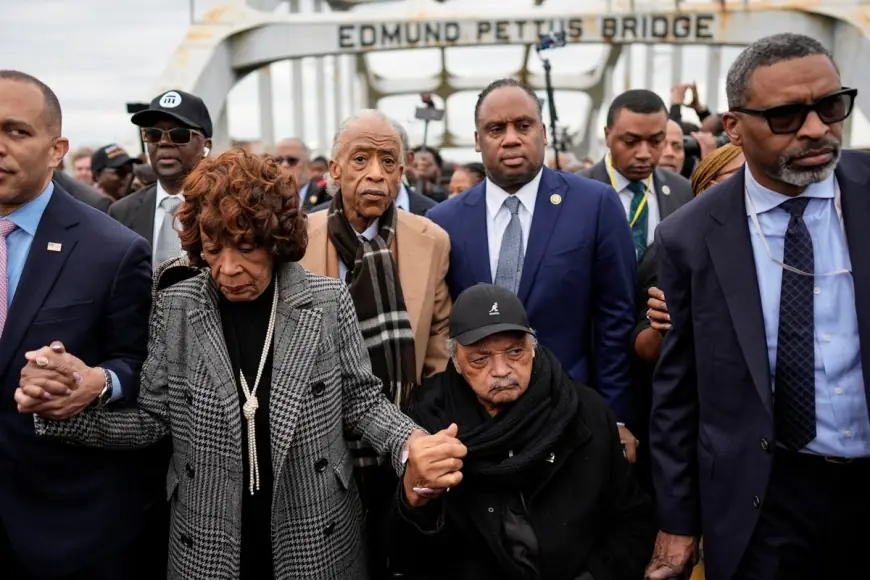
Rev. Jesse Jackson, a towering figure in the US civil rights movement and a two-time presidential contender, left a complex and consequential legacy when he died at the age of 84. From church pulpits to national campaigns, Jackson translated moral conviction into political pressure, broadening the terrain of American electoral politics and helping to clear a path for later historic breakthroughs.
From church to the national stage
Born Jesse Louis Burns on October 8, 1941, in Greenville, South Carolina, Jackson was raised in the Black church and came of age amid the segregated Jim Crow South. A protégé of Martin Luther King Jr., he distinguished himself early as an organiser and persuasive public speaker. He rose through the movement in the 1960s and, before his 30th birthday, was directing major campaigns that tackled segregation, economic inequality and systemic racism.
Jackson’s political instincts were shaped by a message that aimed to unite a diverse coalition of poor and working-class Americans. He promoted a multiracial, multiethnic vision of democracy and insisted that mainstream politics must address the material needs of those left behind. That orientation would mark the Democratic debate for decades and resonate in later campaigns that emphasized aspirational, inclusive language.
Two presidential bids and a lasting imprint on American politics
Jackson made history by taking his activism into the Democratic Party’s presidential nominating contests, mounting national campaigns that pushed issues of race, economic justice and international human rights onto the agenda. His 1988 convention speech, which closed with the refrain “keep hope alive, ” became part of the rhetorical lineage that later surfaced in the “hope and change” message of Barack Obama’s successful 2008 run.
Though he never secured the White House, Jackson’s campaigns helped diversify the party’s base, trained a generation of organizers, and demonstrated that African Americans could vie credibly for the nation’s highest office. Leaders who followed—winning firsts in the presidency and on the national ticket—entered a political landscape Jackson helped remodel. He also used his platform to press global causes, including anti-apartheid activism and international diplomacy.
Controversy, illness and a mixed legacy
Jackson’s later years were marked by both statesmanship and scandal. Revelations about marital infidelity and financial misconduct connected to his family and political network dented his public standing. His son, once a rising political figure, was implicated in financial improprieties that cast a shadow over the family name.
Health also curtailed his public life. A diagnosis first described as Parkinson’s disease in 2017 was later revised to progressive supranuclear palsy, a degenerative brain disorder with similar symptoms. He largely withdrew from daily public activities as his condition progressed.
Even so, tributes from across the political and civic spectrum highlighted Jackson’s role as a negotiator, bridge-builder and moral voice. Ministers, elected officials and civil rights leaders recalled his capacity to bring calm to tense rooms and to lift hopes in weary places. At the same time, critics and personal controversies complicated the picture of a leader who was at once inspirational and fallible.
Rev. Jesse Jackson’s life intersects many of the central currents of modern American history: the struggle for civil rights, the rise of identity and coalition politics, and the difficult transition from street movement to electoral institution. His oratory, organizing and ambition expanded who could be seen as a national political actor. That expansion altered the expectations of American democracy and helped make possible the breakthroughs that followed.