

























Pam Bondi’s Fiery Oversight Hearing Intensifies Scrutiny Over Epstein Files and Department Tone

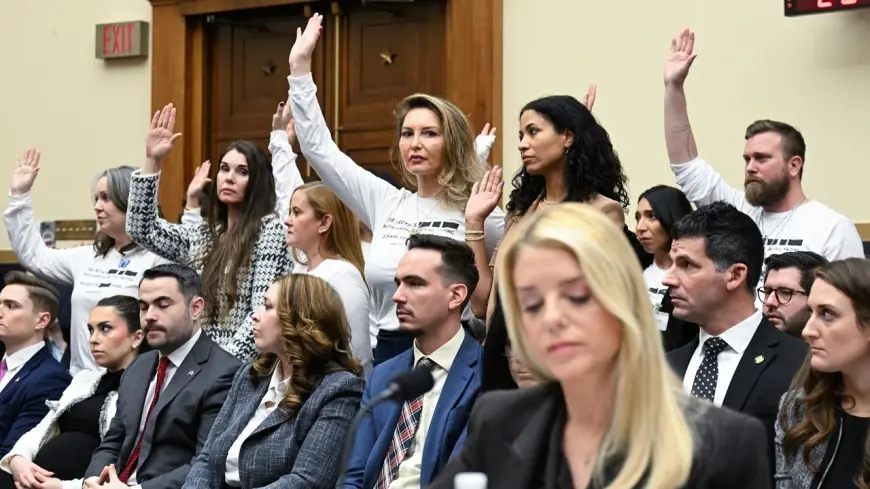
The Attorney General spent a four-and-a-half-hour session with members of the House Judiciary Committee on Wednesday (Eastern Time) that devolved into a confrontational exchange, featuring scathing rebukes of individual lawmakers, repeated what-aboutism, and renewed pressure over access to Justice Department materials tied to Jeffrey Epstein. The session underscored deep partisan divides and heightened questions about the department’s priorities and tactics.
Heated exchanges and an aggressive playbook
The hearing repeatedly veered away from routine oversight and into pointed personal attacks. The Attorney General challenged the credentials and motives of multiple committee members, at one point telling a ranking Democrat, “You don’t tell me anything, you washed-up loser lawyer, ” and trading sharp barbs with others who sought documents and explanations. She came prepared with a tabbed binder that members characterized as a roster of political ammunition—referring to it in testimony as a ready compendium to rebut or deride questioners.
Lawmakers who pressed for documentary evidence or a list of designated domestic terrorist groups were met with indignant refusals or counterattacks. The hearing included repeated references to treatment of predecessors and comparisons meant to deflect questions rather than directly address them. Republicans and Democrats both experienced the Attorney General’s confrontational style: party affiliation offered no shield from sharp retorts and public disparagement.
Epstein materials, a survivor’s remarks, and renewed demands
Concerns about access to files connected to Jeffrey Epstein resurfaced during the hearing. Members pointedly asked about efforts to release or withhold documents tied to the long-running investigations, pressing for transparency and accountability. The exchange came amid broader public anger, including statements from an Epstein survivor that starkly summarized distrust in how powerful figures and institutions respond to abuse: “People are willing to protect pedophiles if the price is right. ” Those sentiments framed some lawmakers’ lines of questioning and amplified calls for the department to produce records and explain its decision-making.
One lawmaker who has pushed for the release of the department’s Epstein files was singled out and rebuked by the Attorney General, who labeled him a “failed politician” and accused him of political posturing. The confrontation highlighted how inquiries into Epstein-related documents have become both a legal and a political flashpoint, merging demands for transparency with broader partisan warfare over the Justice Department’s conduct.
Broader implications for department oversight and public trust
Beyond the immediate flashpoints, the hearing laid bare tensions over the role and tone of the nation’s top law-enforcement office. The Attorney General repeatedly interwove praise for the President into answers that critics said diverted from substantive responses. Lawmakers pushing for more detailed explanations complained of evasive tactics: what began as a routine oversight session shifted into a performance that emphasized spectacle over document production.
The hearing’s confrontational tenor may further complicate oversight efforts. Members seeking cooperation from the department will now have to navigate an environment in which direct appeals are sometimes met with political counterattacks and public shaming. Advocates for victims and transparency warned that continuing clashes could erode public confidence in the department’s willingness to confront powerful actors and to be forthcoming with information tied to high-profile investigations.
As oversight continues, lawmakers signaled they will press for the release of additional materials and seek sharper accountability from the department. The episode is likely to reverberate in future hearings and legal battles, keeping the spotlight on how leadership in the Justice Department balances political loyalties, institutional norms, and the public’s demand for transparency.