

























Lent 2026 Begins Feb. 18 (ET): Ash Wednesday Packs Pews as Faithful Mark the Season

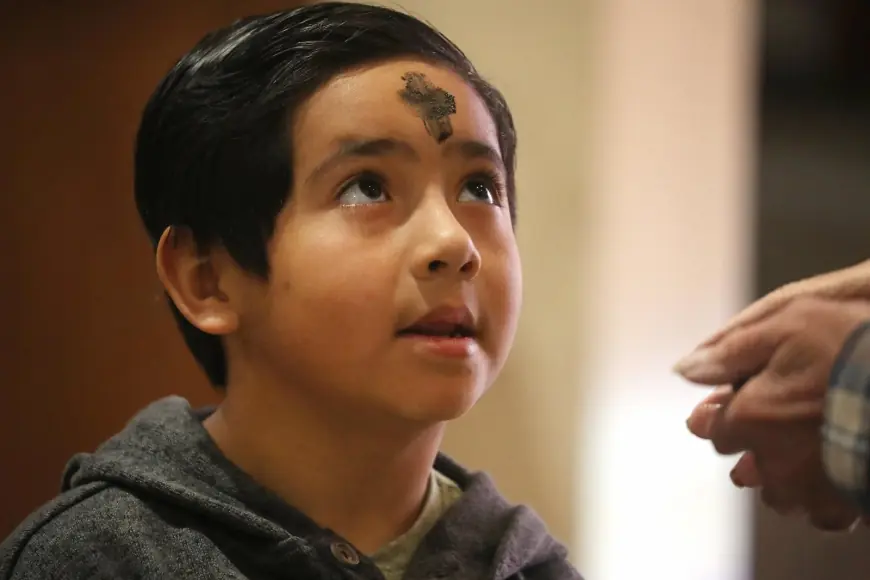
Ash Wednesday on Wednesday, Feb. 18, 2026 (ET) signals the start of Lent for Western Christians, and parishes are preparing for the familiar sight of packed pews as people turn out to receive ashes and begin 40 days of fasting, prayer and reflection leading into Easter Sunday on April 5, 2026 (ET).
Why Ash Wednesday draws so many
Even though Ash Wednesday is not a holy day of obligation, it routinely attracts one of the year’s highest Mass attendances, rivalling Christmas and Easter. For many, the ritual of receiving ashes — a smudge of ash on the forehead in the sign of the cross — acts as an outward expression of identity and a public marker of faith. The gesture is simple but unmistakable, and it often brings people who don’t attend weekly services back into the pews for a brief, deliberate moment of spiritual recommitment.
The ashes themselves carry layered meanings. They are traditionally made by burning the previous year’s palm fronds and have been used in Christian practice for centuries. The mark symbolizes human frailty and mortality and invites participants to reflect on sin and the need for reconciliation. For many attendees, that symbolic act serves as a portal into a quieter, more contemplative season — a ritual start to a period intended for spiritual renewal.
Clergy and liturgists stress that the external sign is meant to point toward internal change: the gesture of ashes should dispose the faithful toward repentance and a renewed commitment to the practices associated with Lent. Despite the strong turnout to receive ashes, the ritual does not always translate into increased participation in other penitential practices; confession and frequent sacramental observance do not see the same surge. Still, the communal act of marking Ash Wednesday remains a potent and visible moment for many congregations.
Key dates for Lent and Easter 2026 (ET)
The Lenten calendar for 2026 sets a clear arc for the season. Ash Wednesday falls on Feb. 18, 2026 (ET), beginning a span of penance and preparation that runs through Thursday, April 2, 2026 (ET). Those 40 days of fasting and prayer are counted in a way that reflects ancient practice: Sundays are traditionally not counted among the 40 days of Lenten fasting, preserving weekly celebrations of the Resurrection even amid penitential observance.
Holy Week begins with Palm Sunday and builds to Good Friday on April 3, 2026 (ET), when Christians commemorate the crucifixion. The season culminates in Easter Sunday on April 5, 2026 (ET), the principal feast celebrating the Resurrection. The date of Easter varies year to year because it is set by the lunar-based rule that places it on the first Sunday after the first full moon following the spring equinox.
The timing this year places Lent and Easter significantly earlier than in 2025, offering an earlier shift from winter to the liturgical season of spring and resurrection. In some Christian traditions that follow different calendars, related observances may fall on alternate dates, but for congregations using the common Western timetable, the dates above define the rhythm of public worship and private devotion through early April.
What to expect at services and how communities prepare
Parishes typically schedule multiple Masses and service times on Ash Wednesday to accommodate increased attendance, often adding evening services to capture those who work during the day. Those attending can expect a brief liturgy in which ashes are blessed and imposed; the priest or minister will place ashes on the forehead with a short phrase meant to remind worshippers of life’s fragility and the call to repentance.
For many worshippers, Ash Wednesday is both an end and a beginning: a moment to own human limitations and a communal starting line for a season of spiritual intention. As churches ready their sanctuaries for Feb. 18, 2026 (ET), the visible return of familiar and unfamiliar faces alike will underscore the enduring appeal of ritual moments that mark transitions in both the church year and the lives of the faithful.