























Why Norway Dominates the Winter Games but Struggles in Mens Hockey Olympics Play

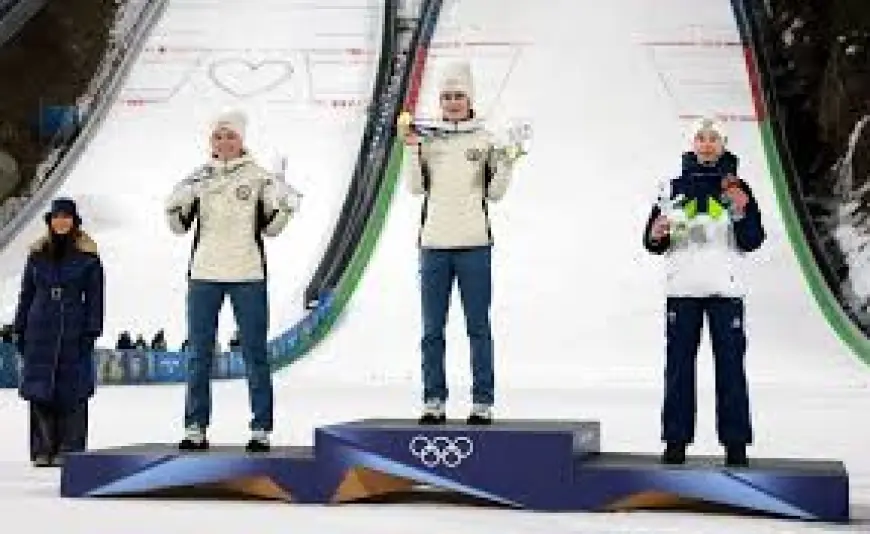
Norway sits atop this Winter Olympics medal table, yet its national presence in men’s ice hockey remains surprisingly small. The contrast between the country’s sweeping success in skiing and other winter sports and its inability to field a competitive Olympic hockey team has raised questions about development, infrastructure and culture within Norwegian sport.
Numbers expose the gap
On the surface the contrast is stark. Norway’s population of roughly 5. 6 million and its extraordinary winter-sport pedigree have not produced a deep pool of elite hockey talent. Only three Norwegian players have appeared in NHL games this season — a veteran standout who inspired a generation, plus two younger professionals — while neighboring hockey powers have produced dozens of top-league players. Registered participation is similarly lopsided: the two leading Nordic hockey nations each count well over 60, 000 registered players; Norway’s licensed-player total sits near 15, 000.
Infrastructure mirrors participation. Norway has 54 indoor rinks nationwide. By comparison, there are more rinks within a 100-kilometer radius of Sweden’s capital than in the entire Norwegian territory. That scarcity of year-round ice limits practice time, youth programming and the chance for talent to emerge across a broad geographic base.
Culture, geography and economics shape player pipelines
Several long-running explanations help account for Norway’s hockey shortfall. Culturally, winter sports such as cross-country skiing have produced visible, celebrated role models who dominate public attention and youth interest. Those role models draw parents and children into sports with lower costs and easier access, reinforcing participation patterns that favor skiing and other disciplines.
Geography plays a part as well. Much of Norway’s terrain is mountainous and naturally suited to skiing disciplines; wide stretches of flat ice-friendly terrain are less common than in neighboring countries. Economically, building and maintaining indoor rinks is expensive. Where facilities concentrate, development follows; where they do not, prospects for high-level hockey diminish.
Former national players and administrators have framed the absence from the Olympic tournament in stark terms. The men’s team failed to qualify for this Olympic cycle, and senior figures within the national hockey structure called the outcome “a sad thing. ” Missing the global stage eliminates a prime opportunity to promote the sport to youngsters and to galvanize funding and political support.
What it means going forward
The Norwegian system still produces standout individuals who make it to the highest professional leagues, and elite coaching exists in pockets around the country. But turning those isolated successes into a broad, sustainable national program will require investment in rinks, purposeful youth recruitment and creating visible pathways from local clubs to international competition.
Officials face a choice: lean into Norway’s winter-sport strengths while accepting a secondary role in hockey, or redirect resources to build a larger base of players and facilities. The latter option is costly and slow, and it must compete with sports that already dominate the public imagination and the sponsorship market.
For now, Norway’s Olympic narrative is one of duality — unrivaled dominance in many winter events, alongside a hockey program that remains on the margins. Whether a renewed focus on rinks, grassroots outreach and talent retention can close that gap will determine if the country’s next Winter Games chapter includes men’s hockey among its headline achievements.