
























How to Get to Heaven From Belfast: Lisa McGee’s female‑led caper reshapes the murder mystery

Lisa McGee’s latest series reunites a band of former schoolfriends around a funeral and a decades‑old secret, blending messy comedy with pulse‑quickening mystery. Early reaction highlights electric performances and McGee’s knack for mixing warmth and menace.
Plot and tone: comedy and suspense in equal measure
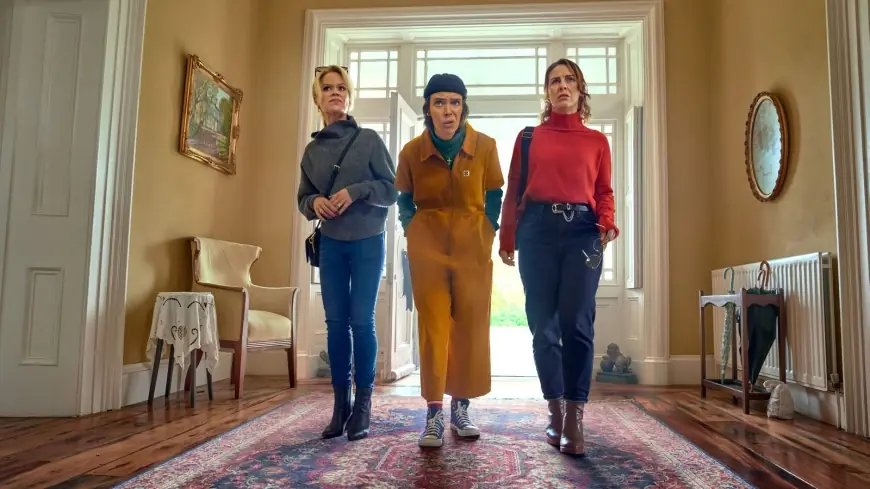
The story opens when three middle‑aged friends—Dara, Saoirse and Robyn—come together for the funeral of their fourth friend, Greta. What begins as a reunion quickly unspools into suspicion: the body in the coffin lacks a distinctive tattoo tied to a traumatic night in the friends’ youth, and the official explanation for Greta’s death feels thin. Saoirse, a crime writer by trade, pushes the others to investigate, dragging long‑buried secrets back into the light.
McGee leans into a familiar palette—wry, urgent dialogue and an affection for her characters—while steering the story into darker territory. Flashbacks to a burned forest shack, occult symbols and a threatening presence in the woods add an unsettling counterpoint to the show’s humour. The result is a frenetic caper that alternates between laugh‑out‑loud moments and genuine threat, often within a single scene.
Performances, characters and standout moments
Critical reaction has coalesced around the cast, with particular attention paid to the chemistry among the three leads and a sensational supporting turn that anchors the series’ emotional core. The actresses playing Dara, Saoirse and Robyn portray a believable, lived‑in friendship: they are abrasive, tender, pragmatic and petulant by turns, the kind of women whose loyalties were forged in adolescence and hardened by life.
Supporting players add muscle and menace. The husband of the deceased is a local authority figure whose quiet intimidation unsettles the protagonists at every turn. A matriarchal presence in the community amplifies the sense that Belfast itself is a character—steeped in memory, gossip and loyalties that complicate any straightforward search for truth.
Moments that juxtapose ordinary domestic frustrations with the weight of a possible crime feel particularly strong. A scene in which Robyn, juggling motherhood and a fraught marriage, confronts her own diminishing agency lands with both comic timing and sharp emotional resonance. These tonal shifts showcase McGee’s ability to write women who are complex and contradictory, and to wring narrative tension from their friendships as much as from external threat.
Creator’s perspective and what it means for viewers
McGee has long mined the collision of humour and hardship in Northern Irish life, and this series extends that interest into darker, more suspenseful terrain. She has spoken about a lifelong affection for murder mysteries and a desire to tell a female‑led story that retains a messy, comedic heart. Childhood memories of staging street plays and an upbringing shaped by the Troubles inform the show’s details, lending authenticity to its mix of banter and ballast.
For fans of McGee’s earlier work, the new series offers familiar DNA—sharp characterisation, local colour and a strong female ensemble—while taking risks with genre and pacing. For others drawn to mysteries with personality, it delivers brisk plotting, evocative setting and enough red herrings to keep viewers guessing.
In short, How to Get to Heaven From Belfast arrives as a crowd‑pleasing hybrid: a murder mystery that wants to make you laugh, and a comedy that isn’t afraid to frighten you. It’s both an evolution of McGee’s storytelling and a reminder that the best capers are propelled as much by friendship as by obsession.