
























Pam Bondi’s Combative Congressional Hearing Draws Fresh Scrutiny Over Epstein Files and Partisanship

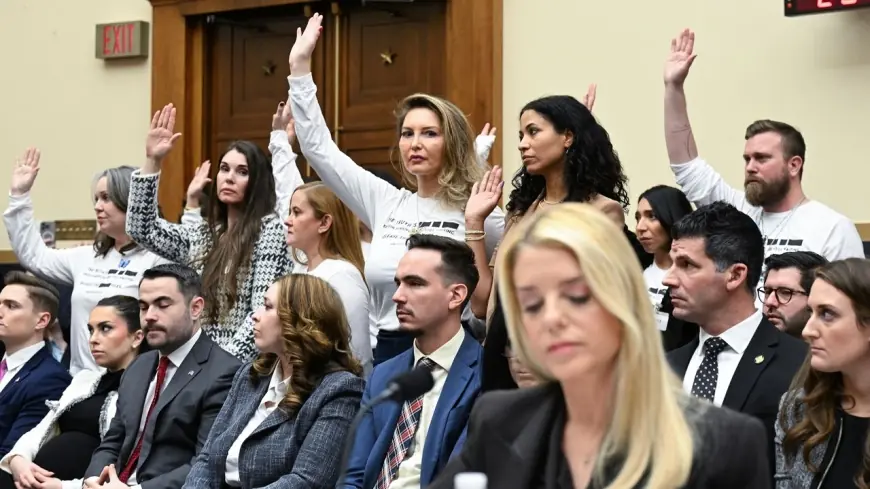
Attorney General Pam Bondi spent an extended oversight hearing sparring with members of Congress in a session that lawmakers described as both theatrical and unproductive. The marathon, four-and-a-half-hour hearing on Wednesday evening ET spotlighted sharp exchanges, a deliberate strategy of partisan deflection and renewed demands for access to Justice Department materials tied to Jeffrey Epstein.
Gloves-off exchanges dominate a marathon session
What was meant to be routine oversight quickly turned into an aggressive performance. Bondi at times spoke over questioners, dismissed lines of inquiry and used blunt personal barbs against legislators who pressed for documents and answers. Her responses ranged from insults — "you washed-up loser lawyer" — to pointed admonitions: telling a Democratic member his "time is up. "
Lawmakers on both sides of the aisle struggled to get substantive answers. The Attorney General repeatedly pushed back with what critics described as a playbook of deflection: challenging whether her predecessors had faced similar lines of questioning, pivoting to alleged misdeeds by lawmakers' constituents, and producing a tabbed binder that referenced individual members and arrests in their districts. The atmosphere oscillated between confrontation and mockery, undercutting efforts to extract clear commitments or produce relevant documentation on high-profile matters.
Epstein records and survivor outrage fuel the stakes
At the center of several lines of questioning were demands for transparency around files tied to Jeffrey Epstein. Those calls were amplified by survivors and advocates who have expressed frustration that powerful interests appear willing to shield abusers when the political or financial cost is manageable. One survivor's blunt assessment — "People are willing to protect pedophiles if the price is right" — framed the moral urgency behind the push for public access to investigatory materials.
When a Republican lawmaker sought release of Justice Department materials connected to Epstein, Bondi met the request with derision, labeling that member a "failed politician" and accusing him of political theatrics. That exchange underscored the cross-party fault lines: even those who have demanded greater transparency have been met with a mix of indifference and partisan rebuke from the Attorney General.
Political theater or strategy? The broader implications
Bondi's approach at the hearing mirrored a wider trend in which high-profile witnesses transform oversight sessions into media events. Her willingness to hurl insults, steer exchanges toward political opponents and lavish praise on the president blurred the line between legal stewardship and partisan advocacy. That posture raises questions about the effectiveness of congressional oversight when interactions are dominated by spectacle.
Observers say the immediate fallout is likely to be political rather than procedural. Hearing participants left with little new information, and advocates for the Epstein survivors signaled they will keep pressing for document releases and more thorough examinations. For members of Congress committed to uncovering investigative records, the session offered both a reminder of the difficulty of extracting cooperation and a renewed spur to seek alternative mechanisms to compel disclosure.
For the Attorney General, the hearing cemented a reputation for combative exchanges with lawmakers and a willingness to use hearings as platforms for political messaging. Whether that posture advances law enforcement priorities or merely deepens partisan stalemate will depend on how both branches proceed in the weeks ahead — and whether new pressure yields the transparency that survivors and many lawmakers continue to demand.