






















Tony Clark to Step Down as MLBPA Executive Director

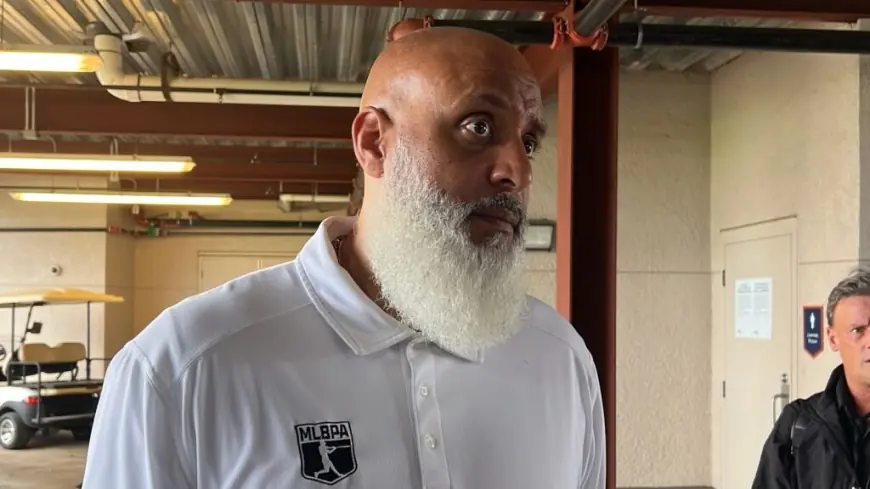
Tony Clark is preparing to resign as executive director of the Major League Baseball Players Association, a move announced early Tuesday that comes as federal investigators examine the union’s handling of licensing money. Clark, 53, has led the union since 2013 and had been scheduled to begin spring team visits on Feb. 17, 2026; the first meeting was abruptly canceled when the resignation became public.
Federal probe and questions about licensing and program spending
The resignation follows a federal inquiry by the Eastern District of New York into alleged improprieties tied to the union’s licensing revenue. Investigators have examined whether union executives improperly directed licensing-related assets and whether gifts of equity or insufficient disclosure occurred in joint ventures linked to the players association. The union also faces scrutiny over resources devoted to a youth baseball initiative that it owns and operates.
Those lines of inquiry center on the flow of licensing dollars and whether appropriate governance and disclosure standards were followed. The allegations include claims that Clark gave himself a stake in a joint-venture licensing entity and did not fully disclose how union resources were being allocated to the youth program. Clark has been at the center of those questions since the investigation began last summer.
Timing, canceled meetings and labor stakes
The timing of the resignation is significant. The current collective bargaining agreement expires on Dec. 1, 2026, and labor relations are already expected to be contentious. The last negotiation cycle produced a 99-day lockout and a transaction freeze. Many owners have said they want structural changes, including the possibility of a salary cap; the players’ union has historically opposed such a move and the executive director has played a lead role in staking out that position.
Clark’s exit comes just as the season and a scheduled series of team visits were about to begin. The cancellation of the first visit signaled the abrupt nature of the development and underscored how quickly union business had to be restructured. With less than a year until the CBA expires, the union faces an immediate leadership challenge at a delicate moment for bargaining strategy and public messaging.
Union leadership and next steps
Union officials have not named an immediate successor. A member of the union’s executive subcommittee said his understanding is that the resignation is tied to the federal probe, and that the subcommittee had not yet convened to discuss a permanent replacement. The deputy executive director currently serves as the union’s lead negotiator, but it remains unclear whether that arrangement will continue as the leadership transition unfolds.
How the union moves forward will be closely watched by players, teams and owners. The union must ensure continuity in bargaining preparations while the investigation proceeds and questions about financial governance are addressed. For now, the organization is focused on stabilizing day-to-day operations and preparing for a decision about who will take the helm for the crucial bargaining season ahead.
Clark’s tenure included a decade-plus run in union leadership, and his departure marks a major inflection point for the players association. The immediate weeks ahead will be consumed with internal deliberations about governance, the pending federal inquiry and the strategic posture the union will take as the CBA clock continues to tick toward the December 2026 deadline.