























Crockett vs. Talarico: james talarico and Jasmine Crockett square off on taxes, ICE and electability

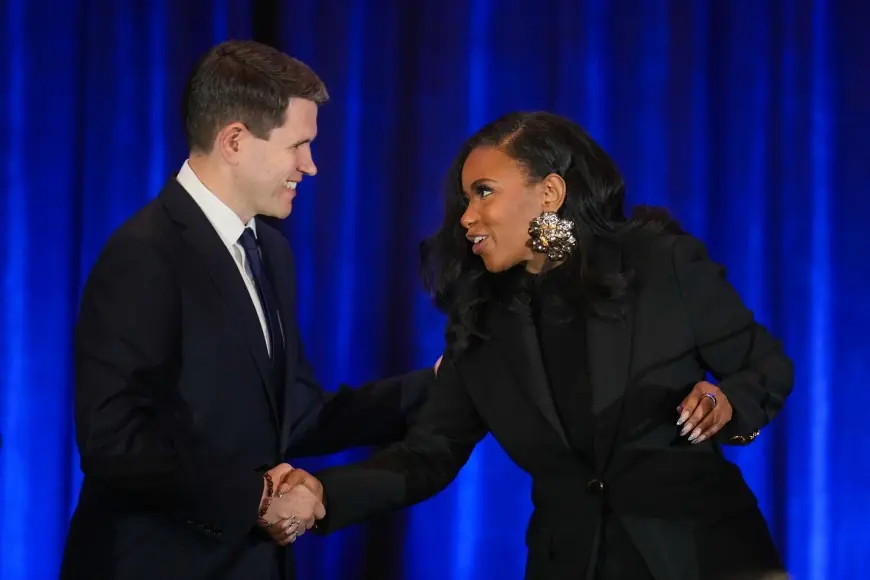
Two of the party’s fastest-rising progressives are headed for a March 3, 2026 (ET) primary that could reshape Democratic ambitions in Texas. U. S. Rep. Jasmine Crockett and state Rep. James Talarico offer broadly similar policy instincts but different styles and electoral calculations as they stake claims to a seat Democrats have not won since 1988.
Policy overlaps and key differences
On the surface, the contest is a study in policy alignment: both candidates champion progressive priorities on economic fairness, immigration enforcement reform and accountability for the former president. But inside that overlap are distinct emphases that could matter to primary voters and general election strategists.
James Talarico has made progressive taxation central to his economic pitch, arguing for higher income and capital gains taxes on the wealthiest to fund programs that would boost opportunity for ordinary families. Crockett’s messaging mirrors that impulse in ambition — she says billionaires and the largest corporations must pay their fair share — but she leans into a confrontational, retail-political style that highlights fights with Republican leaders.
Immigration enforcement is another area where both candidates want change, though their prescriptions diverge. Talarico calls for repealing and replacing the current system with an agency focused on public safety; Crockett labels Immigration and Customs Enforcement a rogue agency and urges comprehensive congressional action to "clean house from top to bottom. " On accountability for the former president, both say there are impeachable offenses and both signaled openness to formal processes.
Beyond policy, Talarico has sought to frame his public life through his Christian faith and his studies for the Presbyterian ministry, a contrast with Crockett’s more combative public persona. That mix of moral framing and legislative ambition is part of his appeal to voters who want both principle and pragmatism.
Coalition dynamics and racial fault lines
The primary’s most volatile factor is the role of Black voters and how narratives about race and electability circulate online. Black voters are pivotal in the statewide Democratic coalition, and recent polling suggests they could determine the nomination. Talarico has struggled to break into the higher levels of Black support that his campaign needs; that shortfall has fueled heightened scrutiny and heated exchanges among activists and influencers.
Controversies over selective sharing of poll numbers and social-media allegations about remarks tied to race have intensified tension. Talarico has called some of the claims a mischaracterization and emphasized that he aims to introduce himself to Black voters across the state to earn their trust. Crockett’s supporters view attacks on her electability as rooted in bias and worry the scrutiny could depress turnout among the base that Democrats need in November.
Those dynamics matter because the eventual nominee will head into a general election where Democrats face a steep climb: no candidate from the party has carried a U. S. Senate race in the state in nearly four decades, and Republicans currently hold a Senate majority that national strategists will not ignore.
What to watch before March 3, 2026 (ET)
In the run-up to the primary, three elements will shape the outcome. First is turnout: which campaign can expand its reach into suburban, Latino and Black communities during early voting and on Primary Day. Second is messaging control — whether clashes stay policy-focused or become mired in online feuds that fracture the party’s base. Third is endorsements and outside influence: endorsements from major Democrats and activity by national influencers could tip momentum, for better or worse.
Both campaigns argue they offer the best path to flipping a long-dormant statewide seat, but their differing approaches to persuasion — Crockett’s combative record and Talarico’s faith-inflected, policy-forward pitch — will test which argument resonates most with primary voters and which will leave the party best positioned to unite for the fall.