
























How to Get to Heaven From Belfast: Lisa McGee’s Female‑Led Mystery Reunites Old Friends

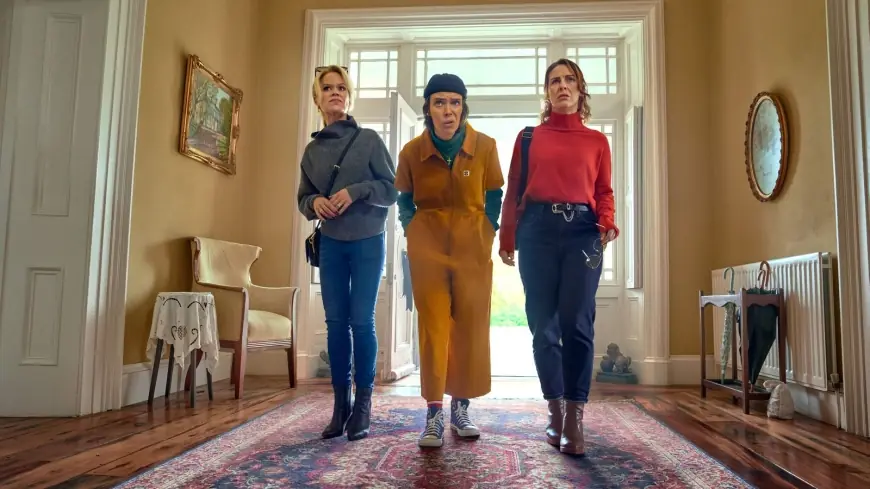
Writer Lisa McGee has returned with a restless, darkly funny murder caper that leans into the warmth and chaos that made her earlier work a hit. How to Get to Heaven From Belfast follows three women who reunite for the funeral of a childhood friend and find that old loyalties and buried secrets refuse to stay buried. Early reaction centers on the series’ energetic plotting, comic timing and muscular performances.
A familiar voice, sharpened for mystery
McGee keeps the buoyant humour of her earlier work but channels it into a very different register: this time the laughter rides alongside suspicion, danger and a decades‑old incident that refuses to go away. McGee has long described her love for classic murder mysteries and the desire to do the form her way — female‑led, messy and alive with humour. That sensibility is visible in the show’s rapid‑fire dialogue, moral complications and refusal to sentimentalize its characters.
McGee’s own upbringing in Northern Ireland informs the series’ texture. She has spoken about staging street plays as a child and about the small, everyday oddities of life under the Troubles — details that shaped her appetite for stories that mix levity with darker threads. That lived perspective helps the series feel both specific and universal: it’s rooted in place while focused squarely on friendship, obligation and the surprising lengths people will go to protect one another.
Three women, one mystery: plot and performances
The plot centers on Dara (Caoilfhionn Dunne), Saoirse (Roisin Gallagher) and Robyn (Sinéad Keenan), old schoolfriends bound by a traumatic night two decades earlier. When their fourth friend, Greta (Natasha O’Keeffe), is reported dead, the women gather and quickly suspect the story they’re being told does not add up. A small but telling clue — the absence of a distinctive tattoo on the corpse that mirrors a symbol from their past — turns a quiet wake into the start of a frantic investigation.
Performances have been singled out for praise, especially the leads who move with ease between riotous humour and simmering unease. The supporting cast amplifies the tension: a local police chief with an unsettling presence and a stern, powerful matriarch add combustible energy to the village setting. The chemistry among the central trio anchors the plot, making the twists feel emotionally grounded as well as narratively satisfying.
Tone, themes and early reception
The show has drawn attention for how it balances levity and seriousness without shortchanging either. It’s a caper in structure but a character piece in heart: friendships, motherhood, and the repercussions of past choices are all examined through the lens of a mystery plot that keeps the viewer guessing. Critics have praised the series’ pacing and inventiveness, and many viewers are noting how McGee’s knack for creating vividly lived communities gives the story its emotional pulse.
For viewers familiar with McGee’s earlier work, the new series feels like an evolution rather than a departure — the same playwright’s ear for dialogue and observational comedy applied to higher stakes. For newcomers, it’s a propulsive, funny, sometimes chilling ride that wears its Northern Irish roots proudly while telling a story about the universal fallout of secrets.
The first season is now available on a major streaming service. For audiences seeking a smart, female‑led mystery that never loses its sense of fun, How to Get to Heaven From Belfast is positioning itself as one of the season’s most talked‑about dramas.