















Fat Tuesday 2026: Parades, pageantry and heightened enforcement as Carnival peaks in New Orleans area

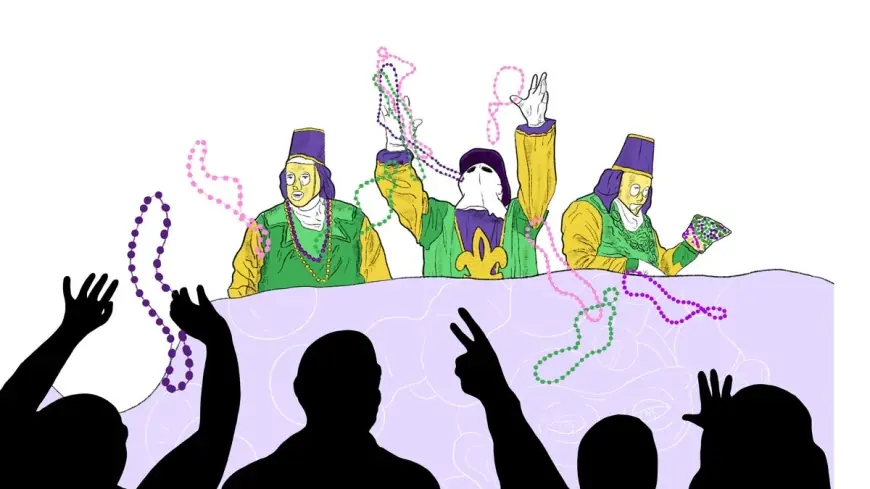
Fat Tuesday 2026 drew thousands to the streets of New Orleans and neighboring parishes on Tuesday, Feb. 17, as major krewes rolled, riverfront traditions played out and officials maintained a visible safety posture. The final day of Carnival featured celebrity riders, long-standing French Quarter rituals, a rare arrest involving an alligator and reminders that dangerous behavior along parade routes will carry consequences.
Uptown and French Quarter highlights
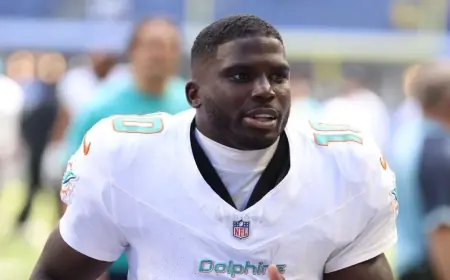
Uptown festivities continued into the final weekend as the Krewe of Bacchus rolled Sunday night ahead of Fat Tuesday. The krewe marked a high-profile moment when a recently inducted Pro Football Hall of Famer rode aboard a custom float; an actor served as Bacchus, the god of wine, for the krewe’s celebrations. In the French Quarter, a musician claimed the 56th annual greasing of the poles competition at a Bourbon Street hotel, a quirky local contest that draws avid onlookers every year.
Parade season in Louisiana blends spectacle with ritual: costuming, marching bands and elaborate floats are omnipresent, while staples like king cake and throws—beads, cups and trinkets—remain central to the experience. Many attendees treat parades as all-day events, staking out prime spots with tents, chairs and coolers and turning routes into temporary neighborhood gatherings. This year’s calendar also overlapped with Lunar New Year, prompting culturally focused krewes to join regional rolls in Metairie and elsewhere.
Safety, enforcement and an unusual arrest
Officials emphasized that city ordinances and public-safety rules would be actively enforced throughout Carnival. Law enforcement removed all riders from Float 32 in one parade after reports that items were thrown aggressively in the direction of federal personnel. City leadership warned that floats can be emptied, and individuals can be removed, cited or arrested if their conduct endangers others or crosses into criminal behavior.
Authorities also made an unusual arrest early in the week after a man was found walking through Bourbon Street crowds carrying a live alligator; he was taken into custody and was also found in possession of a firearm and marijuana. The presence of wildlife and weapons in dense festival crowds raised fresh concerns about public safety and prompted additional reminders to festivalgoers to keep a safe distance from any animals and to follow event rules.
Enforcement activity this season has mirrored a broader push to balance revelry with crowd safety. Organizers and city officials reiterated that reckless or dangerous actions will not be tolerated and that safety measures—including targeted removals and citations—will continue during peak parade days like Fat Tuesday 2026.
Regional celebrations and moments beyond the big parades
While New Orleans remains the focal point of Carnival, parades and traditions across the region kept the spirit alive. On the Northshore, a pause in a Covington parade unexpectedly turned into a proposal along the route of a local krewe, adding a human-interest note to the day’s events. Meanwhile, a majority-Asian krewe prepared to roll alongside another krewe in Metairie, reflecting the holiday’s evolving cultural landscape and the ways local communities fold heritage and celebration together.
For many residents, Mardi Gras—commonly called Fat Tuesday—represents a final burst of indulgence before the start of Lent. From elaborate floats and elaborate throws to intimate neighborhood parades and family gatherings over king cake, the day remains a lively mix of tradition, pageantry and occasional chaos. As the city moves into Ash Wednesday, officials will review safety operations and the public will reflect on another season of music, costumes and crowded streets.