























Gulf states set Ramadan timetables as moon-sighting season opens for Ramadan 2026

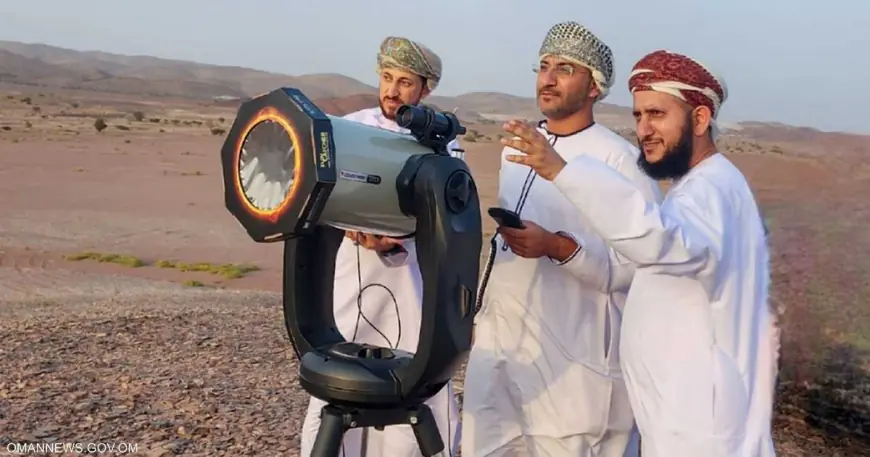
Governments and religious authorities across the region have begun formal moves to fix the start of the holy month, with the highest court in one kingdom calling on citizens to look for the new crescent on the evening of Tuesday, February 17, 2026 ET, while a neighbouring sultanate has already declared Thursday, February 19, 2026 ET will be the first day of fasting.
Saudi High Court schedules Ramadan moon sighting for Feb. 17, 2026 ET
The kingdom's highest judicial body has set the evening of Tuesday, February 17, 2026 ET for the traditional sighting of the Ramadan crescent. The court has asked anyone who observes the new moon with the naked eye or through telescopes to report their testimony to the nearest court or designated centre, and encouraged volunteers with the capacity to take part in official sighting committees to join the effort.
Officials framed the appeal in religious and civic terms, urging participation as an act of communal cooperation and piety, and instructing that testimonies be recorded and forwarded to the appropriate authorities for verification. The call reinforces long-standing practices that blend local moon-sighting traditions with institutional processes that determine the official start of the month.
Oman announces Ramadan will begin on Thursday, Feb. 19, 2026 ET
In a separate move, the main lunar-sighting committee of a neighbouring sultanate announced that Wednesday, February 18, 2026 ET will be the completion of Sha'ban and that Thursday, February 19, 2026 ET will mark the first day of Ramadan. The committee said astronomical calculations show the new moon will set on Tuesday, February 17, 2026 ET before or with sunset across the country, making visual sighting impossible that evening and validating a pre-declared start.
That decision included guidance on expected fasting hours: with Ramadan falling at the transition from winter to spring in the northern hemisphere, average daily fasting durations across the region are projected to be moderate—roughly 12 to 14 hours—though local differences will apply. Meteorological and astronomical conditions mean day length will increase gradually during the month, adding roughly 30 minutes between the opening and closing days of Ramadan in many locations.
Regional coordination, official statements and a focus on verified sighting
Religious authorities in several countries have urged communities to avoid relying on informal forecasts, social posts or individual predictions when it comes to determining the start of Ramadan. One national religious office warned that formal proclamation of the month will follow a careful process of legal and observational checks and said the grand mufti will announce any official decision after evening prayers.
The coming days will test how different approaches—reliance on local visual sightings, pre-declared calendar rulings based on astronomical calculations, or hybrid models—play out across the region. Some governments and religious bodies will act on calculated impossibility of sighting to set dates in advance, while others will await verified visual reports and formal judicial or religious confirmation after sunset.
Communities planning iftar events, worship schedules and public services are being advised to stay tuned to local official announcements. For many residents across the northern hemisphere, Ramadan 2026 is expected to bring comparatively moderate fasting lengths and a steady, incremental increase in daylight during the month.
As preparations proceed, authorities continue to emphasize orderly reporting of sightings and participation in official committees to ensure a unified start to the month where possible, and to preserve the combination of religious tradition and institutional oversight that guides the region's calendar decisions for Ramadan 2026.