

























Did you know the true meaning of 'Kung Hei Fat Choi'?

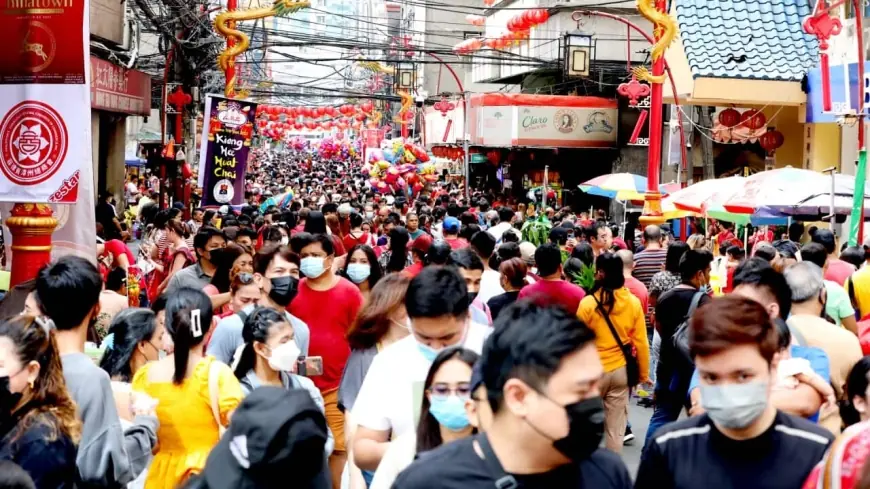
Every Lunar New Year, streets, temples and family gatherings fill with the familiar call and reply of "Kung Hei Fat Choi. " More than a seasonal catchphrase, this Cantonese greeting carries cultural weight, linguistic roots and a set of traditions that stretch well beyond the phrase's literal translation. Here’s what it really means and how people use it during the New Year season.
Literal meaning and cultural context
"Kung Hei Fat Choi" stems from the Chinese characters 恭喜發財. The first two characters convey a sense of respectful congratulations — a polite wish for joy and good fortune. The final two characters speak to financial prosperity and the hope of increased wealth. Put together, the phrase is best understood as a wish for respectful congratulations and a prosperous year.
In practice, the greeting functions as a compact blessing: people exchange it to wish friends, family and strangers happiness, success and material well-being in the coming year. While the emphasis on wealth can seem blunt to some listeners, the sentiment is broader in community use, often implying overall good fortune, health and success rather than purely monetary gain.
Regional language differences mean the same idea appears in other pronunciations across Chinese-speaking communities. The Mandarin pronunciation is commonly heard, and various dialects offer their own phonetic versions. All share the same intent: a communal wish for better luck and prosperity in the year ahead.
When to use it and customary responses
The greeting is most widely used from New Year's Eve through the early weeks of the lunar new year, a period when families reunite, businesses send well-wishes and street festivities unfold. It is appropriate in both formal and informal contexts — from visiting relatives to passing neighbors in a decorated street.
Common etiquette is simple: offer the greeting with warmth and, when appropriate, pair it with traditional gestures like handing over a red envelope, offering a light bow of the head, or exchanging other New Year blessings. A polite response is usually a reciprocal wish for the same fortunes; in casual settings, a simple "and you" or the local equivalent suffices.
There are a few small cultural notes that help the phrase land respectfully. Avoid pairing celebratory greetings with negative topics such as illness or death during New Year visits. When giving or receiving red envelopes, present them with both hands as a sign of respect; this ceremonial exchange often accompanies verbal blessings like "Kung Hei Fat Choi. "
Common misconceptions and how celebrations reflect the phrase
One frequent misconception is that the phrase purely values money. While the latter half of the phrase explicitly references wealth, community usage has broadened the meaning to encompass success, flourishing health and general good luck. Saying the greeting signals solidarity and hope for shared prosperity rather than a narrow focus on materialism.
Lunar New Year celebrations — from temple rituals and bell-ringing to dragon and lion dances — often dramatize the hopes embedded in the phrase. Parades, incense offerings and bustling markets create an environment where wishes for prosperity feel collective and performative. In diasporic communities around the world, Chinatown celebrations and family gatherings turn the greeting into a unifying ritual, a way to pass tradition between generations.
At its heart, "Kung Hei Fat Choi" is a concise cultural bridge: three words that carry respect, encouragement and the shared desire for a better year. Whether you hear it in a packed temple corridor, at a neighborhood street fair or around a family dinner table, the phrase remains a core expression of Lunar New Year optimism.