
























Lunar New Year 2026: Year of the Fire Horse ushers in fireworks, rituals and shifting traditions

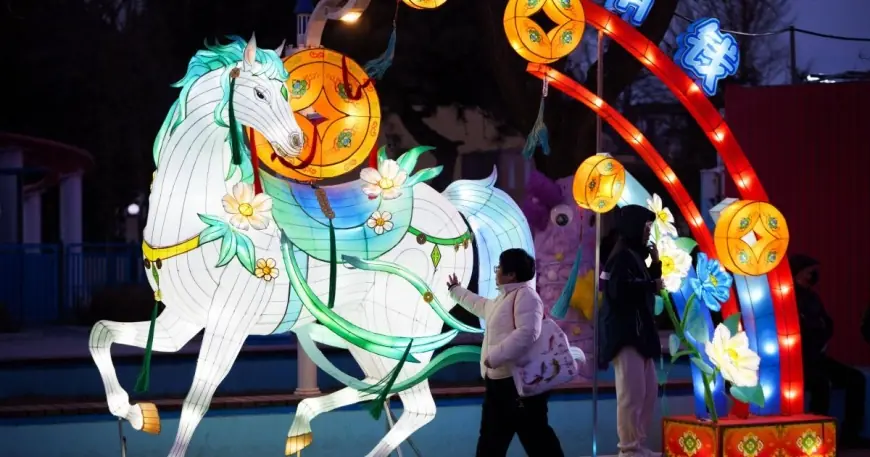
The Year of the Fire Horse has arrived, marked by 15 days of festivities across East and Southeast Asia and beyond. Celebrations ranged from crowded temple ceremonies and soaring fireworks to quieter family reunions and newfangled spectacles on prime-time variety shows. Food, fashion and novelty toys were all part of the mix as communities balanced ritual, renewal and changing habits.
Rituals, reunions and festive fare across the region
The lunar festival, which falls in the window between January 21 and February 20 (ET) each year, remains a time for family, food and symbolic acts intended to bring luck for the year ahead. In Vietnam, Tet continues to be the most important holiday on the calendar: cities empty as migrant workers and students return home, homes are prepared for ancestral rites, and public events focus on reunion and renewal. Traditional dress has become more visible, and urban lifestyles have made dining out and travel during the holiday more common than in past generations.
Food traditions varied by country. In Malaysia and Singapore the raw fish salad yusheng is a collective meal: diners toss the ingredients together with chopsticks to usher in prosperity. In South Korea, giving tins of luncheon meat has become a familiar New Year gift, while some households are rethinking elaborate ancestral tables. A recent trend sees a majority opting for simpler memorial practices rather than the full charye setup, reflecting shifts in family size, urban living and personal preference.
Pageantry, technology and unexpected viral moments
Public spectacles and modern flair were on display as cities lit bridges and skyscrapers with light shows and fireworks. Dragon and lion dances filled streets from Southeast Asian capitals to Chinatowns around the world. Temple ceremonies also drew large crowds: incense-strewn courtyards, bowed heads and offerings were visible at shrines where worshippers made wishes for the year ahead. In one capital, a temple bell tolled 108 times in a solemn morning ritual, a number seen as auspicious in many traditions.
Televised gala performances blended heritage and high tech. Humanoid robots shared the stage with child performers in choreographed martial-arts sequences, a demonstration of how modern entertainment is incorporating robotics into cultural showcases. Meanwhile, a whimsical retail trend captured public imagination: a plush horse with a downturned mouth—created by mistake when a smile was sewn upside down—flew off shelves after images circulated online. Many buyers said the sulky expression reflected contemporary workplace frustrations, turning a factory error into a cultural talking point.
Changing customs and global reach
While firecrackers, lanterns and family dinners defined many celebrations, the festival’s global footprint was clear. Communities in cities far from the region gathered for dragon dances, martial-arts displays and pop concerts; outdoor countdown events and multiple fireworks shows drew crowds who clapped in time to live pop music. In some places, celebrations coincided with broader diplomatic and cultural exchanges, highlighting how the lunar holiday functions as both a personal observance and a public festival.
Not all change is ceremonial. In some countries authorities have taken a stricter line on online content during the holiday period, targeting posts seen as contrary to mainstream social messaging, including those expressing a preference for childfree living. At the same time, many families are simplifying rituals, and businesses are shaping new seasonal products that reflect modern tastes and work-life realities.
The Year of the Fire Horse brought familiar sounds and scenes—drums, incense, lantern-lit streets—while also underscoring the festival’s adaptability. From traditional temple rites to robot-enhanced stage shows and oddball bestsellers, this Lunar New Year revealed how centuries-old customs continue to evolve in an age of fast-changing culture.