

























isabeau levito and the 'Blade Angels' Are Redefining U.S. Women's Figure Skating

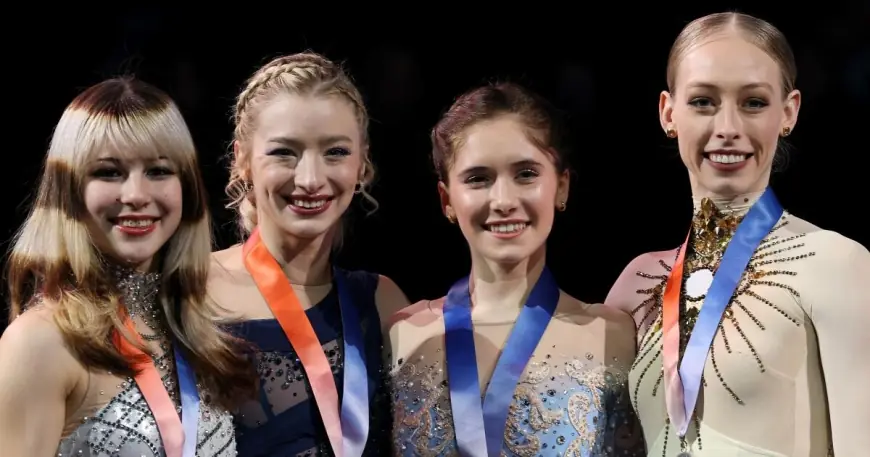
At the Olympic ice in Milan, isabeau levito is part of a trio changing expectations of what U. S. women’s figure skaters look and skate like. Blending classical lines, technical ambition and personal style, Levito, Alysa Liu and Amber Glenn have become emblematic of a broader shift away from a singular “ice princess” mold toward a more varied and resilient American approach.
A new image on the ice
The three skaters project different strengths. Levito brings balletic precision and expressive nuance refined through international competition. Liu pairs explosive jumping power with an alternative aesthetic — a fusion of edgy fashion choices and competitive ferocity. Glenn contributes raw athleticism, including a triple axel, and a candidness shaped by personal struggles that has resonated with fans and fellow skaters.
Together they reject a one-size-fits-all ideal. Levito has said she values the differences among them, noting that each skater has distinct personality, presentation and priorities while sharing a common passion for the sport. That blend of individuality and unity has struck a chord in an athletic community increasingly focused on athlete well-being and creative expression.
Pressure, personality and podium prospects
All three arrive at the Games with notable credentials: world medals, national titles and a recent team gold that highlighted American depth. The successes and setbacks that have preceded this moment — including disappointments in other high-profile U. S. events and controversies in judging elsewhere on the skating program — have only sharpened focus on whether this group can end a long Olympic medal drought in individual women’s singles for the United States.
For Levito, the challenge has been balancing the small, everyday tasks of life on the road with the weight of expectation. Even between on-ice sessions and media obligations, she has kept attention on mundane matters that keep an athlete grounded. That composure is part of what teammates point to when discussing how the group navigates extended competition schedules and the mental toll of high-pressure environments.
Glenn has been open about overcoming depression and an eating disorder earlier in her career, and she has voiced support for rules intended to protect young athletes from excessive pressure. Liu, the reigning world champion, has already altered perceptions about who can succeed in the sport through both her results and her look. Their collective resilience was evident in the team event victory, but the individual competitions loom as a test of stamina, focus and nerves.
Team chemistry and a nickname with attitude
The trio worked together to brand themselves, trying out nicknames before landing on one that captures both edge and camaraderie: the "Blade Angels. " The name plays on pop-culture references while letting each skater keep her own image. They experimented with other, more whimsical monikers but ultimately chose a label that connotes power, precision and a modern female collective.
The nickname matters less than the dynamic it represents. Teammates celebrate each other’s success and stress a shared goal of performing their best, regardless of internal competition for podium spots. That mutual support is part of a conscious cultural shift within the U. S. program — one that prizes mental health, personal authenticity and a wider range of styles on the ice.
As the women's short program approaches, attention will center on how Levito’s elegance, Liu’s risk-taking and Glenn’s athleticism translate under Olympic pressure. Beyond medals, their presence signals a changed landscape in American women's skating: more varied, less constrained and increasingly reflective of the athletes themselves.