






















Tyra Banks Draws Fresh Scrutiny in 'Reality Check' Documentary on America's Next Top Model

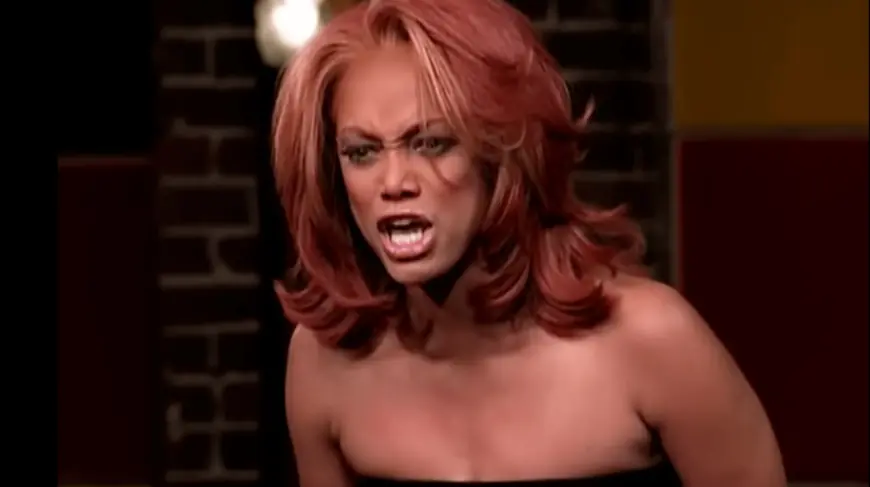
A new three-part documentary revisits the heyday of America's Next Top Model and casts a harsh light on the show's practices and on Tyra Banks' role in shaping them. With extensive interviews from former contestants and key creative figures, the series assembles a catalogue of episodes that many viewers now find humiliating and harmful.
Unprecedented access, uncomfortable revelations
The documentary secures wide-ranging testimony from both on-camera talent and people behind the scenes. Former judges, photographers and producers sit for interviews alongside dozens of past contestants, creating a layered account of how the show was made and how it felt to be inside it. What emerges are recurring themes: models being weighed on camera, public criticism of bodies, staged challenges that blurred the line between critique and humiliation, and photoshoots built around provocative, often tasteless concepts.
Former contestants describe incidents that linger decades later. One woman recalls being mocked with a comment about a "wide ass" even after she was touted as a success story; another was pushed to alter a distinctive dental gap or face elimination. A contestant recounted being asked to pose in a shoot that evoked a bullet wound in her head, a decision that reopened a real family trauma. Creators and producers at times call specific choices mistakes, while others voice little remorse, underscoring a disconnect between personal defense and the harm described by participants.
Defences, deflections and the limits of reform
Key figures who helped craft the series' visual identity and voice provide their perspectives, and those interviews complicate the narrative. One executive describes a controversial shoot as a misstep and a "celebration of violence, " while the show's host often frames her work as an effort to diversify and democratize fashion. Yet the testimony captured in the film suggests the program frequently reinforced narrow beauty standards and pressured contestants from disadvantaged backgrounds to view the show as an escape hatch that seldom materialized.
At times the documentary highlights contradictions: a stated aim to broaden representation sits uneasily next to repeated examples of fat-shaming and wardrobe decisions that excluded larger sizes. Several participants describe being manipulated or pressured into creative choices that caused real distress. Those behind the show sometimes acknowledge flaws, but the film also shows how production decisions and on-air moments were rationalized or minimized when contestants objected.
Impact on Tyra Banks' reputation and the show's legacy
The overall portrait leaves the series' central figure in an awkward position. The host's contributions to popular culture — from coined catchphrases to shaping a generation's view of modeling — are difficult to disentangle from the practices now labeled harmful. In this documentary, she appears defensive at times and reluctant to answer specific production questions at others, which viewers interpret as evasive rather than explanatory.
Critics of the documentary point out that its three-hour length and brisk, modern editing style undercut some of its strongest material, compressing nuance into soundbites. Still, the accumulation of firsthand accounts is striking: many contestants say they protested or were visibly distressed at the time, yet felt pressured to carry on. The film reframes familiar moments as more than nostalgic television; it presents them as episodes with measurable emotional cost for participants.
Whether the documentary will prompt broader institutional reckoning or mainly serve as cultural reappraisal remains to be seen. For now, it has reopened scrutiny of a once-ubiquitous show and placed renewed focus on tyra banks' legacy — both the cultural touchstones she created and the painful consequences contestants now describe. The debate it has sparked underscores the ways entertainment can shape identities and the urgent need for clearer boundaries between challenge and harm in reality formats.